Blogs
.jpg)
Memorable Moments, Timeless Spirits: Experience the Old Lighthouse Bristow Hotel
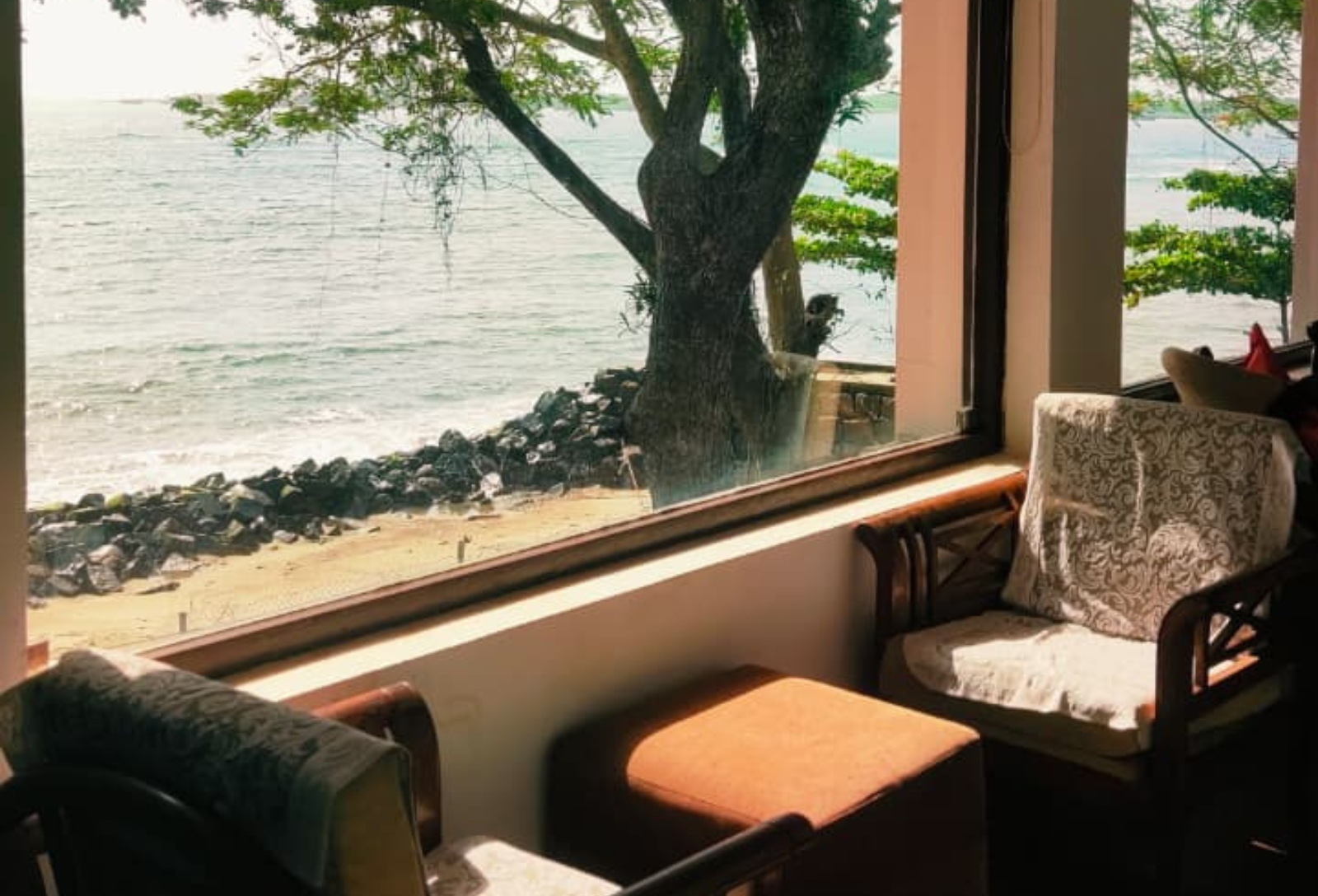
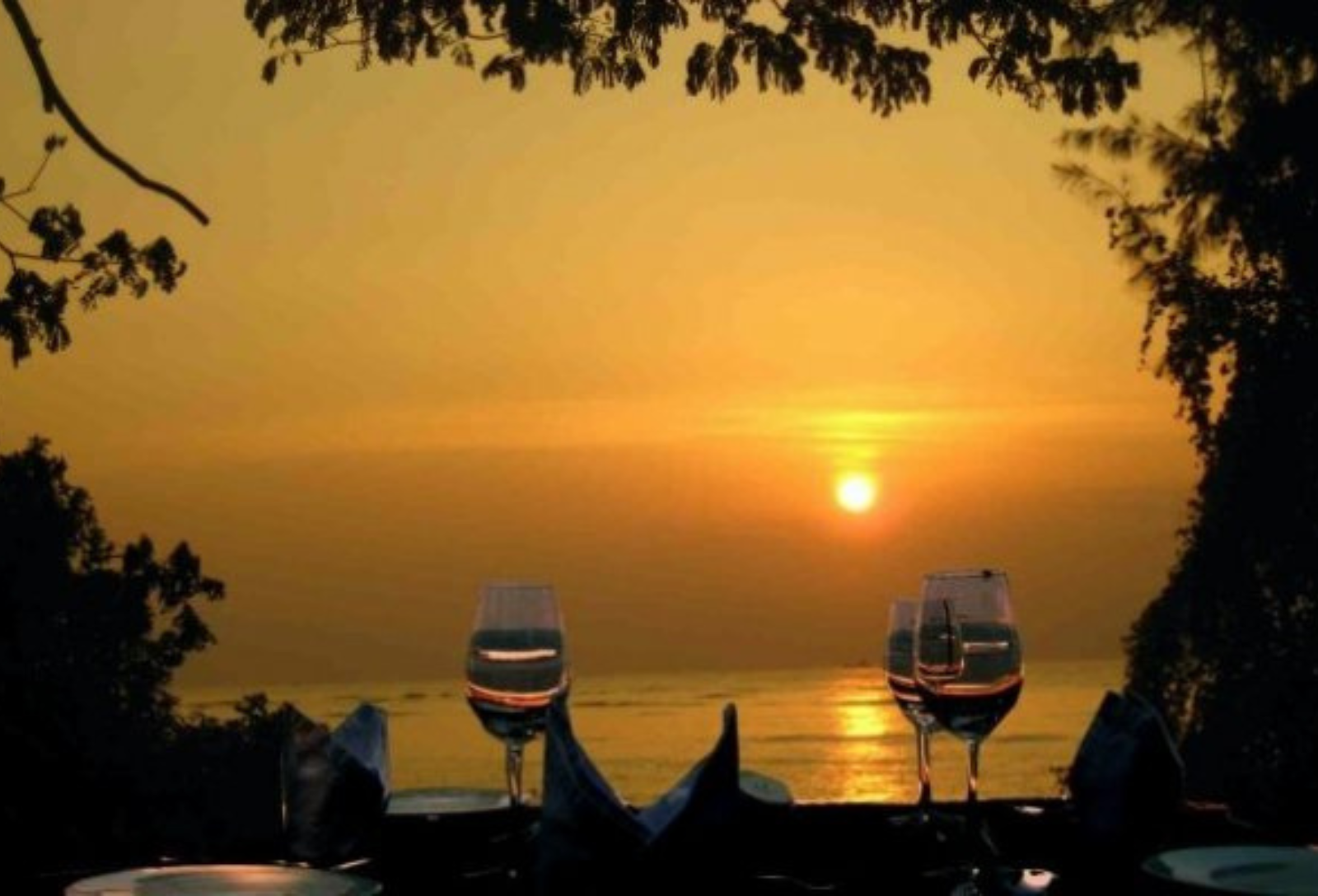
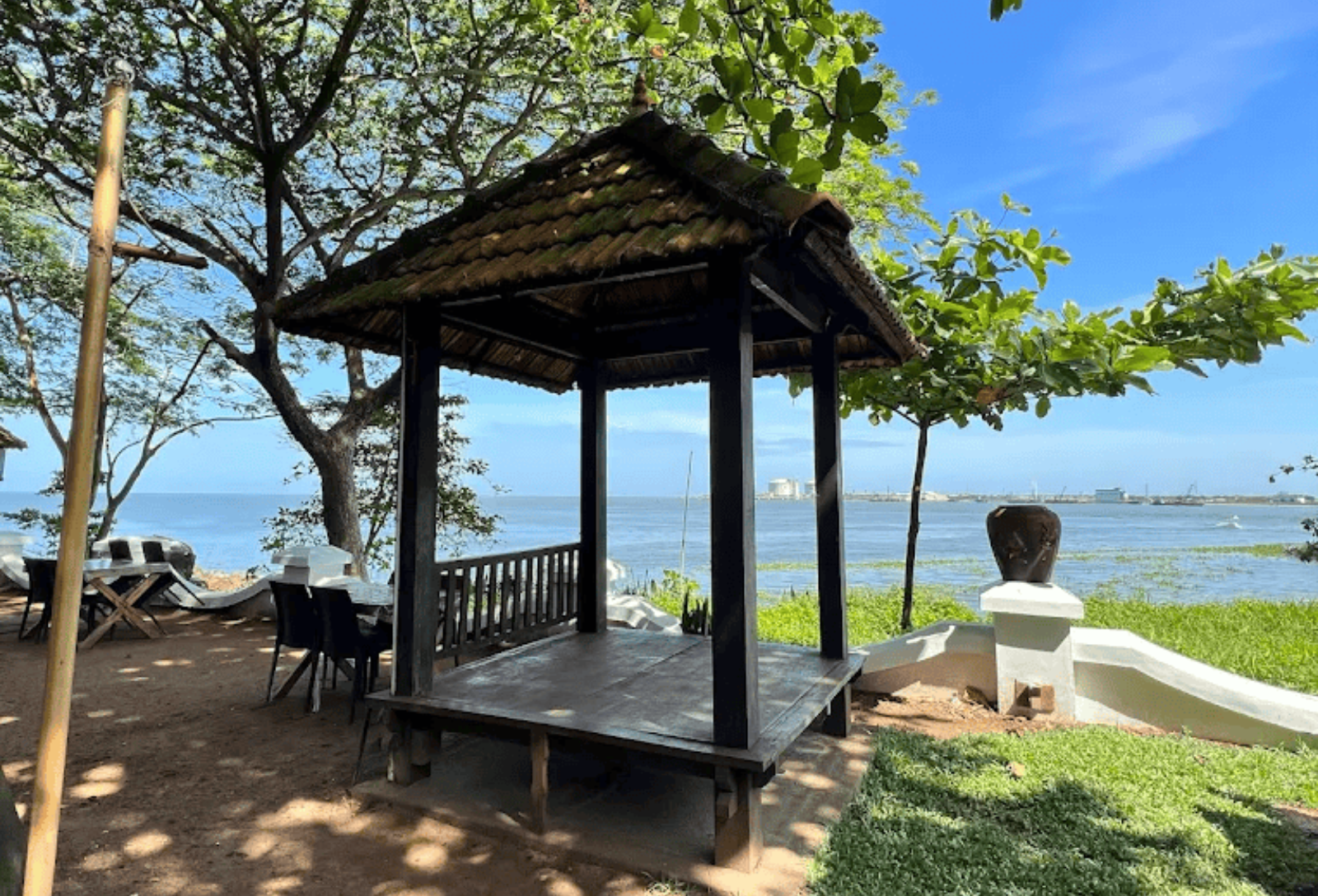
It is a warm yet cold evening. The sun prepares to set for the day. You have comfortably settled into the sea-facing restaurant at the Old Lighthouse Bristow Hotel in Fort Kochi, with your partner by your side. You gaze joyfully at the mesmerizing sun as it paints the sky with bright golden rays. Would you care for a chilled glass of your preferred beer? Or perhaps a glass of your favourite spirit? Maybe even a fine wine to celebrate your love? Perfect.
This is not a cinematic scene, but a depiction of the experience awaiting you at the Old Lighthouse Bristow Hotel in Fort Kochi. We are one of the finest restaurants serving beer and wine in Fort Kochi. Now, let us explore how the liquor culture in Fort Kochi has evolved throughout history.
Pre-Colonial Era
Fort Kochi’s liquor culture is rooted in Kerala’s ancient tradition of palm wine (toddy) and its distilled spirit, arrack. Toddy (Malayalam kallu, or neera when fresh) is made by tapping coconut palms. Early each morning, thousands of tappers climb the trees, slice the budding flower stalks, and collect the sweet sap in earthen pots. Within a few hours, the sap ferments (wild yeasts present on the bark initiate the process), producing a mildly alcoholic drink (about 4–6% alcohol) by late afternoon. This fresh toddy is consumed immediately, often directly at toddy shops, and rustic taverns where local foods are served.
Portuguese Period (1503–1663)
The Portuguese arrived in Kochi in 1503 and built Fort Manuel on Vypeen Island, introducing Catholicism and European customs. They brought wine and brandy. Local Christian converts, especially Syrian Christians allied with the Portuguese and gained access to Western liquors, while most Hindus remained rooted in toddy and arrack.
Dutch Period (1663–1795)
In 1663, the Dutch East India Company seized Fort Kochi from the Portuguese. Under Dutch rule, Kochi remained a hub of the spice trade, but daily life for locals changed little in terms of alcohol. The Dutch, being Protestant, took over many churches, yet they generally continued the Portuguese approach of importing European liquor for their sailors and officials. Kerala’s toddy and arrack production continued in parallel: the Dutch VOC itself later developed large arrack plantations in Batavia (Jakarta) to export to Europe, but they also tolerated the local Kerala industry. (Kochi’s coastal taverns likely served rum and arrack imported by Dutch ships, as well as local brews.)
British Period (1795–1947)
By 1795, Dutch influence waned and the British assumed control of Malabar, becoming suzerains over the princely Cochin state, including Fort Kochi. British colonial rule brought systematic liquor regulation. In the early 1800s, the East India Company enforced the Madras Abkari Act, licensing distilleries and liquor shops. Alcohol sales quickly became a crucial revenue source: within decades, liquor taxes rose from about 2% of Madras Presidency revenues (in 1874) to over 25% by the 1920s. Crucially, the British imposed heavy duties on toddy, which drove consumption toward stronger arrack and country spirits.
A Doorway to a Haven
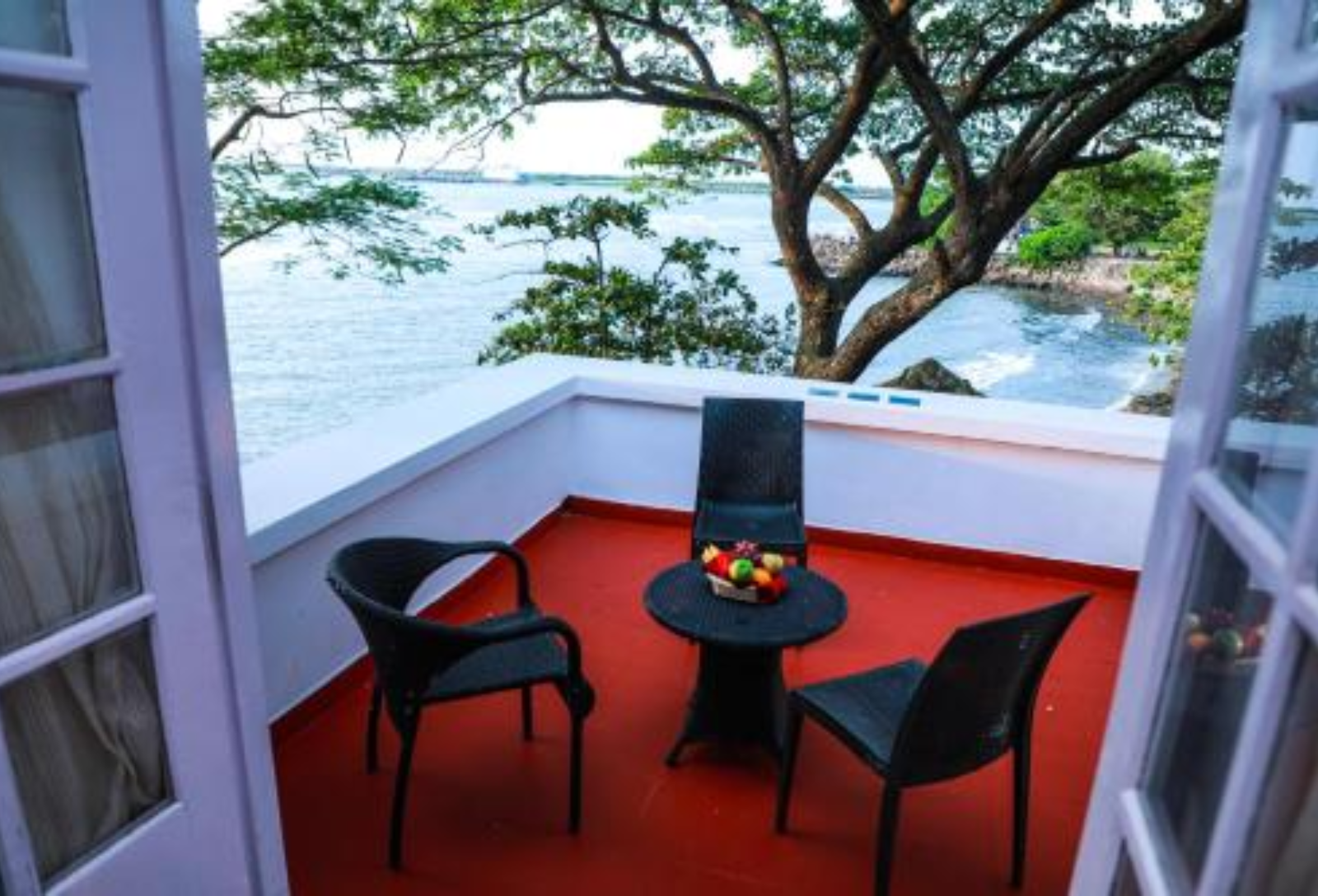
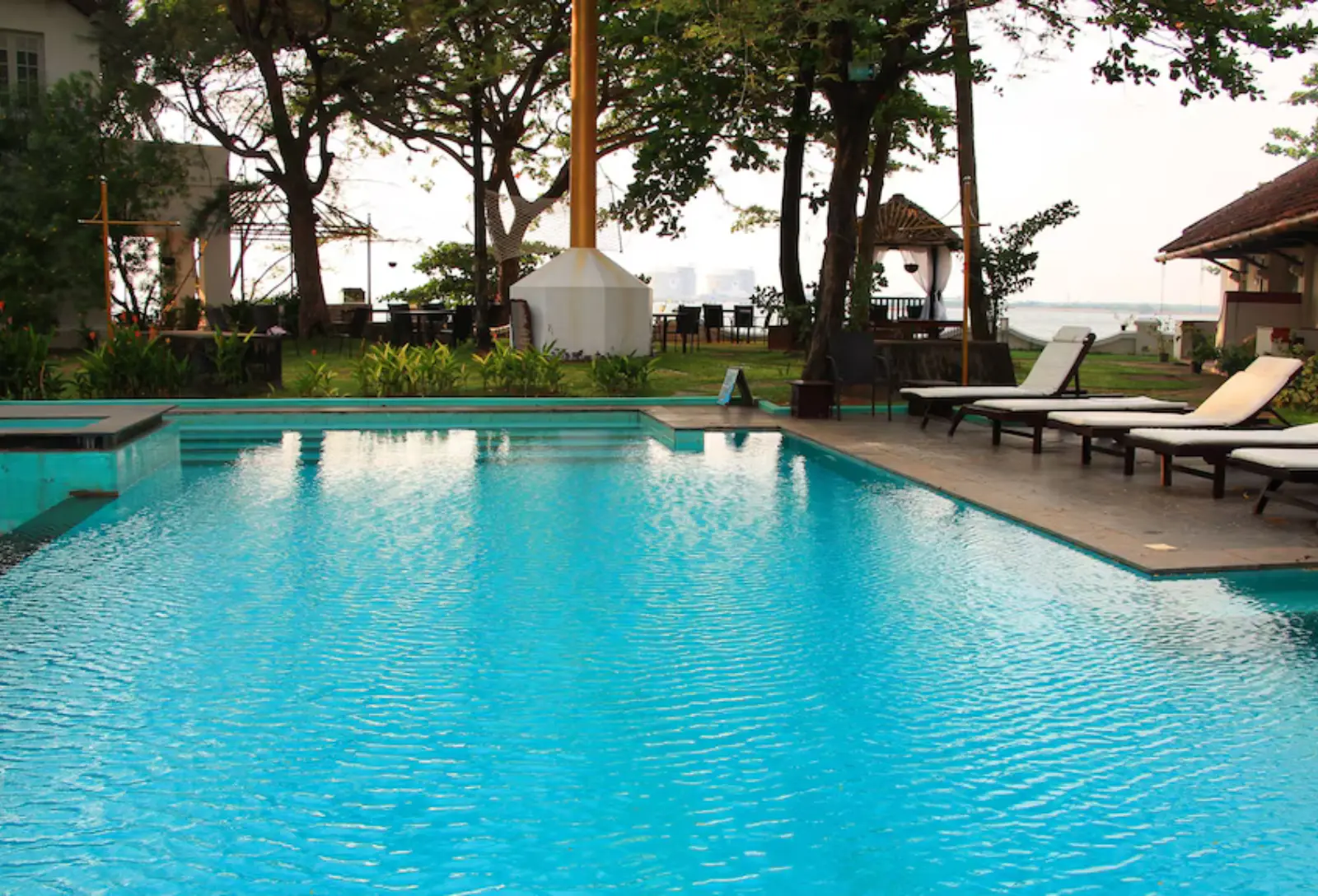
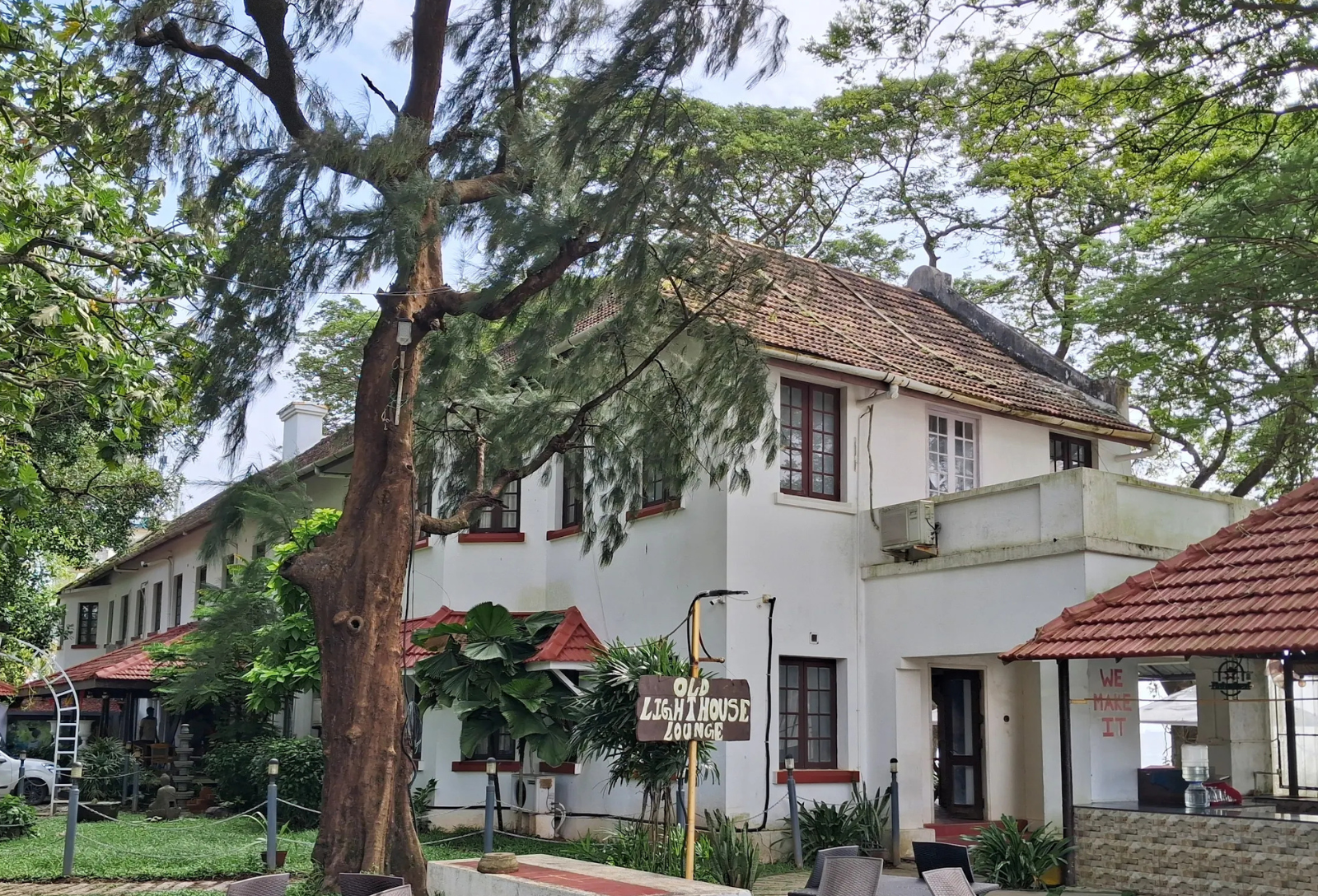
The Old Lighthouse Bristow Hotel in Fort Kochi stands out as one of the finest bars and restaurants in Kochi to enjoy your favourite drink while taking in a stunning sunset view. With its timeless vintage interiors and elegant furnishings, the Old Lighthouse offers a haven of tranquillity amid the bustle of modern life.
Whether you are a romantic couple seeking a place in Fort Kochi to cosy up with your favourite drink and engage in heartfelt conversation, or a travel enthusiast savouring life with a pint of beer, we have it all covered.
Come visit us and create memorable moments in Fort Kochi.
Latest Posts
 (1).jpg)
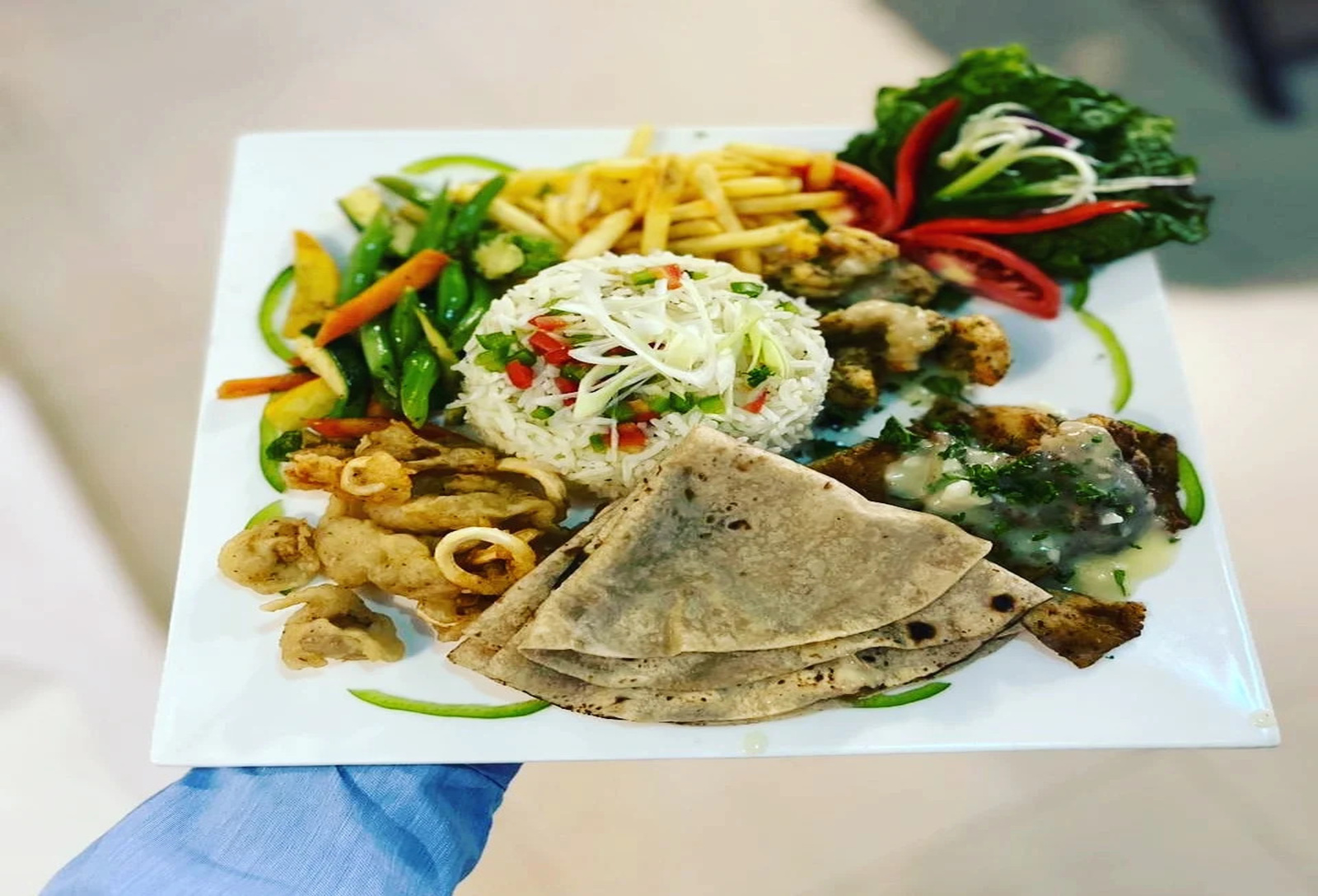
Must-Try Seafood Dishes in Fort Kochi
28 Sep 2026
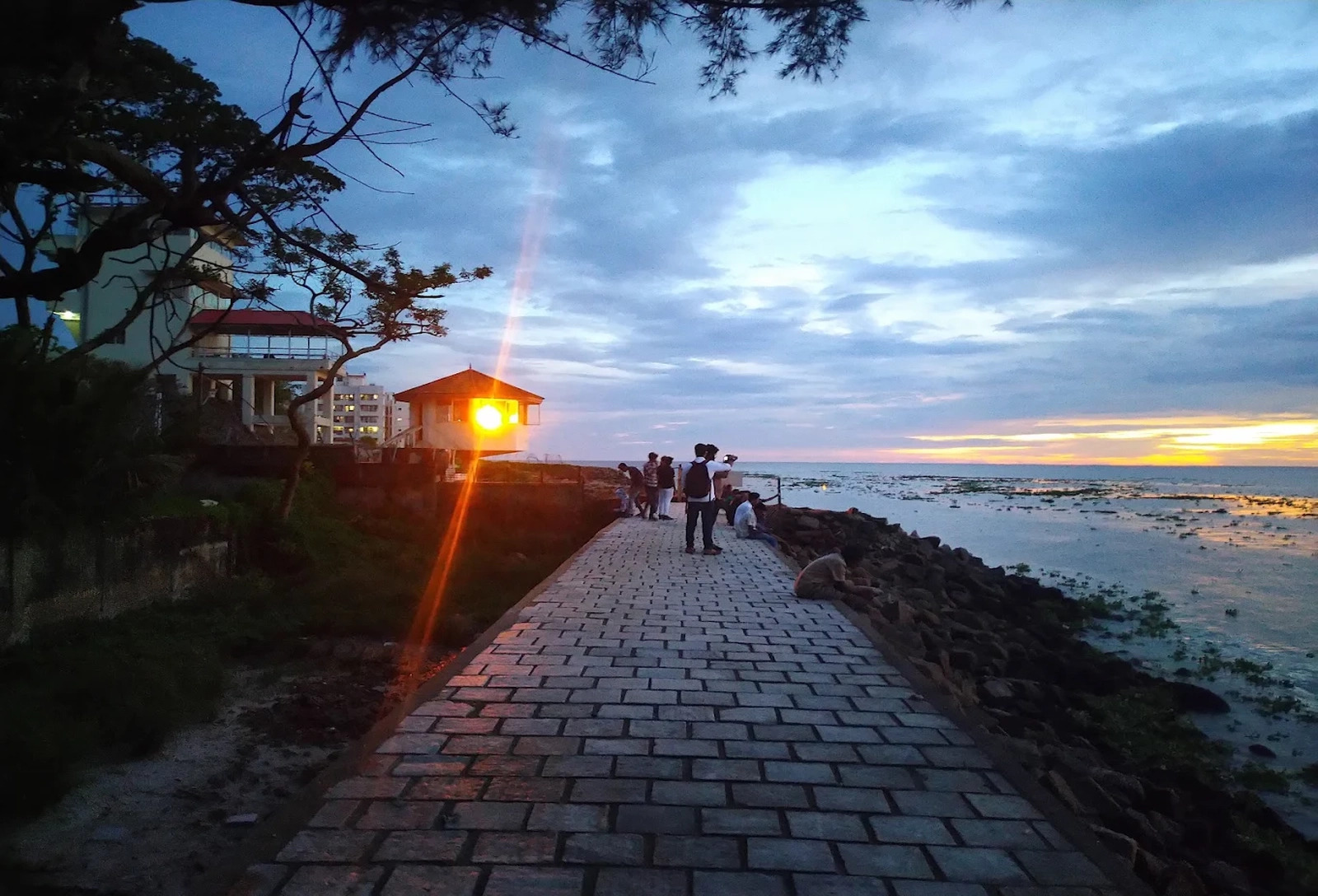
How to Spend a Perfect Weekend in Fort Kochi
09 Sep 2026
.png)
.webp)
.png)
.png)
.png)
.jpg)
.png)

.jpg)
.webp)
.jpg)
.webp)
 (1).jpg)



.jpg)
.jpg)
.jpg)
.png)

.jpg)

.jpg)
.jpg)


.png)
Coastal Escapes: Exploring Kochi’s Best Beaches
29 May 2025.jpg)
.jpg)
.jpg)
.jpg)

.jpg)
.jpg)
.jpg)

.jpg)
.jpg)
.jpg)
Shopping in Ernakulam: A Shopaholic's paradise
07 Mar 2025
.jpg)


The Backwaters and Charm of Kochi
27 Feb 2025.jpg)


.jpeg)
 (1) (2).jpg)

