Blogs
.jpg)
Fort Kochi, Queen of the Arabian Sea – A Trade Odyssey: Discover with The Old Lighthouse
As you plan your getaway or eagerly await your arrival at the Old Lighthouse Bristow Hotel in Fort Kochi, let’s take a journey into history to see how this charming seaside town became a pivotal hub in global trade.
Queen of the Arabian Sea – A Legacy of Trade
Fort Kochi earned its timeless title, “Queen of the Arabian Sea,” as one of the most important maritime hubs in the Indian Ocean. For centuries, merchant ships from Europe, Arabia, and Asia crossed oceans to anchor here, exchanging spices, silk, and stories. The city was not just a port; it was a bridge between continents. Black pepper from Kerala reached imperial courts, Arabian horses arrived for Indian rulers, and fine fabrics travelled east and west. This legacy of wealth, culture, and cosmopolitanism shaped Fort Kochi into a melting pot that still carries echoes of its glorious maritime past.
Spice Routes and Sailing Ships – The Beginning of Global Connections
The lure of Kerala’s spices, especially pepper, drew sailors and merchants from distant lands, setting the stage for one of history’s greatest trading odysseys. The ancient spice routes that converged at Fort Kochi built lasting connections between East and West. Portuguese caravels, Arab dhows, and Chinese junks once dotted Kochi’s harbour, each ship carrying tales of adventure and greed. These sailing vessels transformed the Arabian Sea into a corridor of global exchange. From cinnamon and cardamom to ginger and clove, spices from Kochi-flavoured kitchens worldwide, while also igniting quests of conquest that forever altered the region’s destiny.
Fort Kochi’s Multicultural Tapestry – Portuguese, Dutch, and British Influences
Few places in India embody layered multiculturalism as vividly as Fort Kochi. The Portuguese arrival in 1500s brought forts, churches, and Catholic traditions. Later, the Dutch took over, leaving behind ornate homes and civic structures. Eventually, the British reshaped trade, governance, and education, cementing Kochi as a vital colonial outpost. Walking through Fort Kochi today is like turning the pages of history. Portuguese Santa Cruz Basilica, Dutch cemeteries, and British-era bungalows stand side by side. This fusion of cultures not only shaped architecture but also trade habits, social customs, and cuisine, giving Kochi an identity both global and distinctly Keralite.
Echoes of Prosperity – From Pepper to Silk and Beyond
Trade in Fort Kochi was never limited to pepper, though it was the black gold of its time. From cardamom, cinnamon, and ginger to silks, ivory, and precious stones, the region’s riches drew wave after wave of merchant fleets. In return, Kochi’s markets welcomed fine textiles, ceramics, metals, and even ideas that influenced local traditions. The prosperity birthed thriving communities. Jews, Arabs, Chinese, Portuguese, and later Europeans all left enduring marks. The city’s economic golden era resonates even today in old trading houses, warehouses, and spice markets, where rich aromas still carry whispers of Fort Kochi’s storied prosperity.
A Living Heritage – Blending Tradition with Modern Fort Kochi
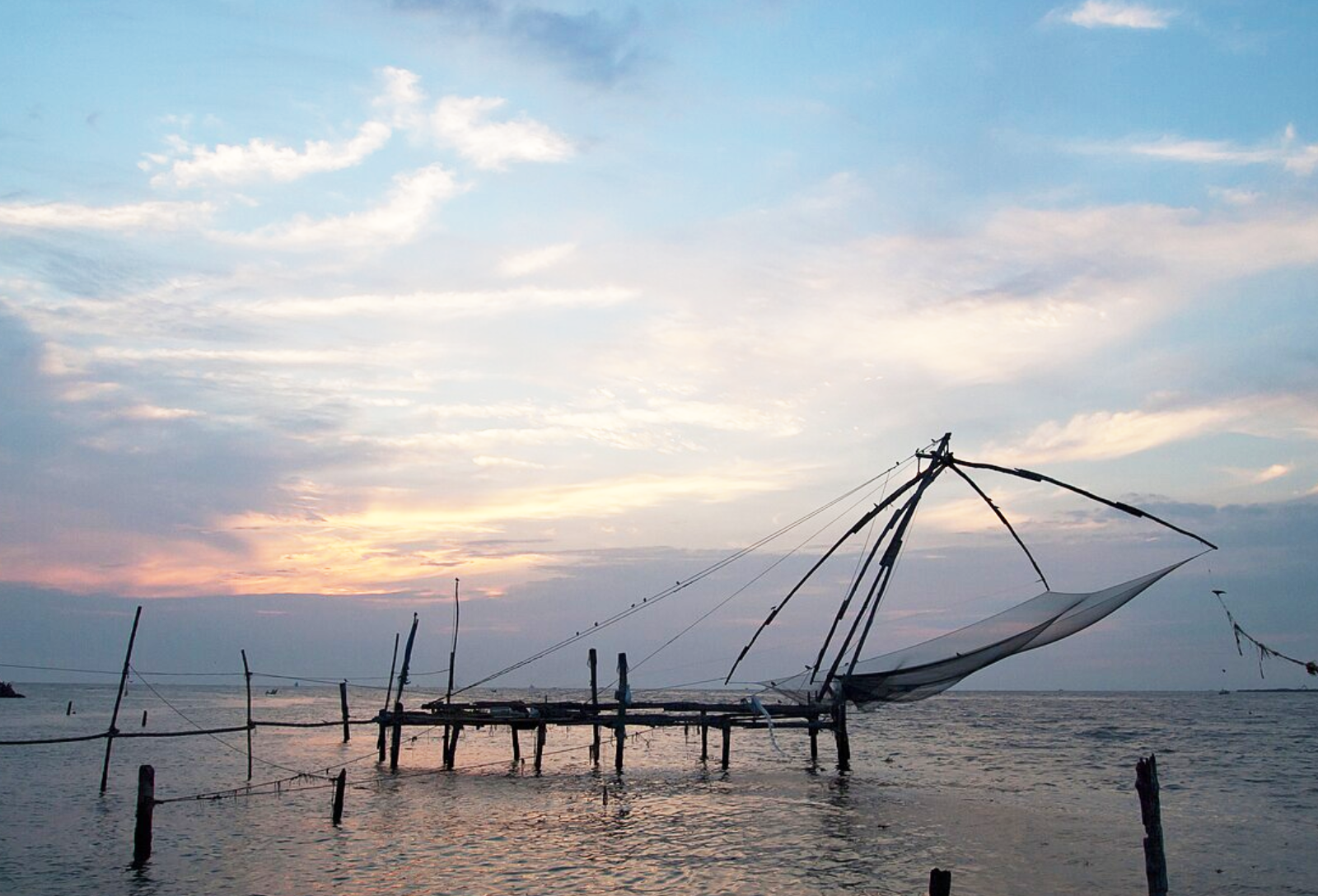
Fort Kochi’s past is not a relic. It thrives in the present, woven into daily life. Spice markets still bustle with trade, heritage homestays open their doors to travellers, and culinary traditions tell centuries-old stories. Yet, Kochi embraces modern art, boutique cafés, and international festivals like the Kochi-Muziris Biennale, making it boldly contemporary. Fishermen still lower Chinese fishing nets against fiery sunsets, while global tourists mingle with local artisans in colonial streets. This blend of heritage and modernity makes Fort Kochi a place where history breathes, and culture evolves, ensuring its trade odyssey continues in new, vibrant forms today.
Discover with The Old Lighthouse – A Journey into History and Hospitality
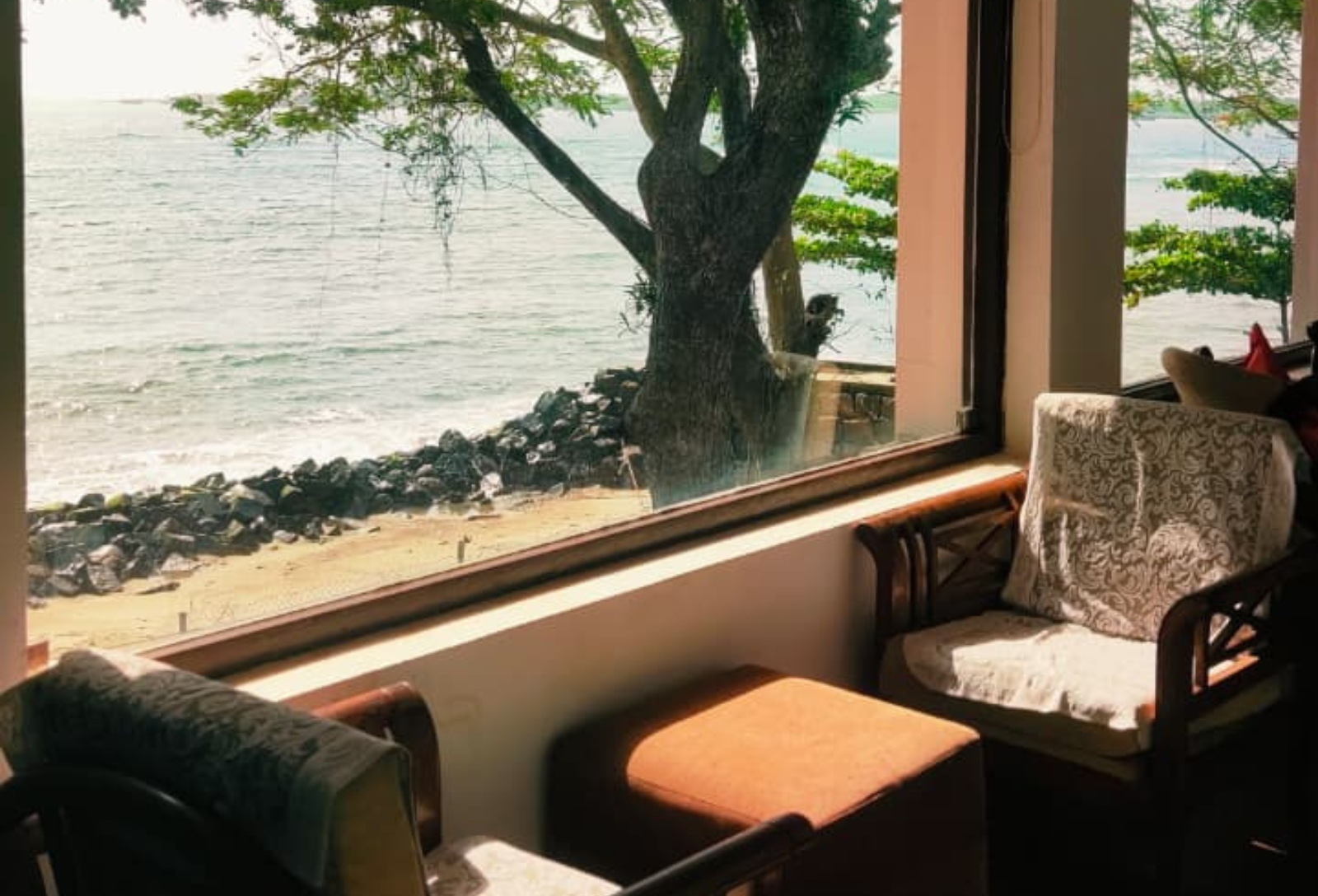
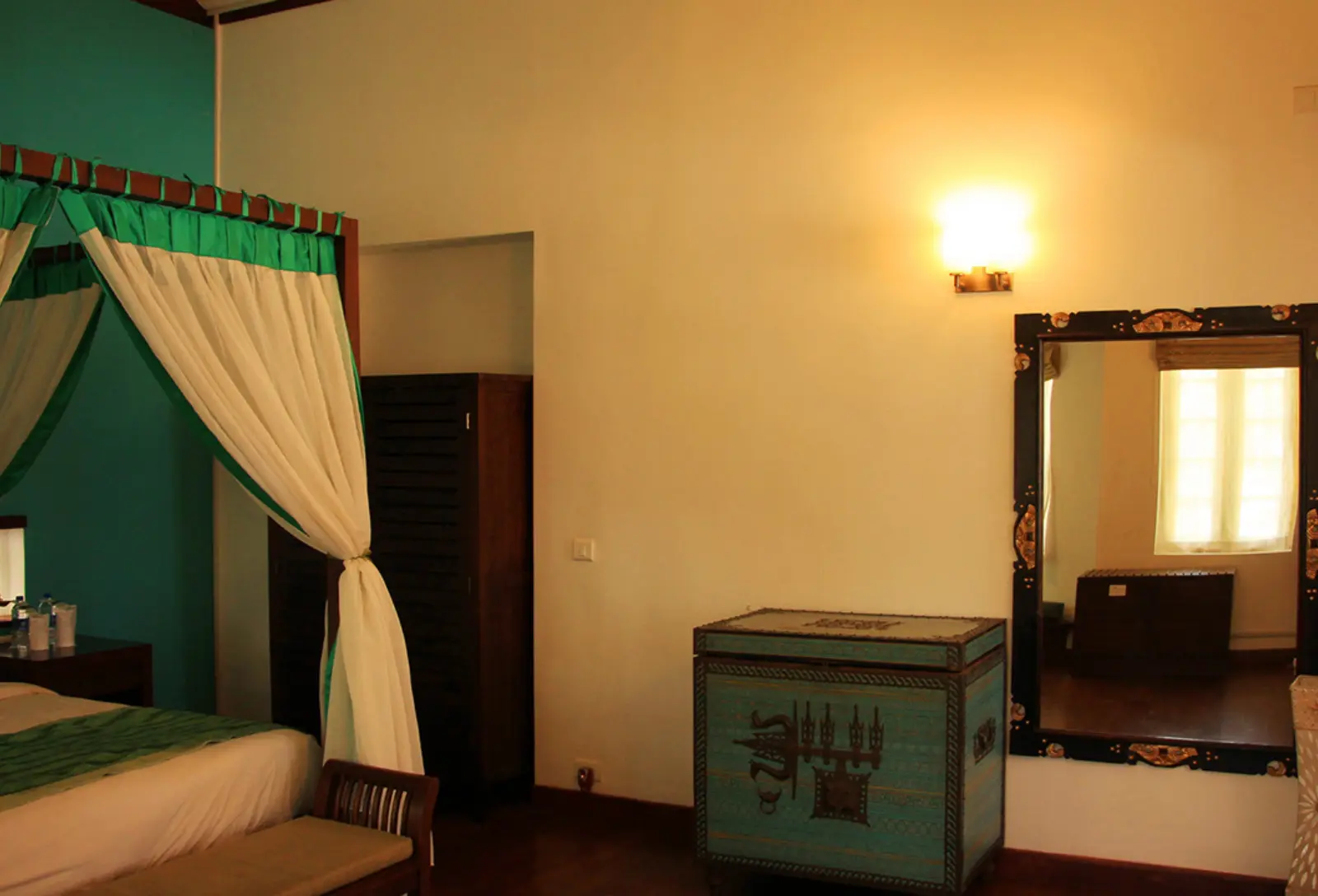
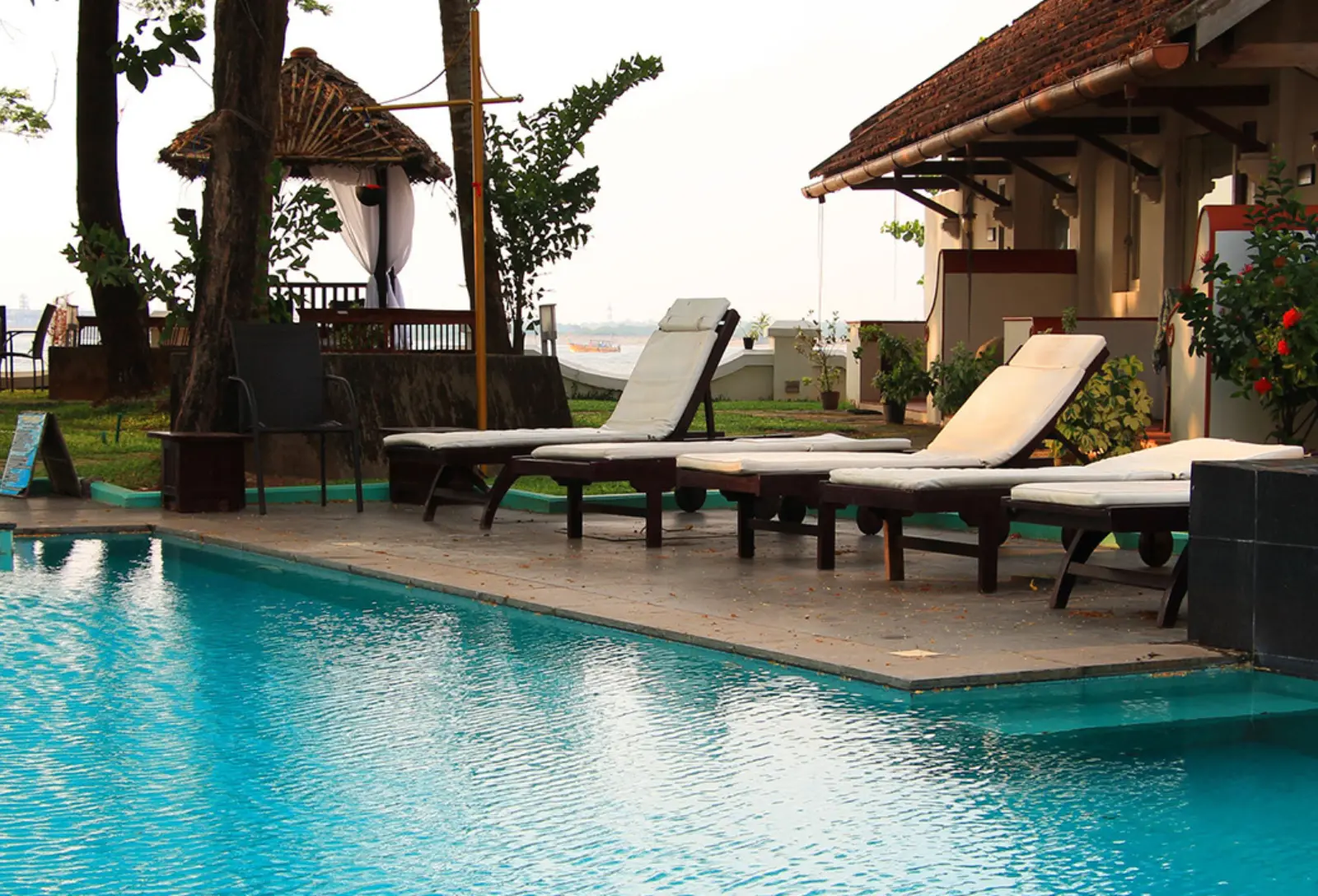
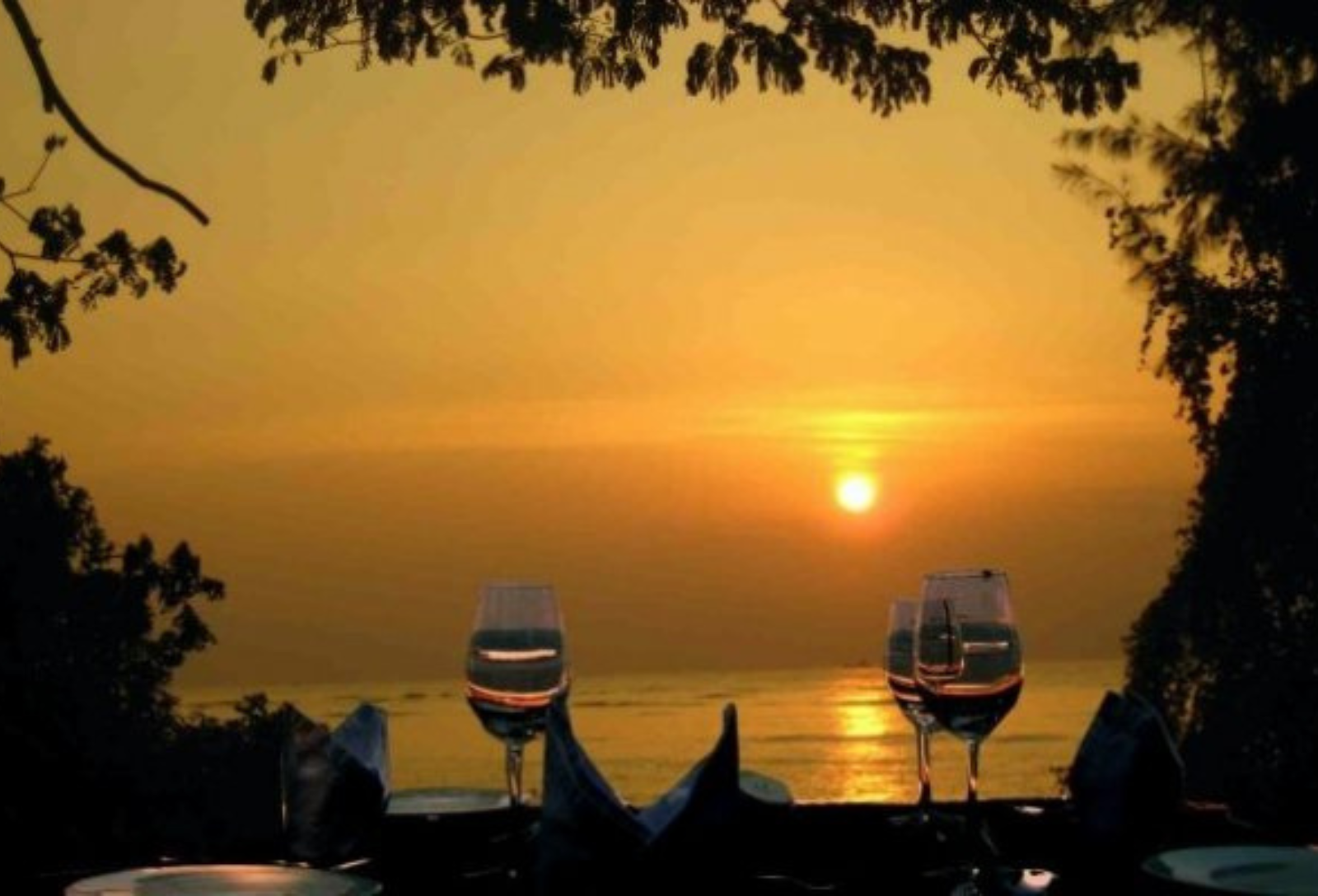
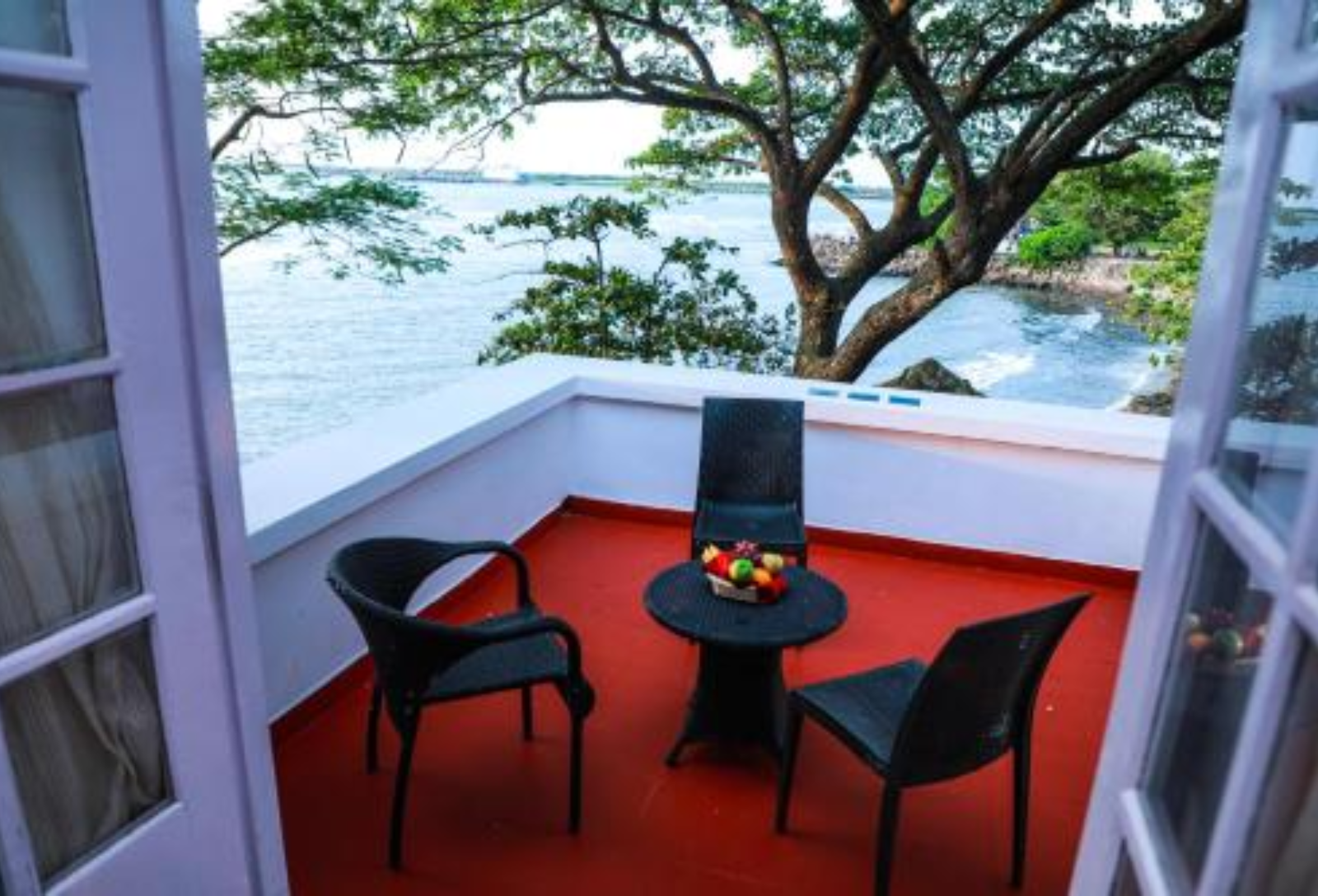
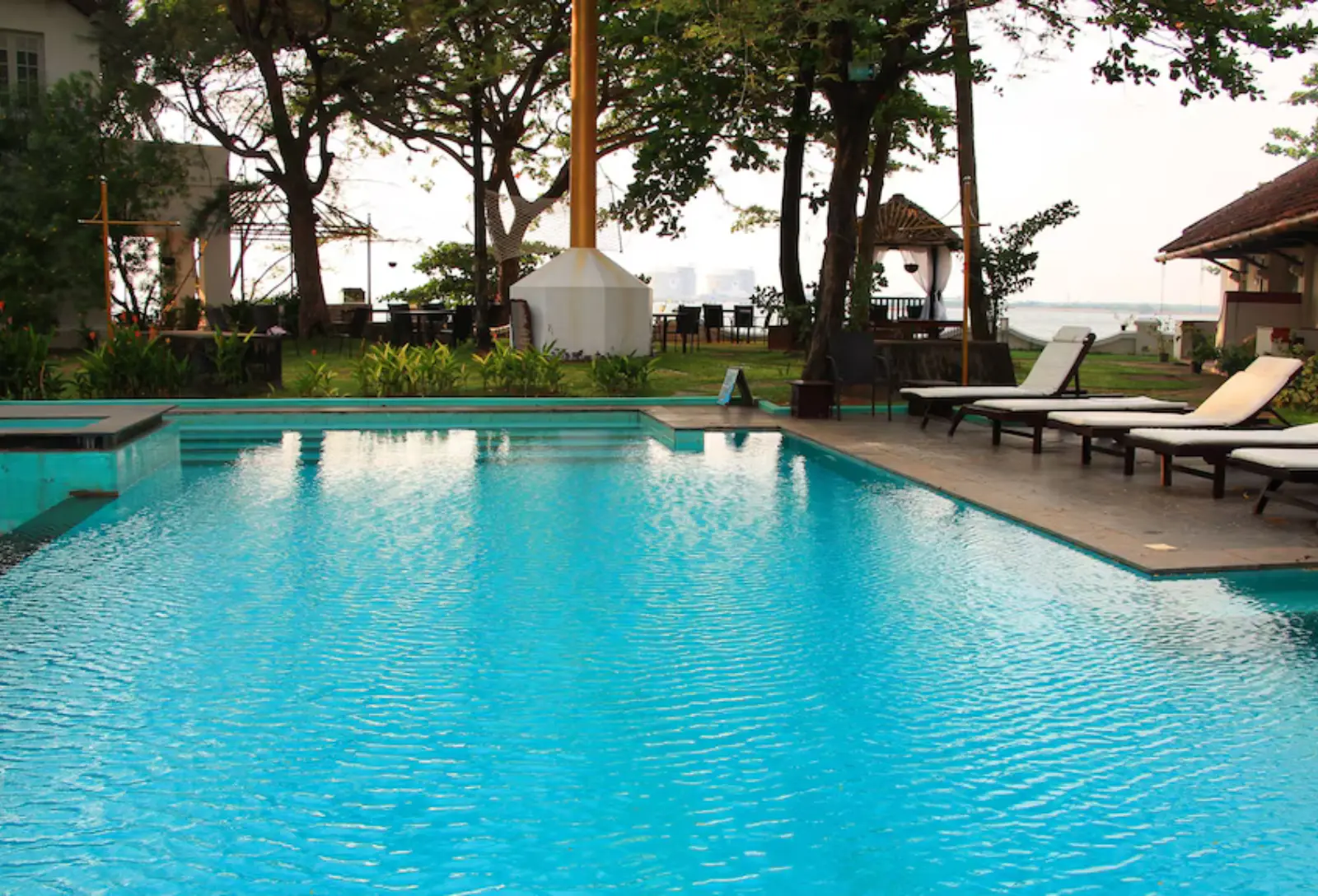
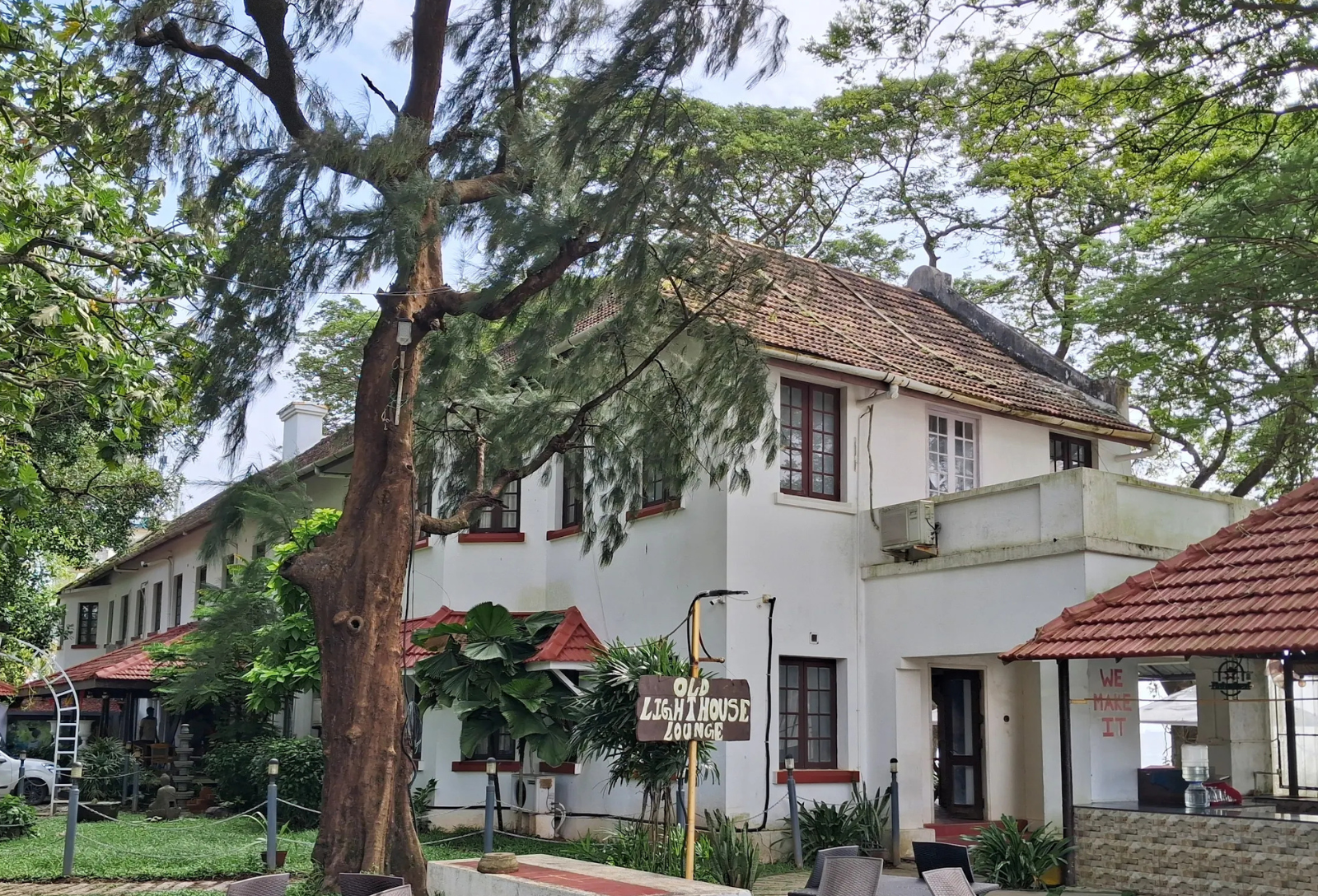
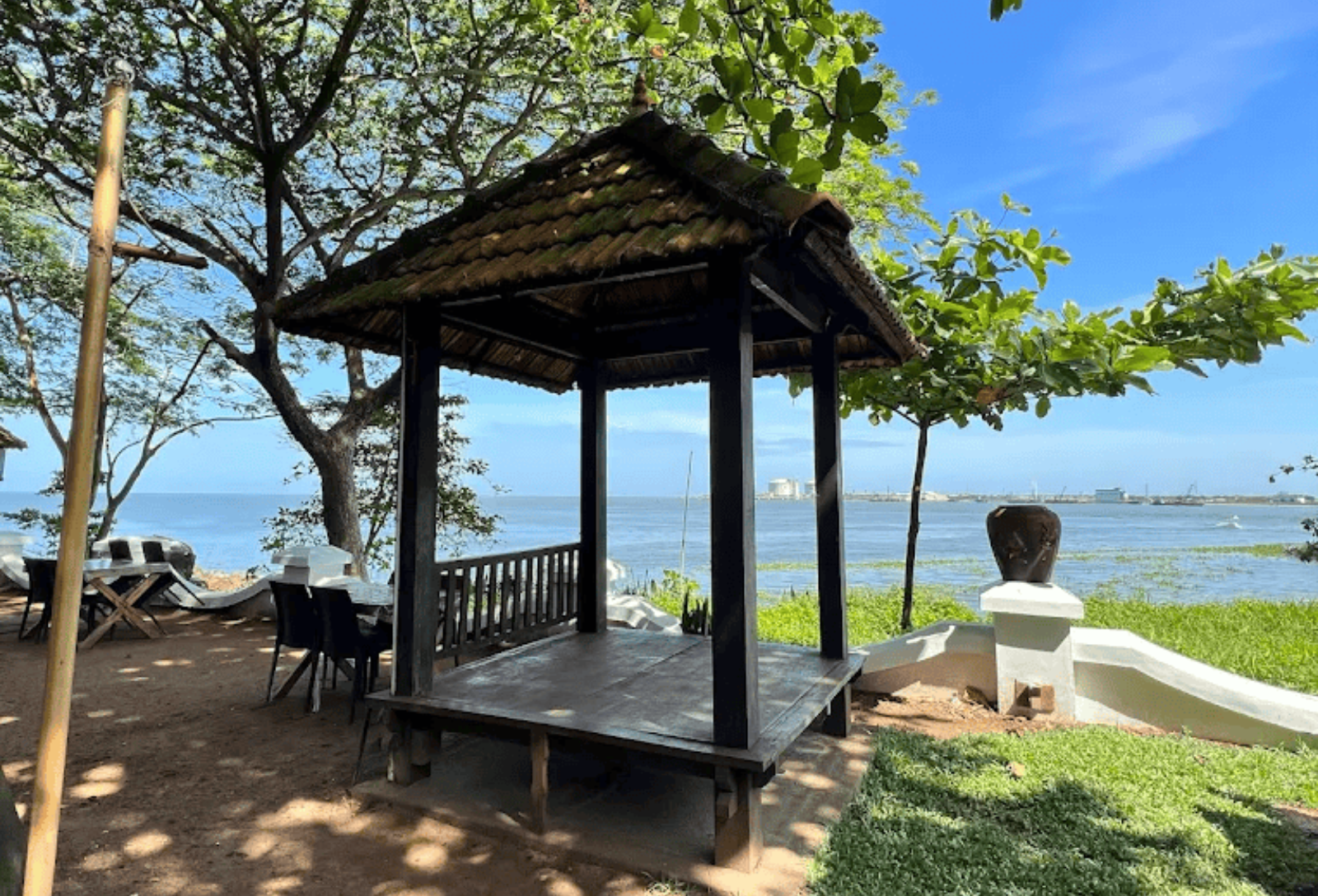
Standing proudly by the sea, The Old Lighthouse at Fort Kochi is more than a luxury hotel. It is a silent witness to centuries of trade, exploration, and cultural fusion. Each stay offers guests a chance to live within walls that echo maritime legends, explore nearby spice markets, and savour cuisines born from cultural crossroads. With tranquil views of the Arabian Sea and timeless colonial charm.
Come explore Fort Kochi and its rich history with The Old Lighthouse Hotel!
Latest Posts
.png)
.webp)
.png)
.png)
.png)
.jpg)
.png)

.jpg)
.webp)
.jpg)
.webp)
 (1).jpg)



.jpg)
.jpg)
.jpg)
.png)


.jpg)
.jpg)

.jpg)


.png)
Coastal Escapes: Exploring Kochi’s Best Beaches
29 May 2025.jpg)
.jpg)
.jpg)
.jpg)

.jpg)
.jpg)
.jpg)

.jpg)
.jpg)
.jpg)
Shopping in Ernakulam: A Shopaholic's paradise
07 Mar 2025
.jpg)


The Backwaters and Charm of Kochi
27 Feb 2025.jpg)


.jpeg)
 (1) (2).jpg)

