Blogs

Where the Sea Remembers: Experiencing the Muziris Biennale 2026
Kochi has lived many lives, but during the Kochi Muziris Biennale, it feels reborn every time. The city stops behaving like a slow, coastal town and transforms into an international meeting point for expression, conflict, and creative urgency. Warehouses turn into galleries, walls turn into voices, and abandoned rooms begin holding ideas that feel more alive than people. Visitors do not simply tour the Biennale. They walk into it the way you step into a thought that is still forming.
Since its first edition in 2012, the Biennale has grown into India’s most honest dialogue with contemporary art. It has remained global, political, unpredictable, and deeply committed to artists who challenge comfort. Every edition shifts the mood of the city and expands what art can mean inside a place shaped by centuries of trade, migration, and memory.
The 2026 edition, curated by Nikhil Chopra, continues that momentum with this year’s theme “For the Time Being.” The theme rests in the uncertain space between the temporary and the lasting. It asks you to pay attention to the moment you occupy and the time you move through without noticing. It reflects the present world we live in, a world where climate anxiety grows, identities shift, technology reshapes instinct, and political voice feels both powerful and fragile at once.
The artists arriving this year are not here to beautify the city. They are here to respond. To question. To unsettle. Some works will move you instantly. Others will demand patience or a second visit. That friction is part of the experience. Art here moves at its own pace and asks you to move with it.
Art That Stays in Your Head, Not Just Your Camera Roll
Most first-time visitors discover quickly that the Biennale is not a checklist. You cannot finish it in a day, and you cannot absorb it without effort. Some installations unfold in minutes. Others take their time and return to you long after you have left the venue. A single piece in a warehouse may follow you back to your room, interrupt a conversation hours later, or change meaning when your mind revisits it.
This is the Biennale’s quiet strength. It follows you. It lingers. It refuses to let you consume it too quickly.
And because of that, where you stay matters more than you would expect.
Why Old Lighthouse Bristow Matters During the Biennale
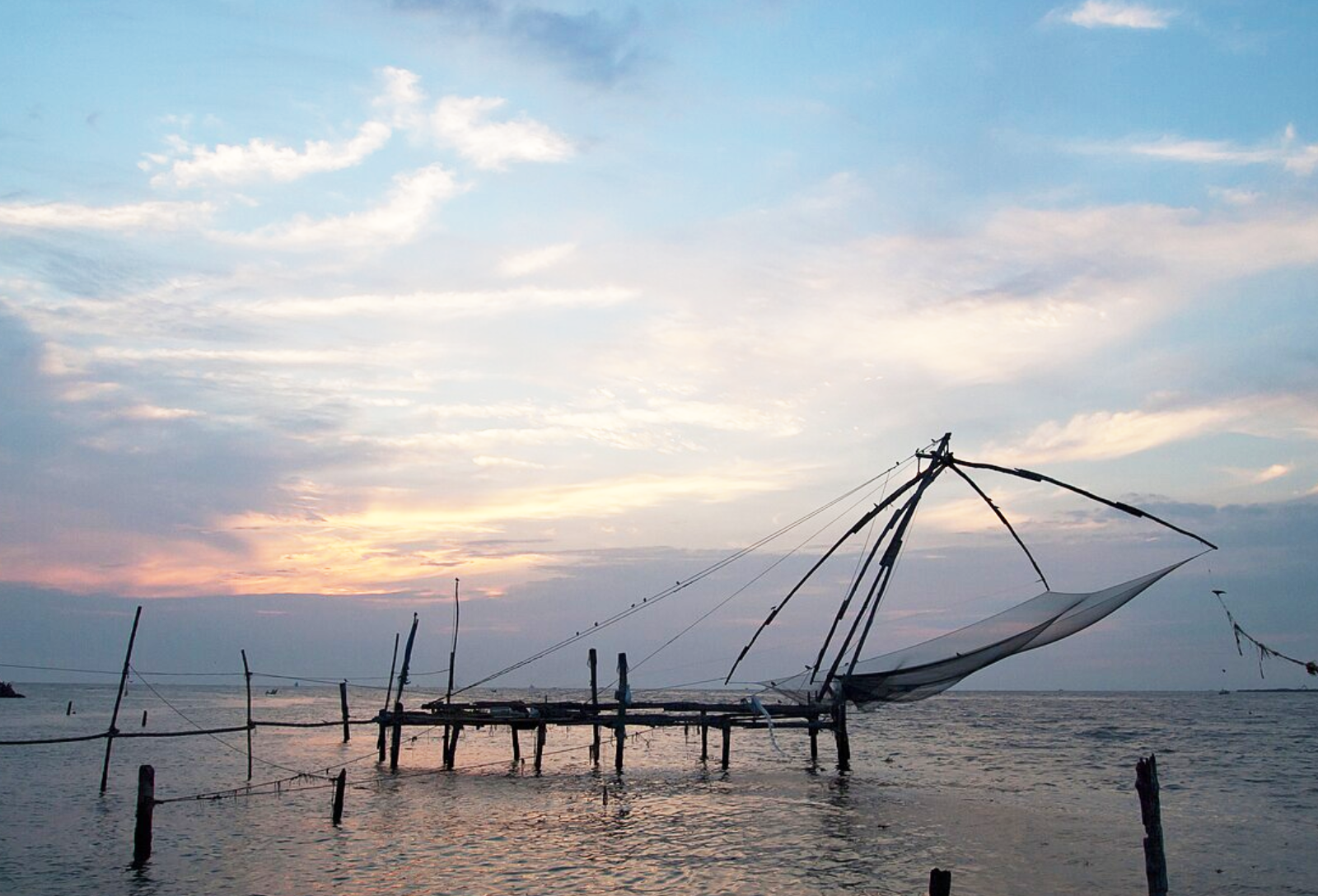
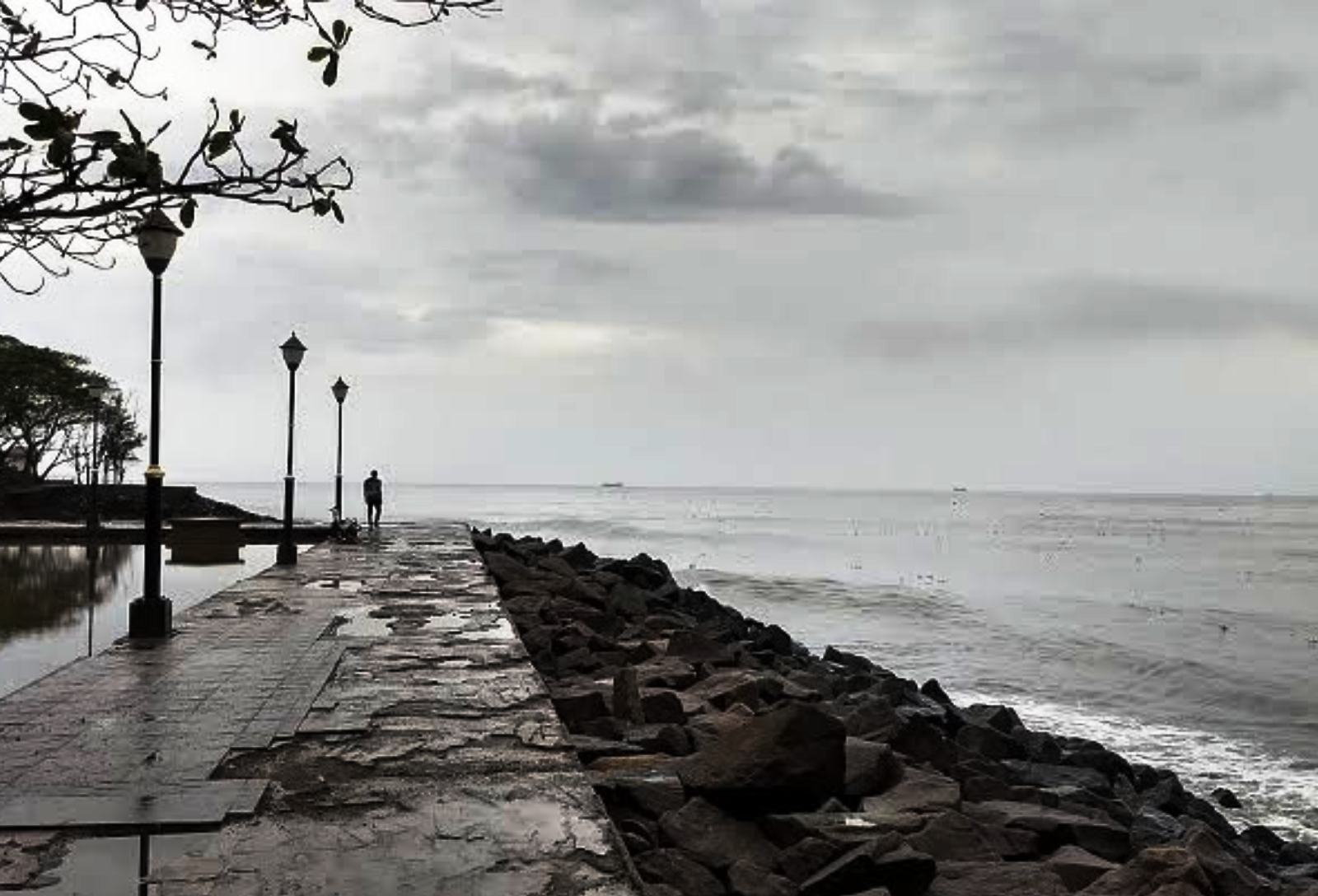
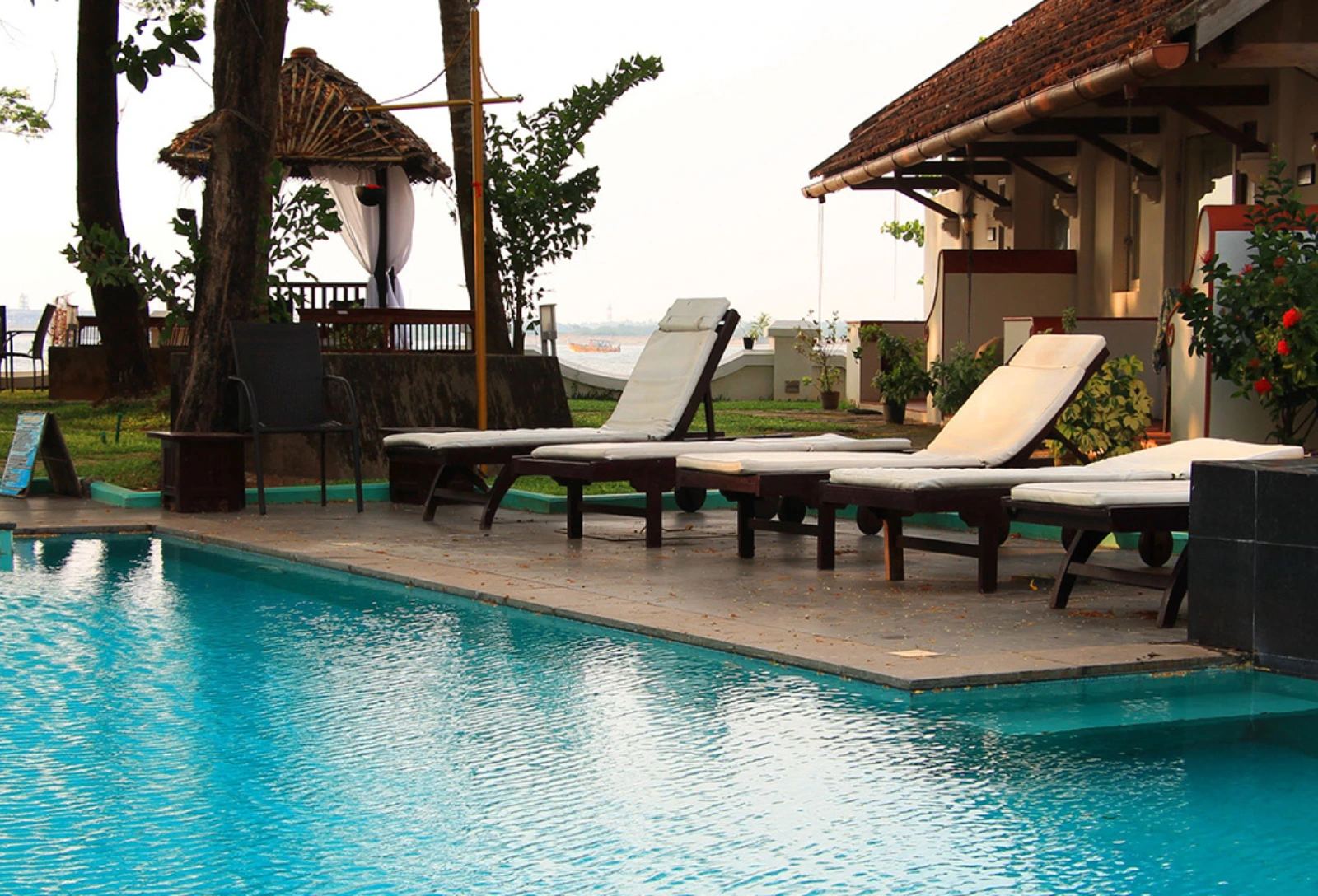
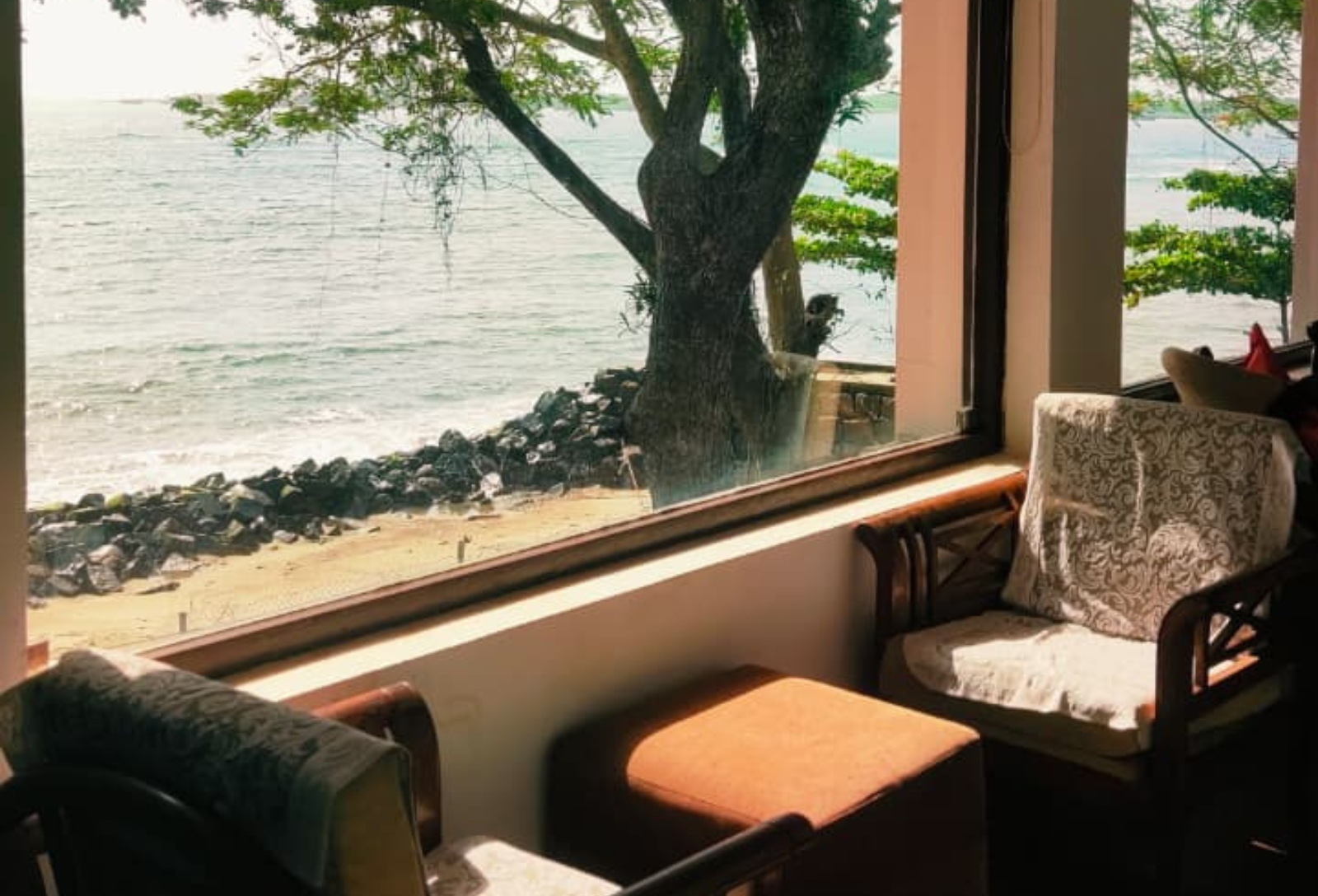
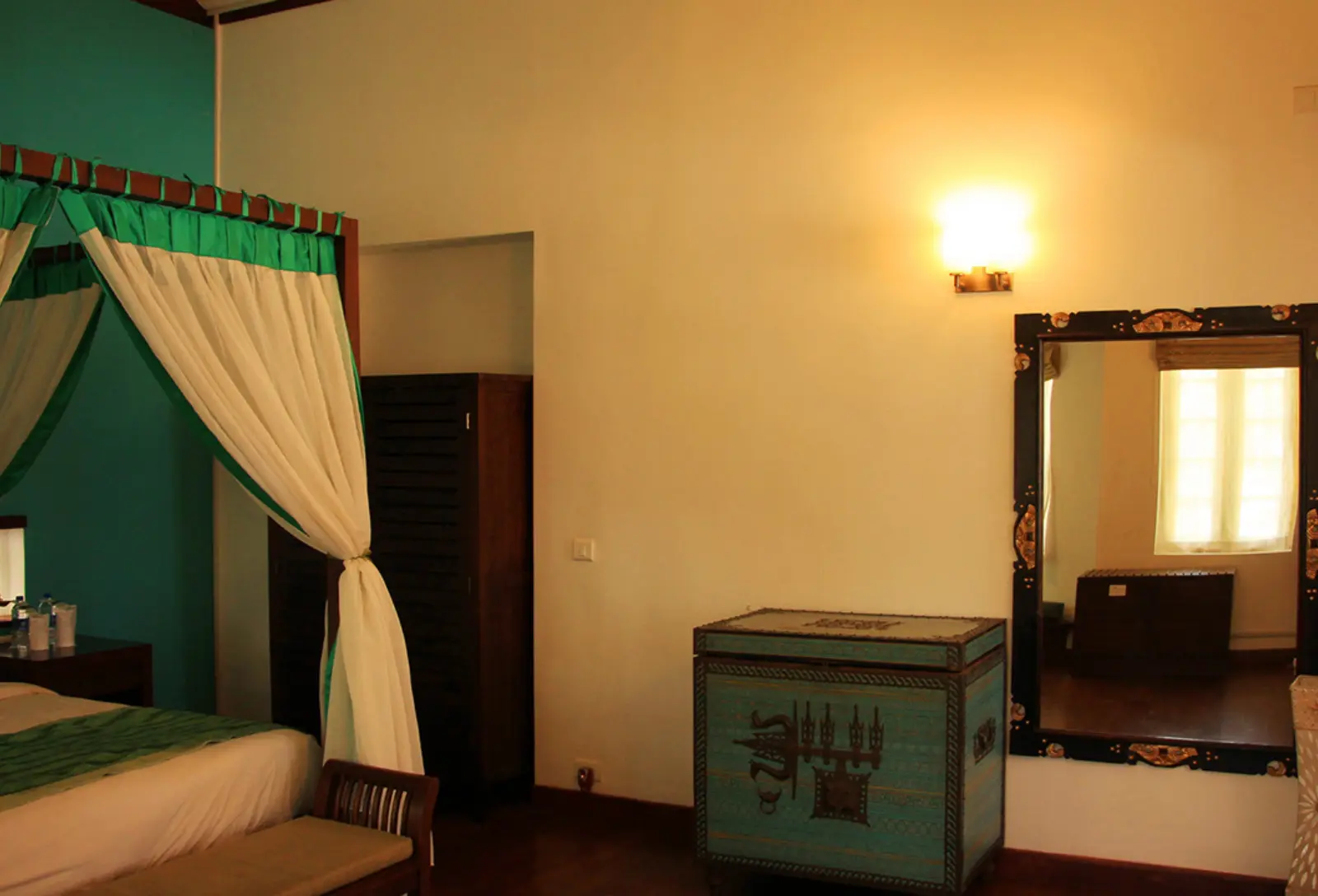
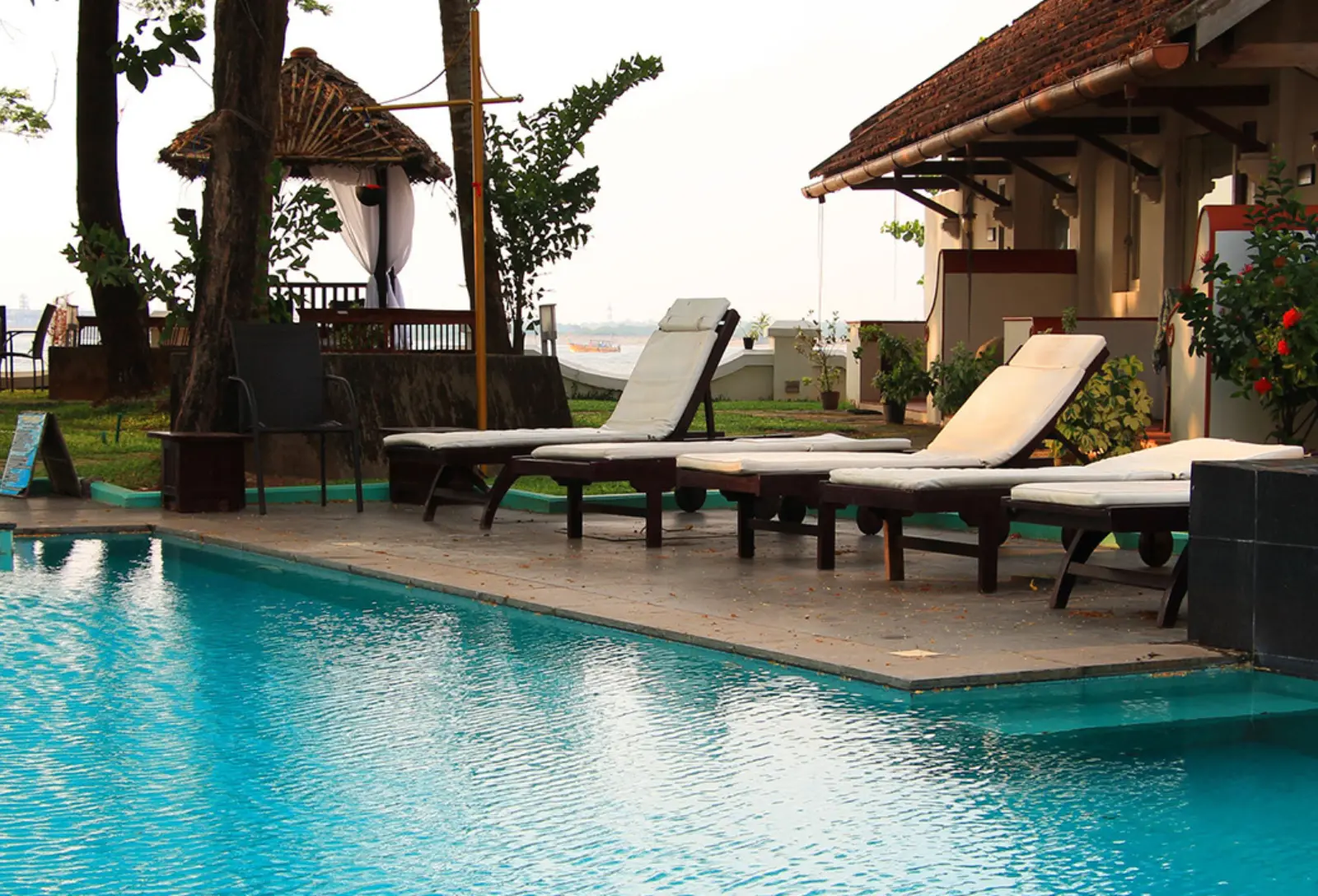
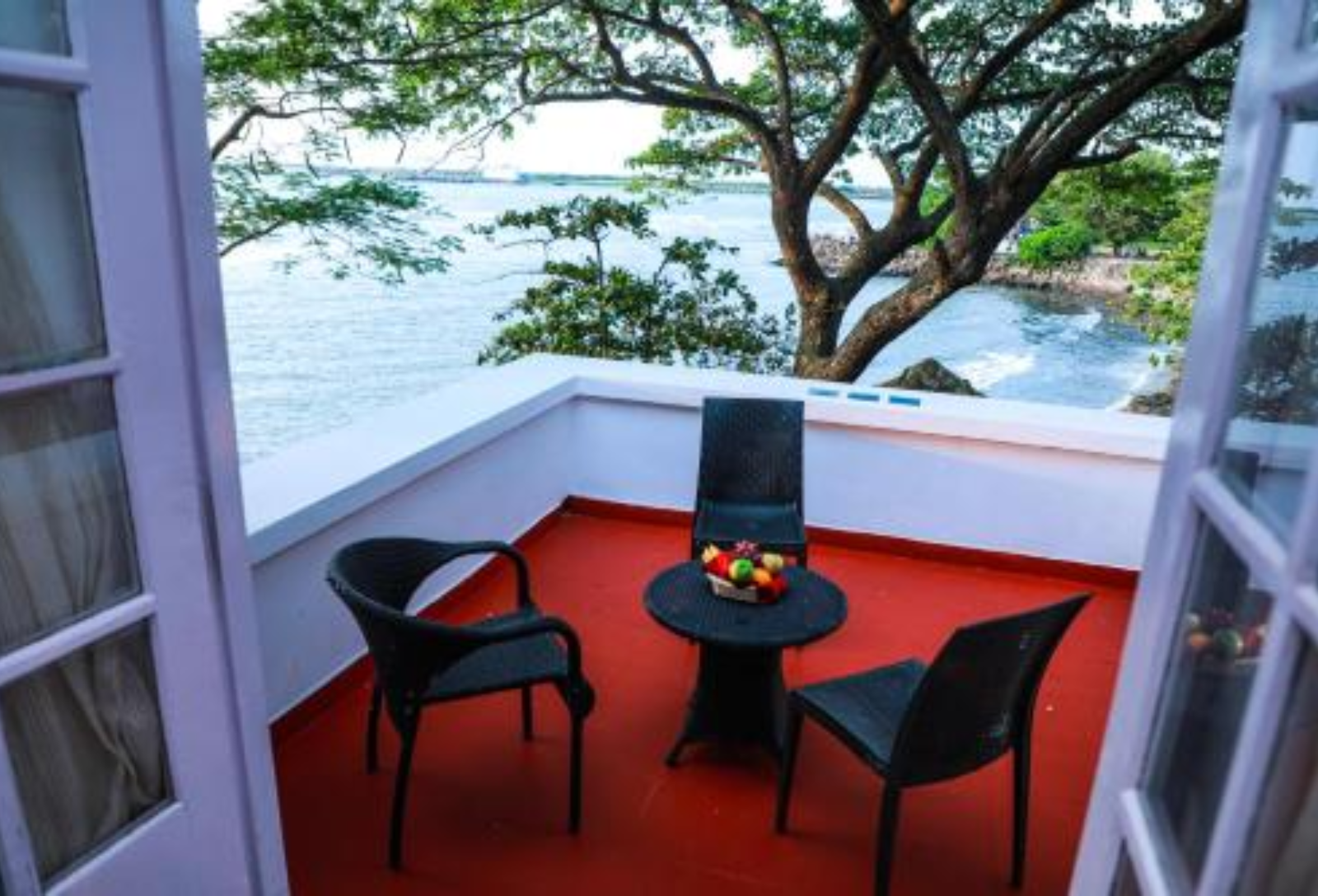
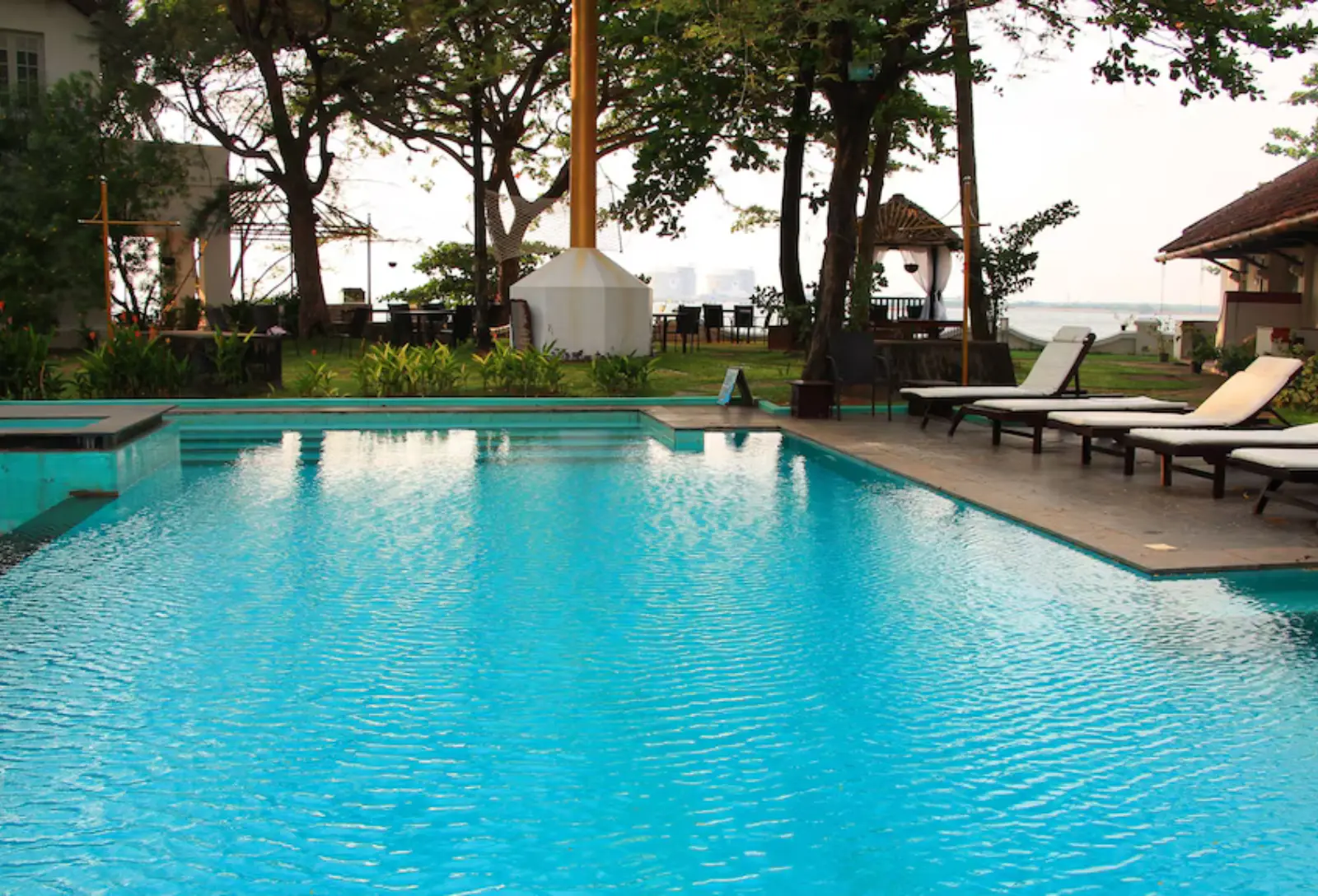
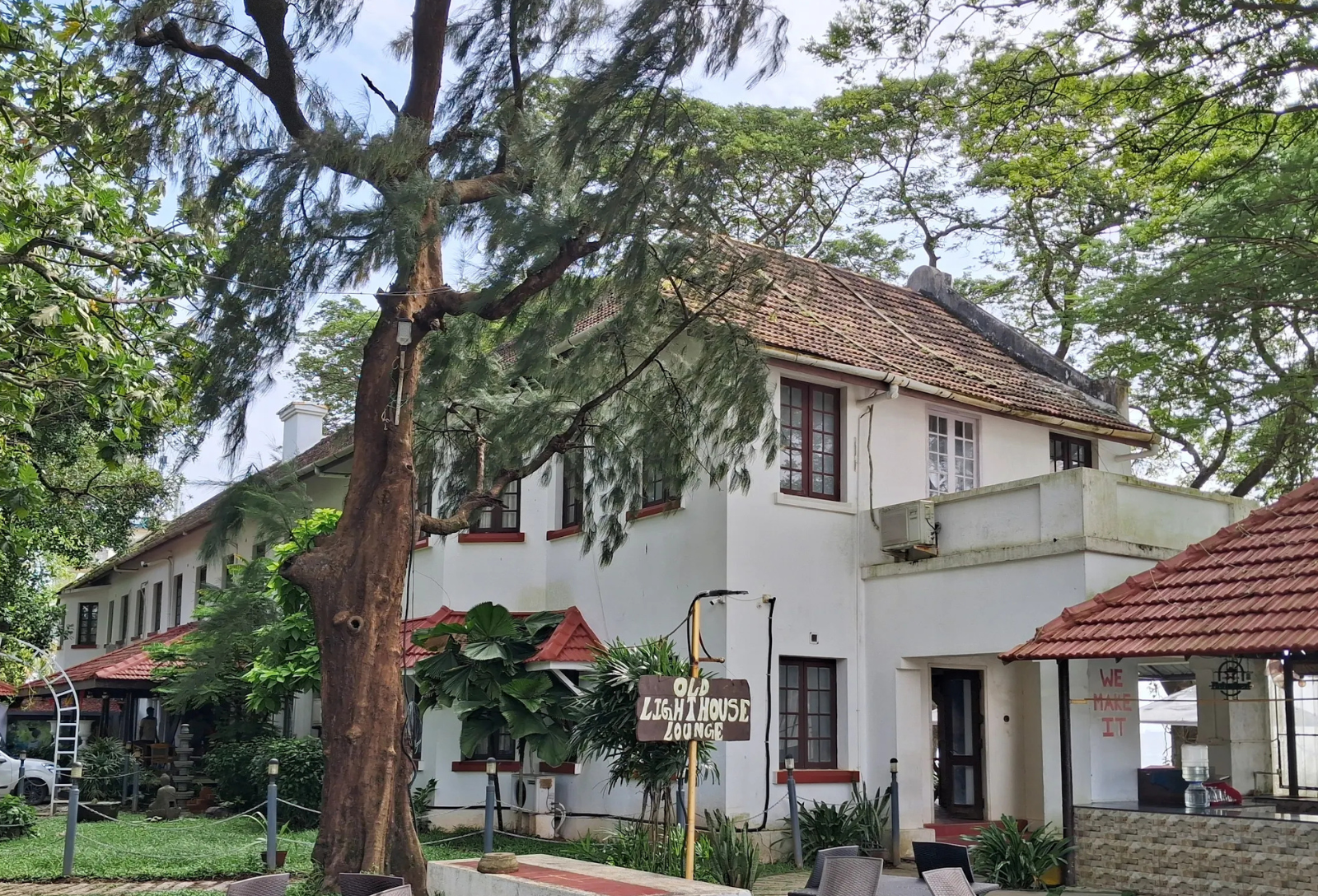
Old Lighthouse Bristow offers something the Biennale often overwhelms. Pause. Not isolation. Not a distraction. A simple, steady pause. The hotel sits close enough to the venues to make moving around easy while giving you distance from the constant noise and weight of the city. The sea outside is grounding and honest. After a full day of visual intensity and conversation, you return to a space that asks nothing of you. The hotel does not need to be decoded. It lets the mind breathe.
This balance matters. The Biennale fills you with impressions and questions. Old Lighthouse Bristow gives you the clarity needed to understand them.
How a Stay Here Shapes the Experience
Your days begin with waves instead of alarms and breakfast facing the horizon. You step into the city early and let ideas collect as you wander through the venues. By midday, you may already feel full. Nothing at the Biennale is passive. Everything leaves a trace.
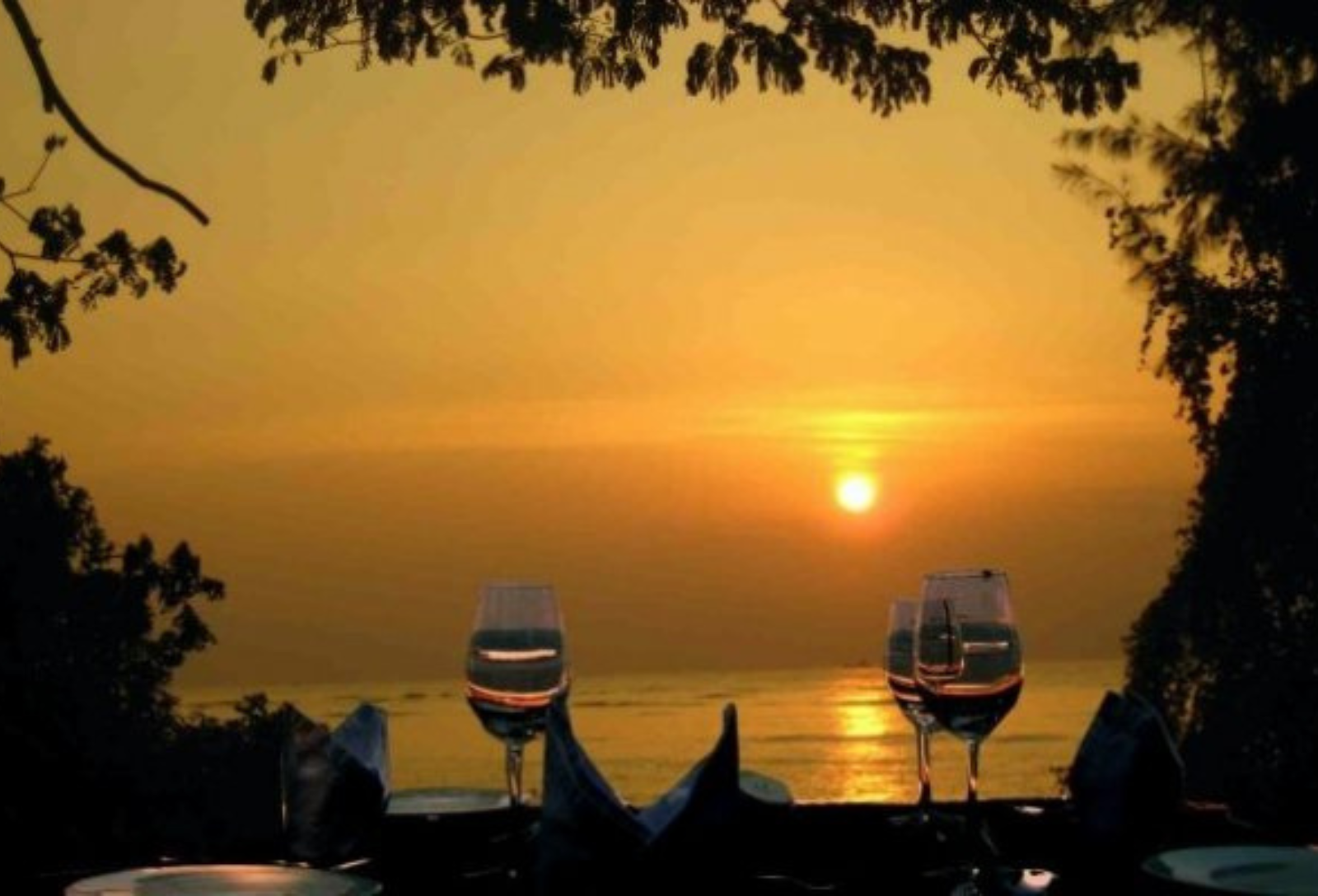
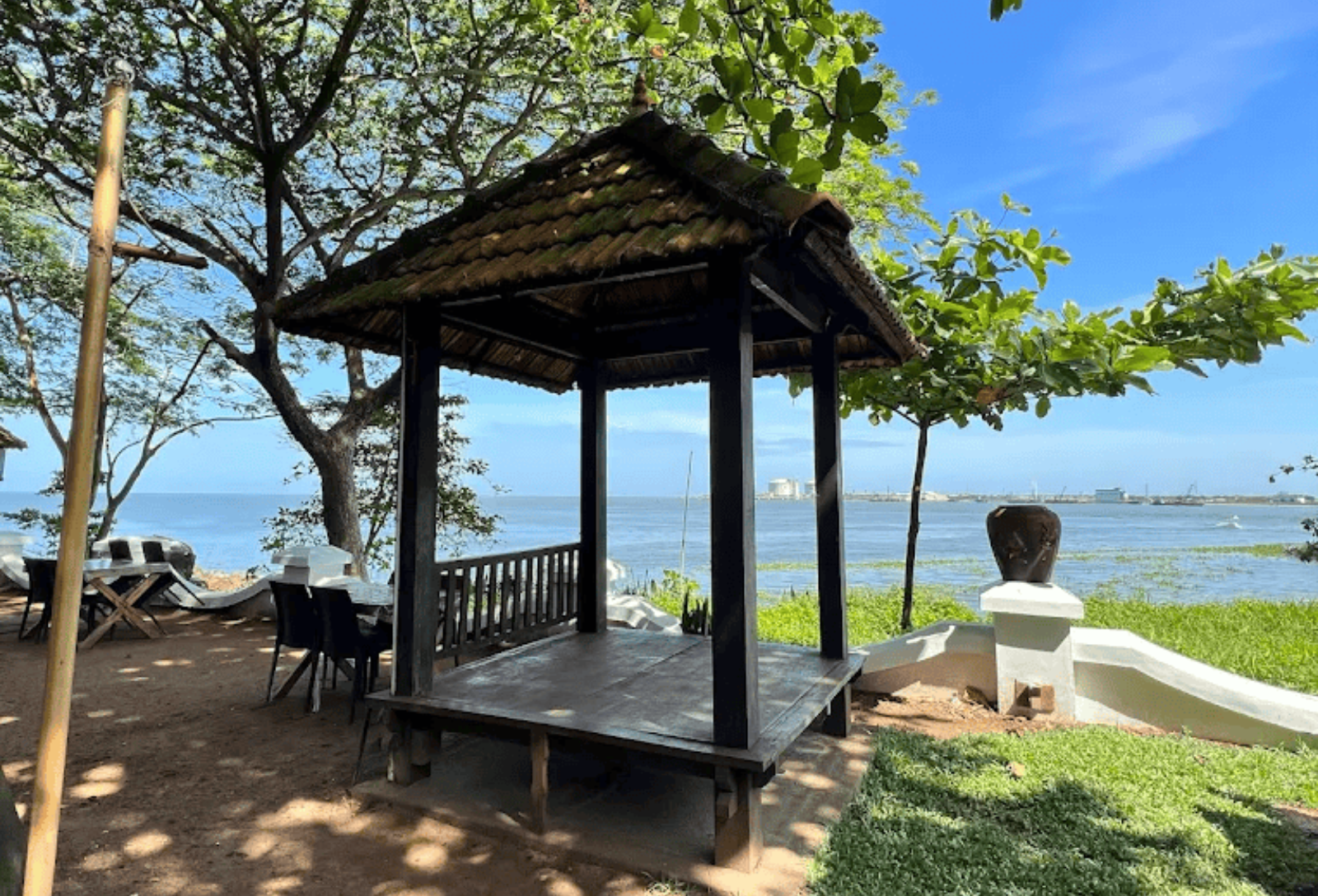
When you return, thoughts slow down and find their order. Evenings stretch quietly at The Sea Facing Restaurant. You replay an exhibit, talk through a piece that confused you, or watch the water until something makes sense. Reflection arrives naturally here. You see the art in the city, but you understand it later in silence.
The Biennale is the journey. This stay becomes the return.
You can attend the Biennale from anywhere. To truly experience it, you need time, absorption, and a place where ideas can land. Old Lighthouse Bristow offers that space. Calm. Close. Steady. Enough to let the Biennale stay with you instead of passing through you.
Muziris Biennale 2026 will ask questions.
Here, you will hear your answers.
Come discover Muziris Biennale 2025 with The Old Lighthouse Bristow, Fort Kochi.
Latest Posts
.png)
.webp)
.png)
.png)

.png)
.jpg)
.png)

.jpg)
.webp)
.jpg)
.webp)
 (1).jpg)




.jpg)
.jpg)
.jpg)
.png)

.jpg)

.jpg)
.jpg)

.jpg)


.png)
Coastal Escapes: Exploring Kochi’s Best Beaches
29 May 2025.jpg)
.jpg)
.jpg)
.jpg)

.jpg)
.jpg)
.jpg)

.jpg)
.jpg)
.jpg)
Shopping in Ernakulam: A Shopaholic's paradise
07 Mar 2025
.jpg)


The Backwaters and Charm of Kochi
27 Feb 2025.jpg)


.jpeg)
 (1) (2).jpg)

