Blogs

The Legacy of Kochi’s Laces, Needlework and Sea View Hotel
Kochi, often called the "Queen of the Arabian Sea," is a lively coastal city in Kerala, India, celebrated not just for its historical importance and scenic beauty, but also for its remarkable contributions to handicrafts. Among its most treasured artistic practices are its beautiful laces and needlework, which showcase a clear combination of local and colonial influences. These crafts are a reflection of Kochi’s multicultural history and the talent of its skilled workers.
A History Intertwined with Cultural Threads
The roots of lace-making and needlework in Kochi can be traced back to the arrival of European settlers, especially the Portuguese and Dutch, in the 16th and 17th centuries. These colonizers brought detailed lace-making methods and embroidery styles that were quickly adopted and adapted by local craftsmen. As time passed, these crafts transformed into a unique art form, combining Western designs with Indian themes. The region's marine trade connections also contributed to the distribution and popularity of these crafts among global traders and tourists.
The Craft of Lace-Making
Kochi’s lace-making is distinguished by its careful craftsmanship and the use of fine cotton threads. Skilled workers produce elaborate designs by hand, utilizing methods that have been handed down through generations. The finished lacework is both elegant and strong, commonly used to increase table linens, curtains, and garments. Traditional designs feature floral patterns, geometric figures, and religious icons, showcasing the region’s varied cultural influences.
Needlework: A Blend of Techniques
Embroidery in Kochi is equally remarkable, exhibiting a seamless fusion of Indian and European aesthetics. The needlework typically incorporates vibrant colors, intricate designs, and various stitching techniques, resulting in visually striking pieces. Common designs include flora, fauna, and cultural icons, with many patterns drawing inspiration from Kerala’s rich natural landscape and spiritual heritage.
Current Significance
In the current globalized circumstances, Kochi’s lace and needlework continue to flourish, evolving to meet contemporary preferences while maintaining traditional practices. Skilled workers have expanded their offerings to include personalized items such as bridal attire, home decor, and accessories. Workshops and cooperatives are essential for sustaining these crafts, providing training and market opportunities for local makers. Furthermore, both government and private sectors have initiated efforts to promote this heritage through exhibitions and online platforms.
An Ongoing Tradition
Kochi’s laces and needlework represent more than mere decorative arts; they are a vibrant tradition that encapsulates the city’s history, culture, and craftsmanship. These art forms not only provide livelihoods for many but also symbolize community pride. Tourists visiting Kochi can experience this heritage firsthand by exploring local markets like Broadway, Jew Town, and Mattancherry, where these handmade treasures can be found.
The laces and needlework of Kochi illustrate the long lasting ability of art to bring people together across different eras and cultures. By supporting and celebrating these crafts, we not only acknowledge the skill and commitment of Kochi’s skilled workers but also contribute to the preservation of an essential feature of India’s cultural heritage for future generations.
A Heritage Sea View Hotel in the Heart of Fort Kochi
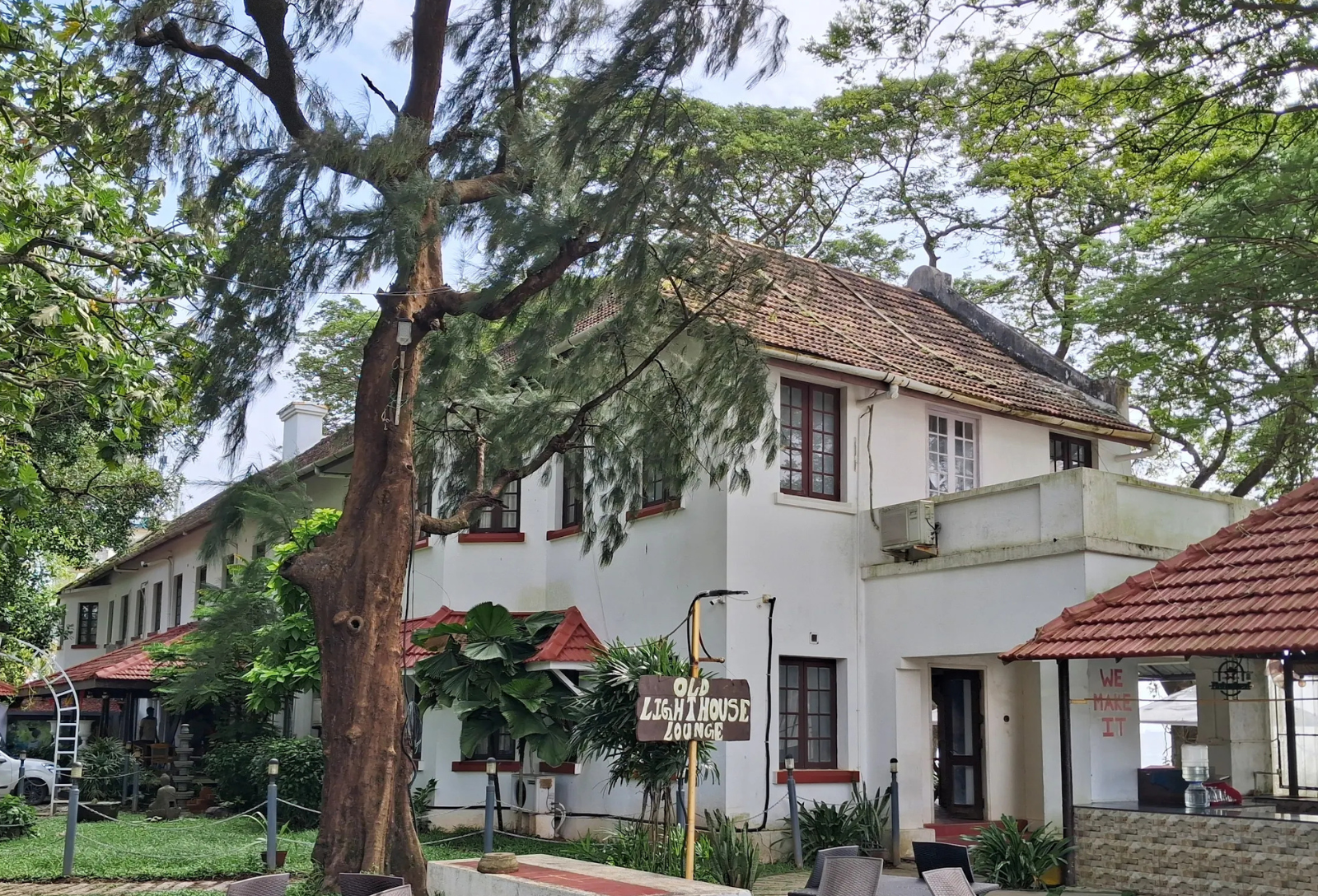
The Old Bristow Hotel, Heritage Hotel in Fort Kochi, a colonial-era heritage rich in history, serves as an ideal setting to admire the city’s famous lace and needlework. Visitors often encounter such artworks available in nearby local markets, establishing a direct connection to Kochi’s artistic heritage. Once the home of Sir Robert Bristow, the hotel reflects the fusion of European urbanity and local customs. The elegant style, influenced by colonial designs, echoes the hotel’s architectural beauty and cultural importance. Together, the Old Bristow Hotel, Heritage Hotel and the city’s lace and needlework embody Kochi’s exceptional talent for intertwining history, art, and hospitality into a memorable experience.
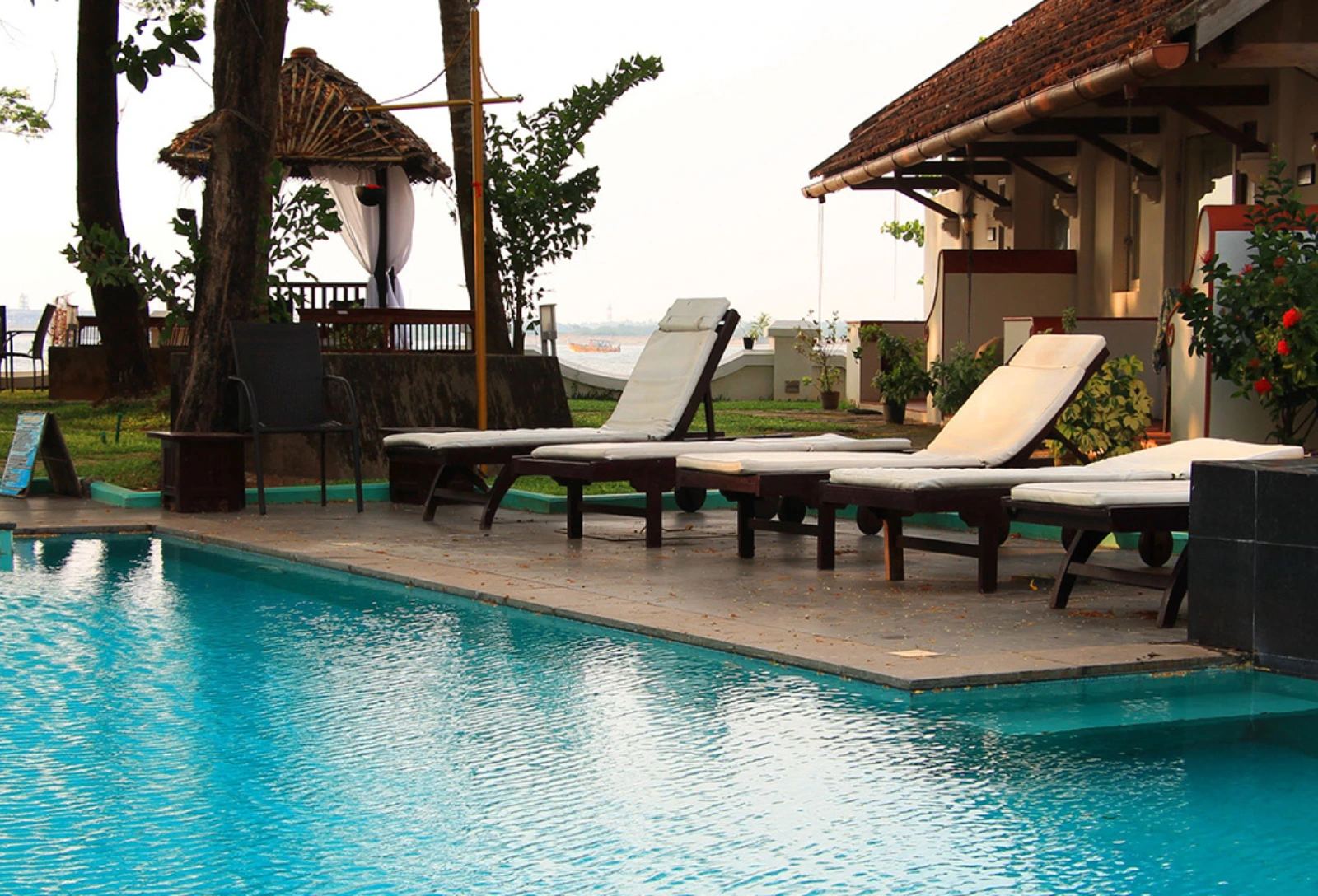
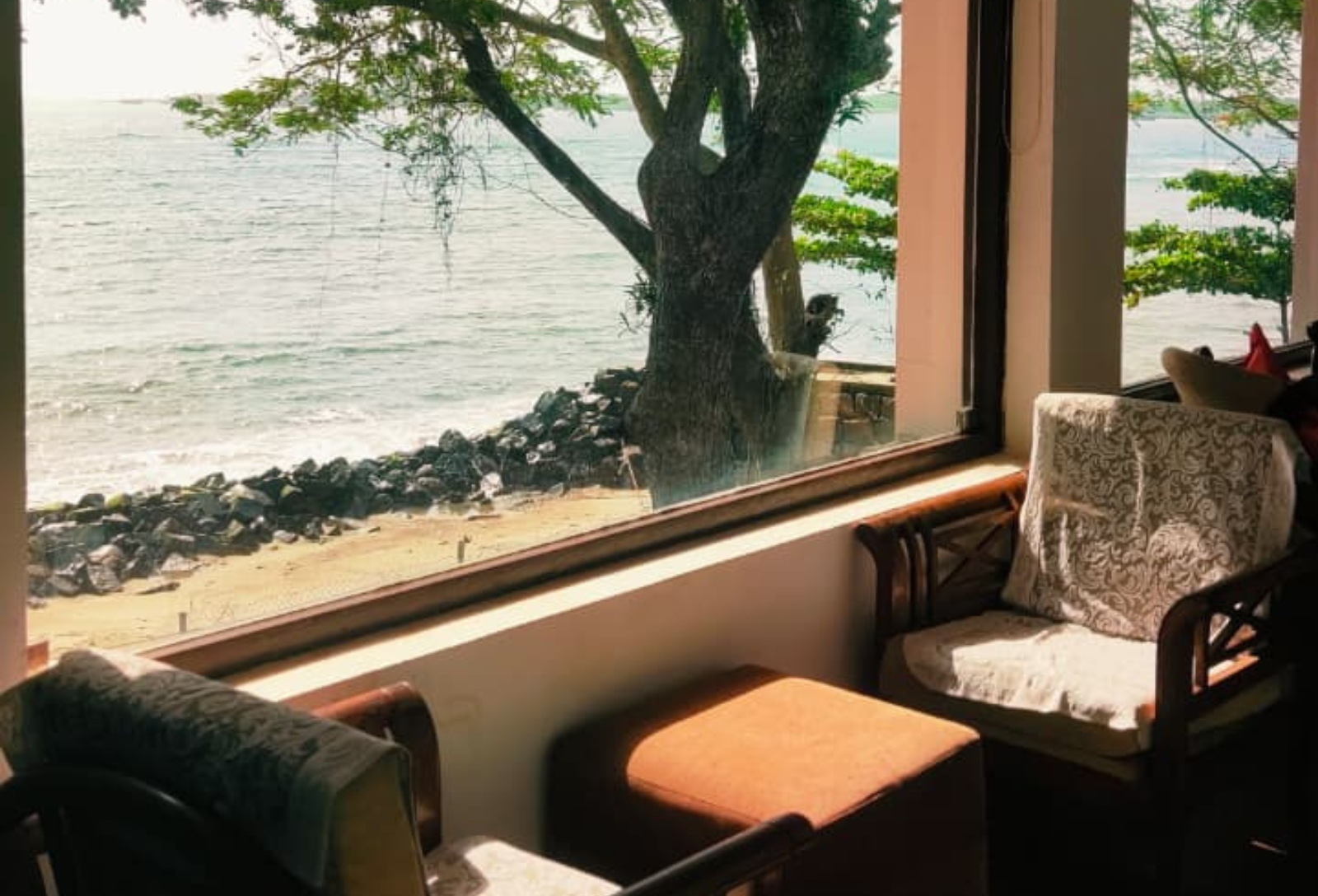
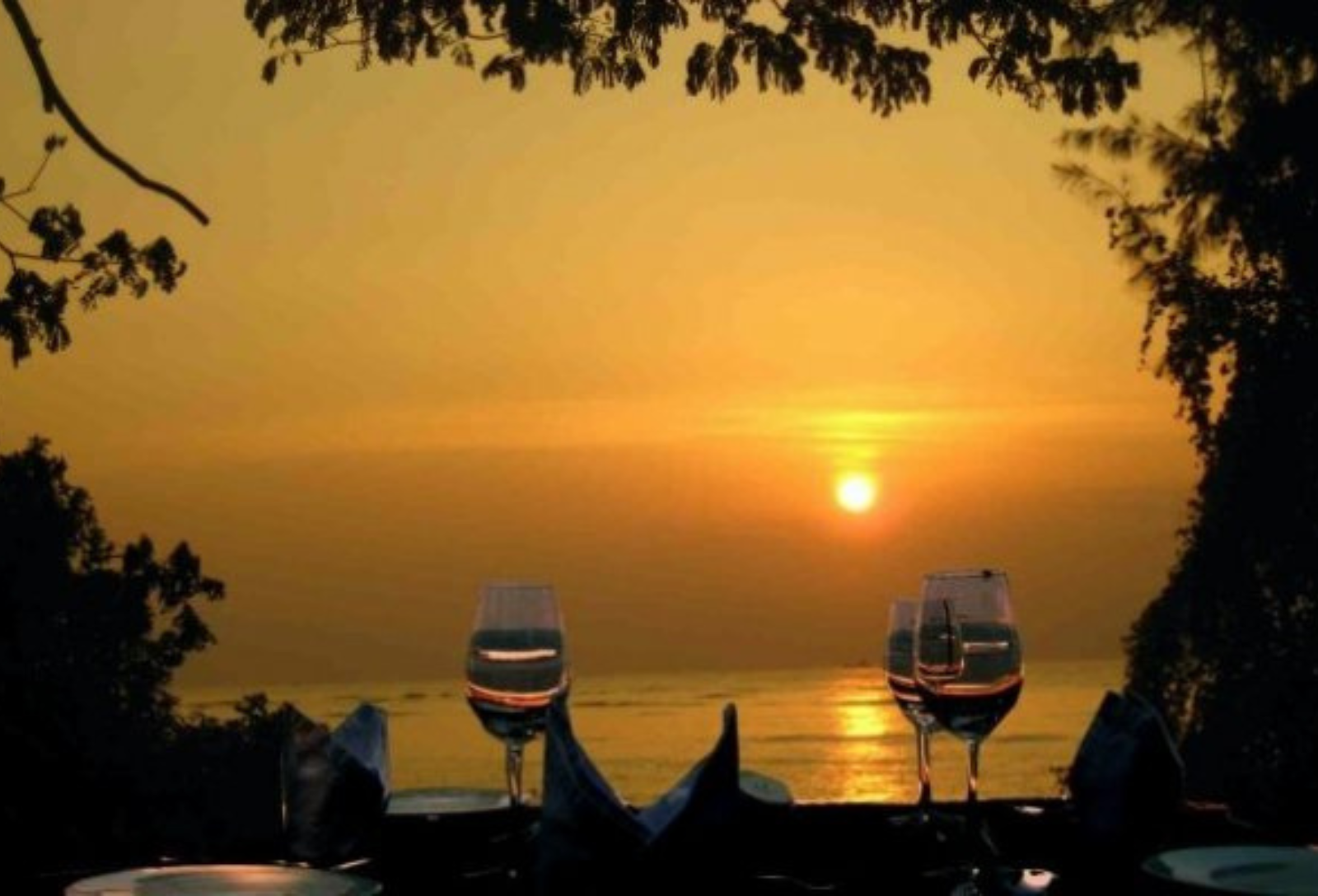
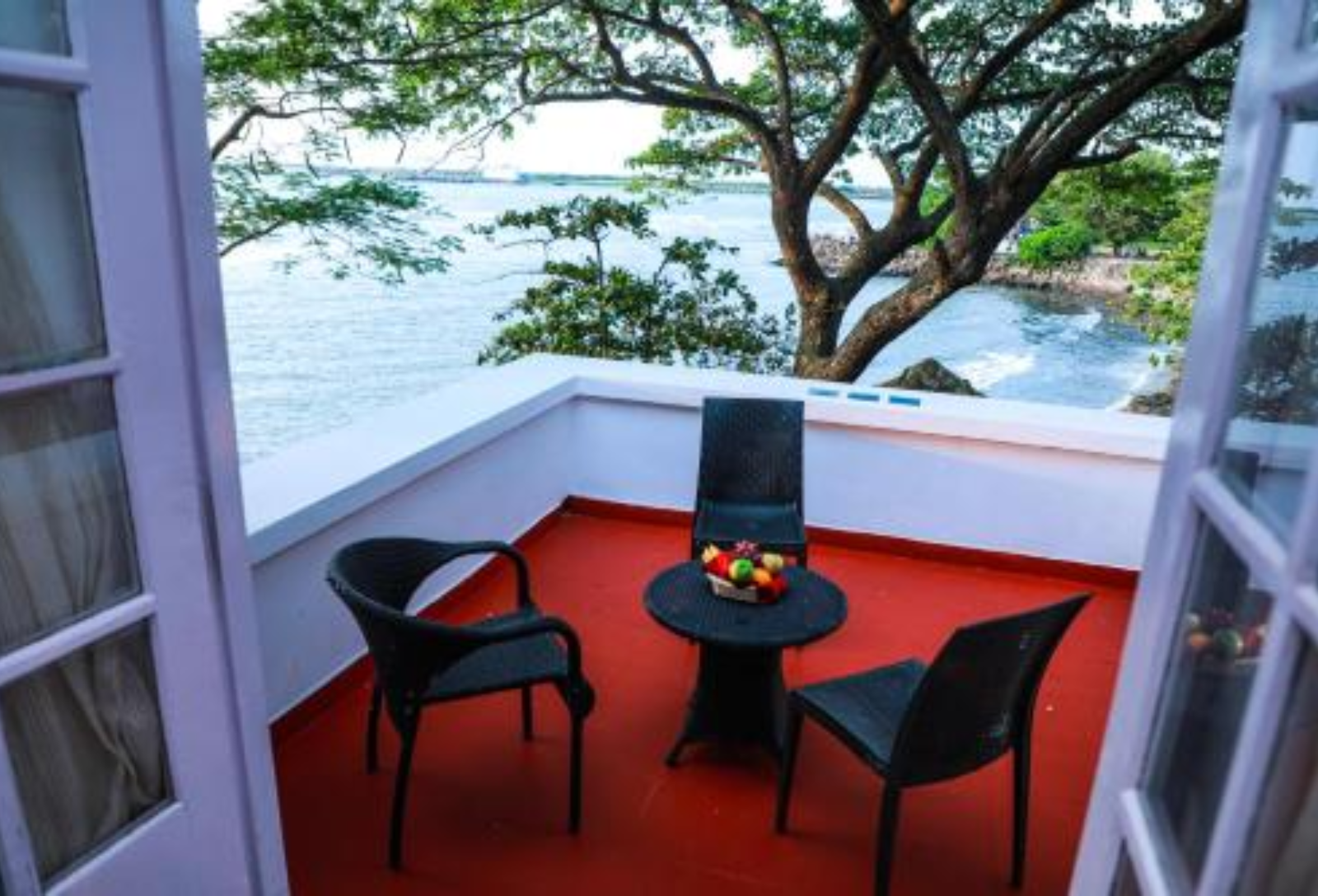
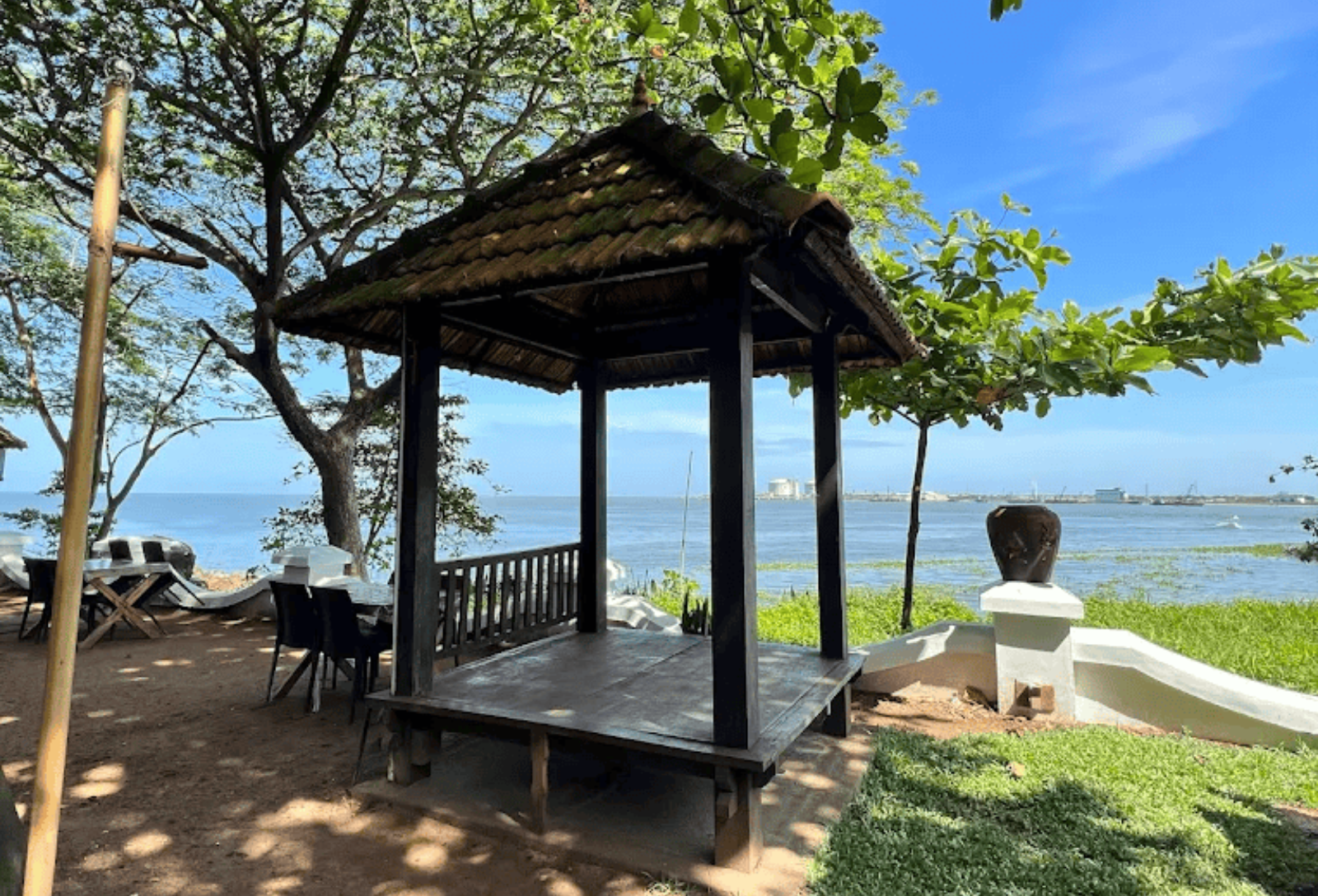
The Old Bristow Hotel, Heritage hotel is the best sea view hotel in Fort Kochi. This sea view hotel not only provides a stunning view of Arabian sea but also provides guests the charm of this heritage town.
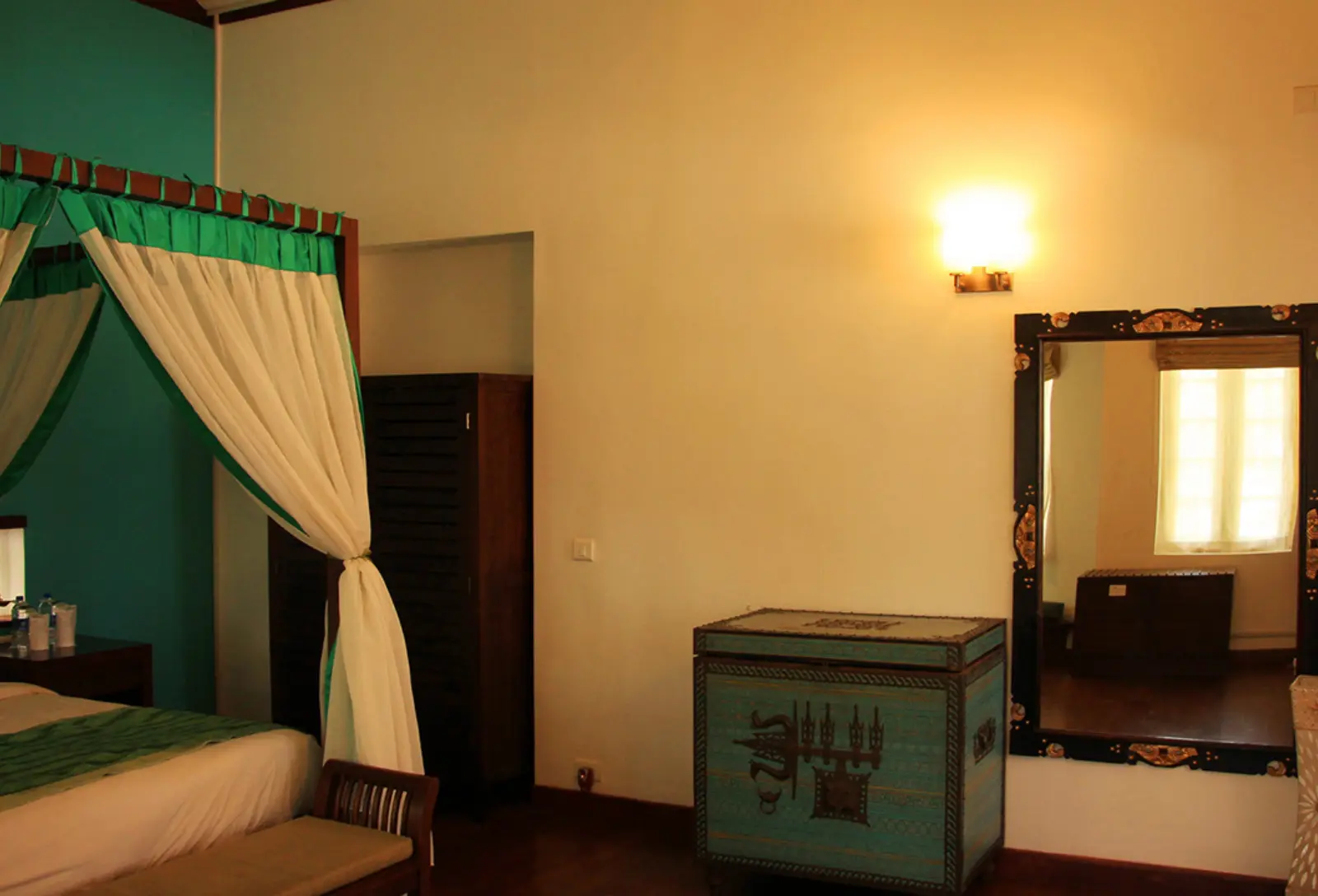
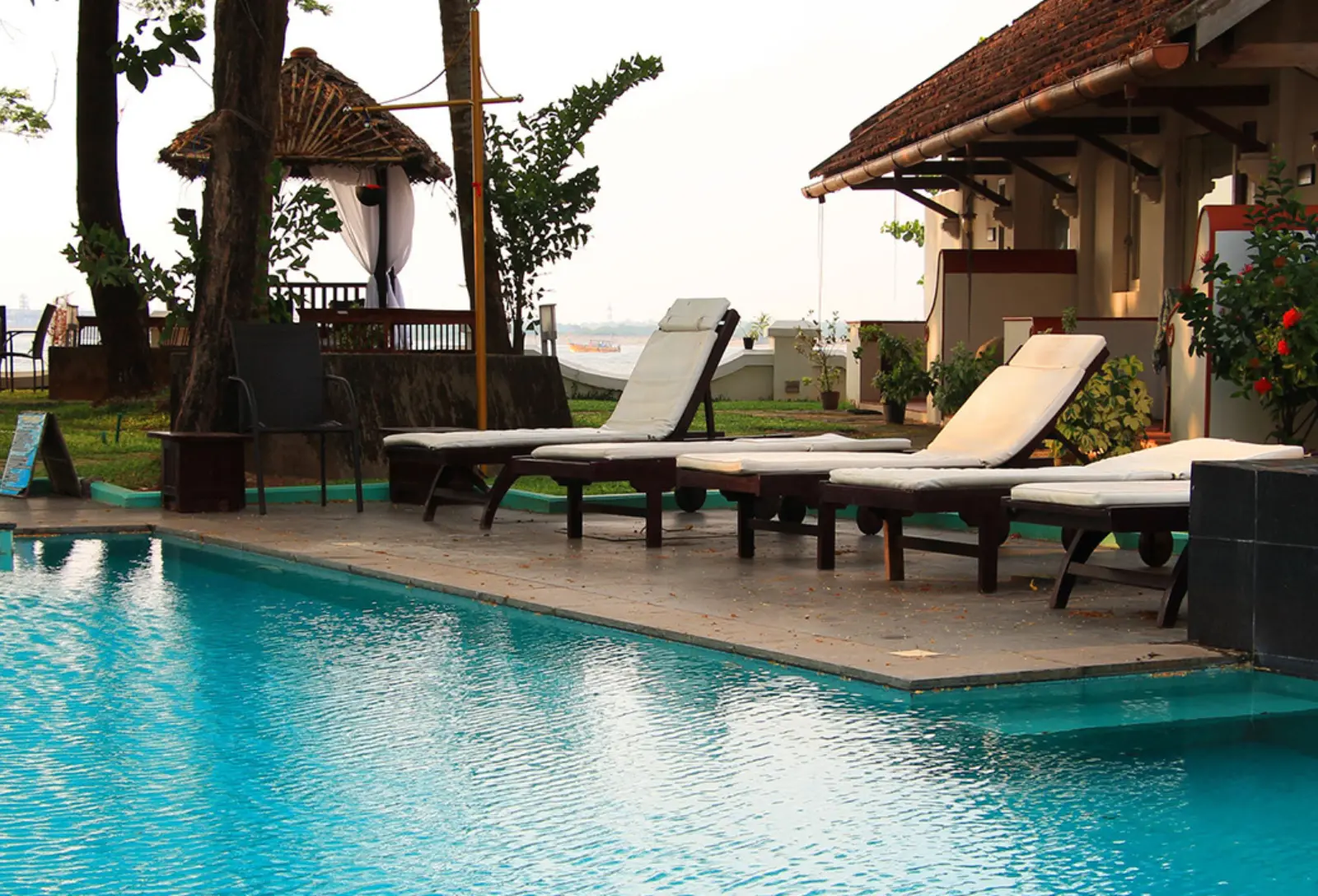
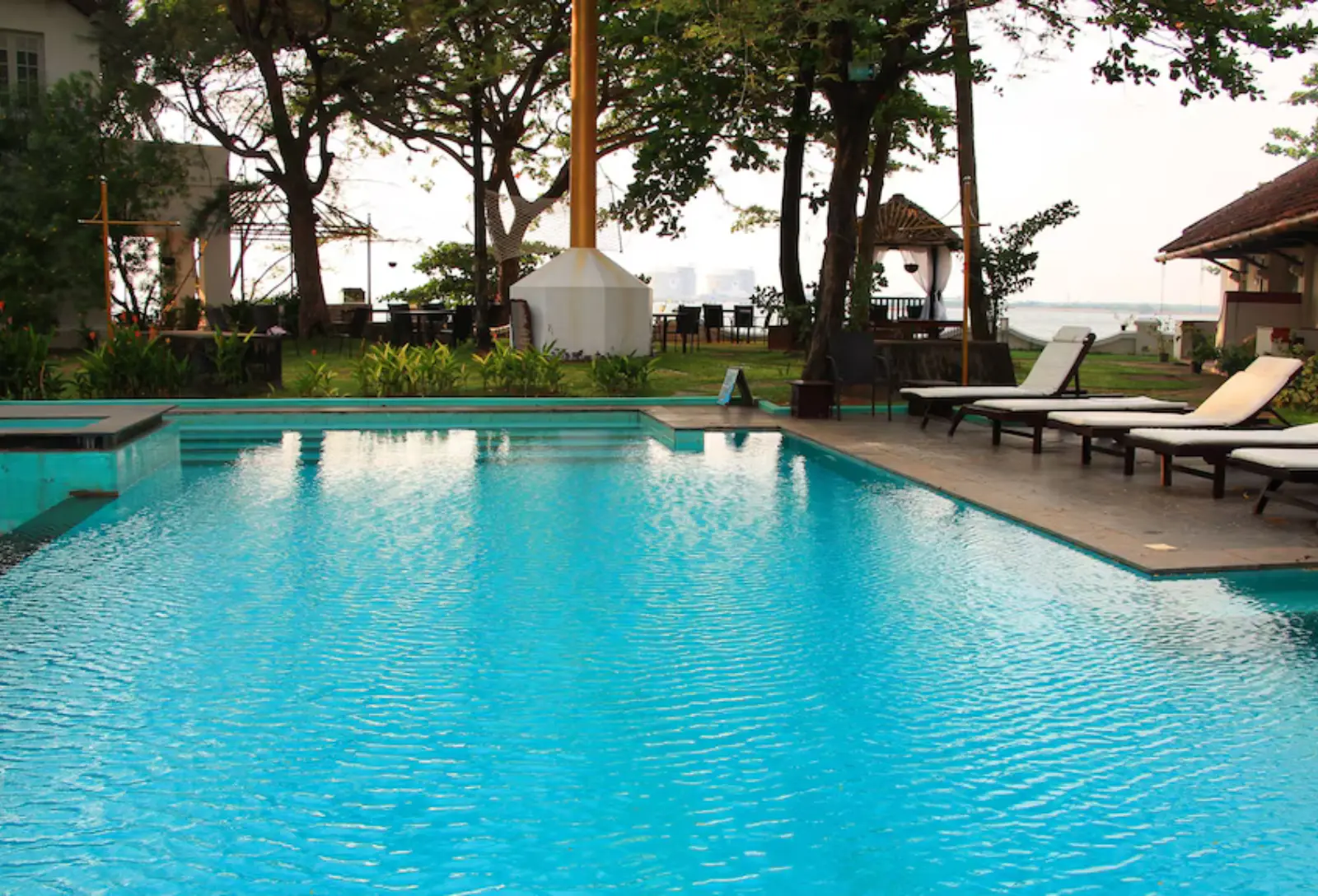
The Old Bristow is a stunning sea view hotel, offers guests a serene escape from their busy lifestyle, the sea view hotel architecture reflects a sweet mix of British colonial design and local Kerala influences, featuring high ceilings, antique furnishings, and lush tropical gardens. Guests can enjoy elegantly in this sea view hotel showcasing Kerala’s rich heritage.
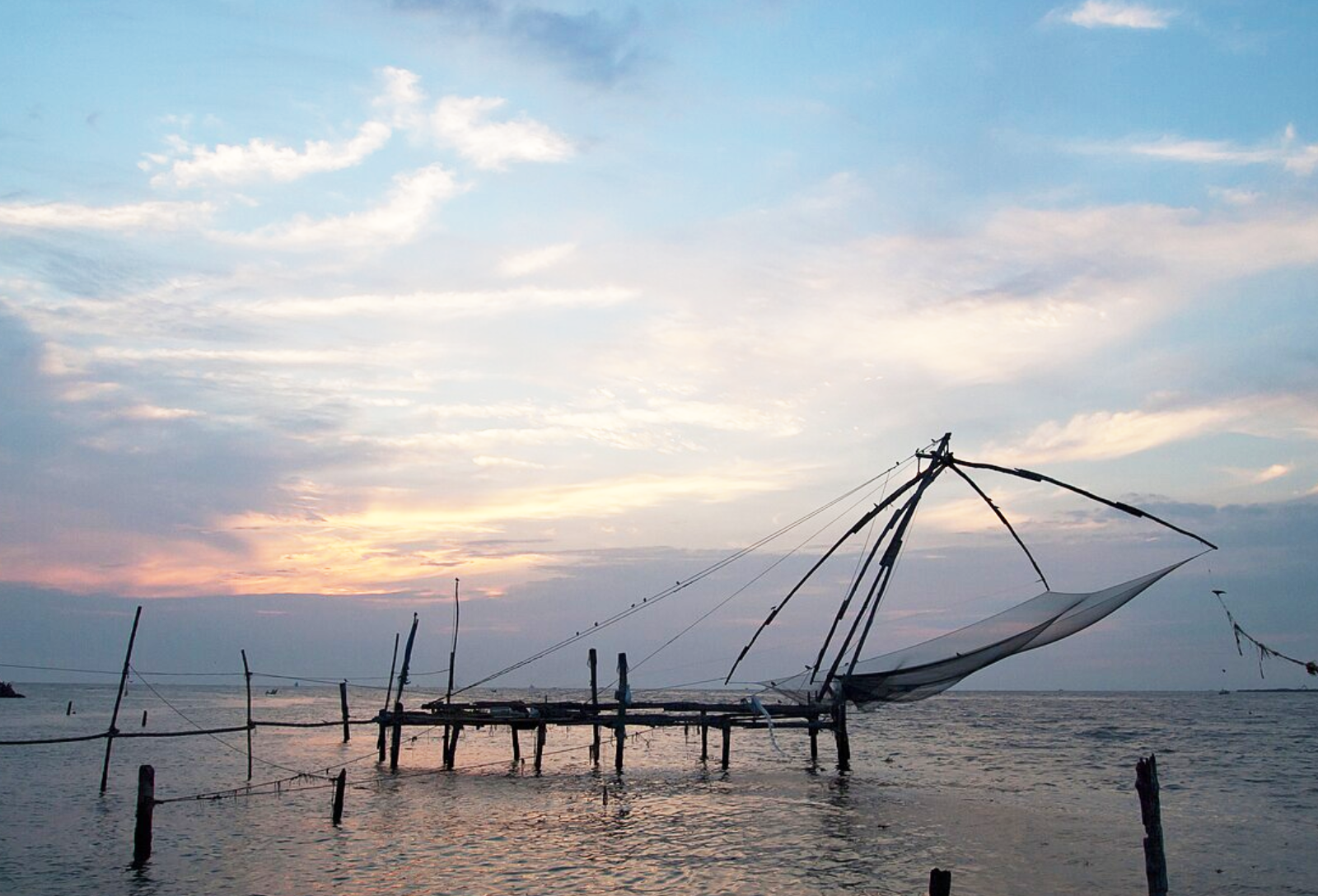
The Old Bristow sea view hotel is located close to Fort Kochi’s key tourist attractions including the Chinese fishing nets, St. Francis Church, and Jew Town. The sea view hotel serves as the perfect base for exploring Fort Kochi’s cultural and artistic treasures. Whether sipping a cocktail by the sea or admiring the city’s timeless craftsmanship, like its famous laces and needlework, visitors are sure to find their stay both relaxing and enriching. The Old Bristow Hotel isn’t just a sea view hotel to stay, it’s a journey into the rich history and vibrant culture of Kochi.
Latest Posts
.png)
.webp)
.png)
.png)
.png)
.jpg)
.png)

.jpg)
.webp)
.jpg)
.webp)
 (1).jpg)


.jpg)
.jpg)
.jpg)
.png)

.jpg)

.jpg)
.jpg)

.jpg)


.png)
Coastal Escapes: Exploring Kochi’s Best Beaches
29 May 2025.jpg)
.jpg)
.jpg)
.jpg)

.jpg)
.jpg)
.jpg)

.jpg)
.jpg)
.jpg)
Shopping in Ernakulam: A Shopaholic's paradise
07 Mar 2025
.jpg)

The Backwaters and Charm of Kochi
27 Feb 2025.jpg)


.jpeg)
 (1) (2).jpg)

