Blogs
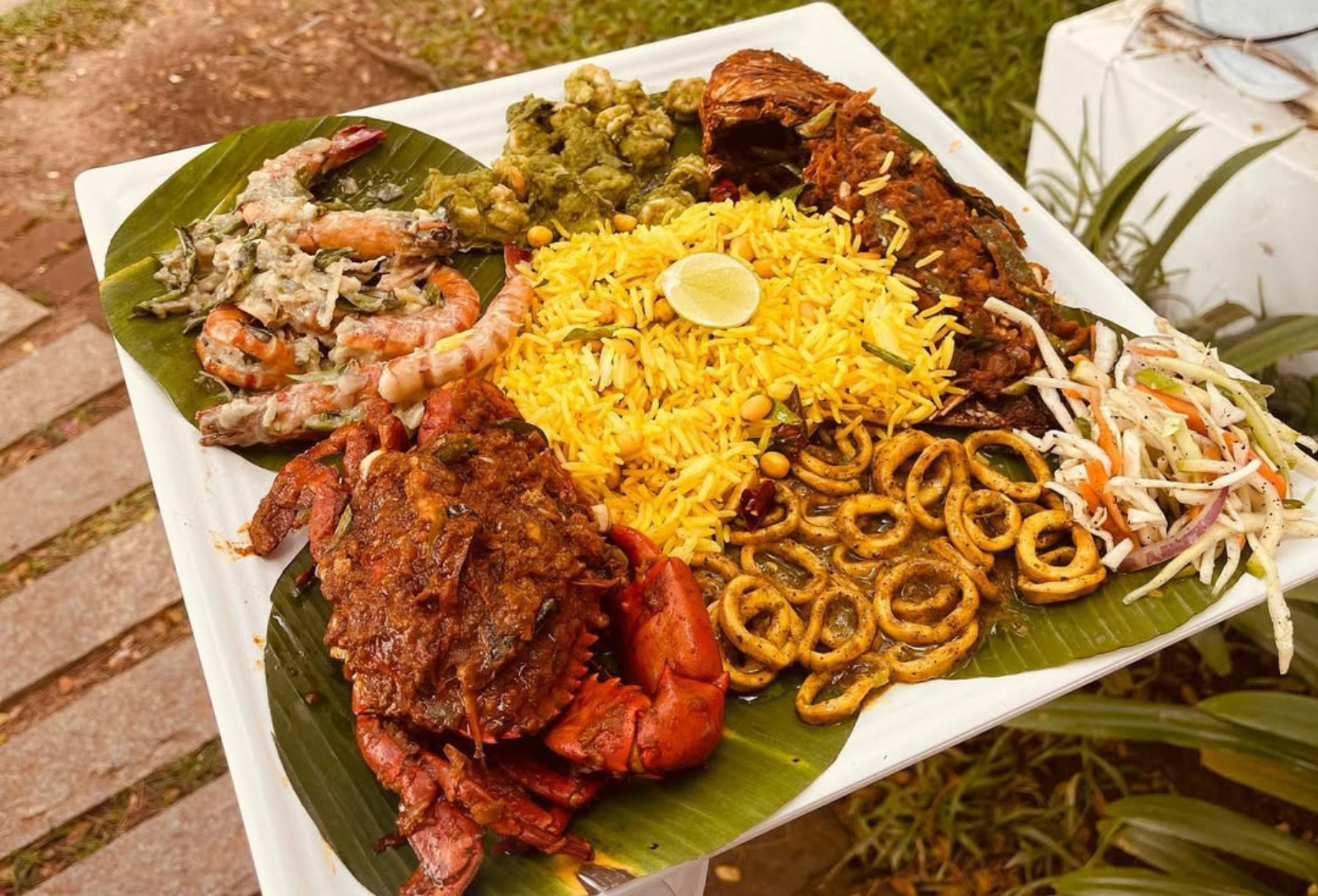
A Culinary Journey Through Kerala’s Biriyani Culture: Where Taste, Time, and Tradition Meet
On a bright Sunday morning, as I scrolled through my tablet, I stumbled upon a dish called biriyani. What began as a passing image led me into a story shaped by journeys and time. With roots tracing back to Persian kitchens, biriyani travelled across lands, adapting quietly as it went.
When it reached India, the dish found many expressions. In Kerala, it became gentler and more restrained, guided by patience rather than excess. Rice, spice, and time came together without urgency.
That morning’s curiosity lingered. Not just about biriyani, but about a culture that treated food as something to be savoured, not hurried.
Biriyani as a Reason to Travel
For many, biriyani is not something you discover along the way. It is the reason you come. The anticipation begins before arrival, built on stories, recollections, and comparisons. In Kerala, this anticipation is met with quiet confidence. The food does not rush to impress. It invites you to sit with it.
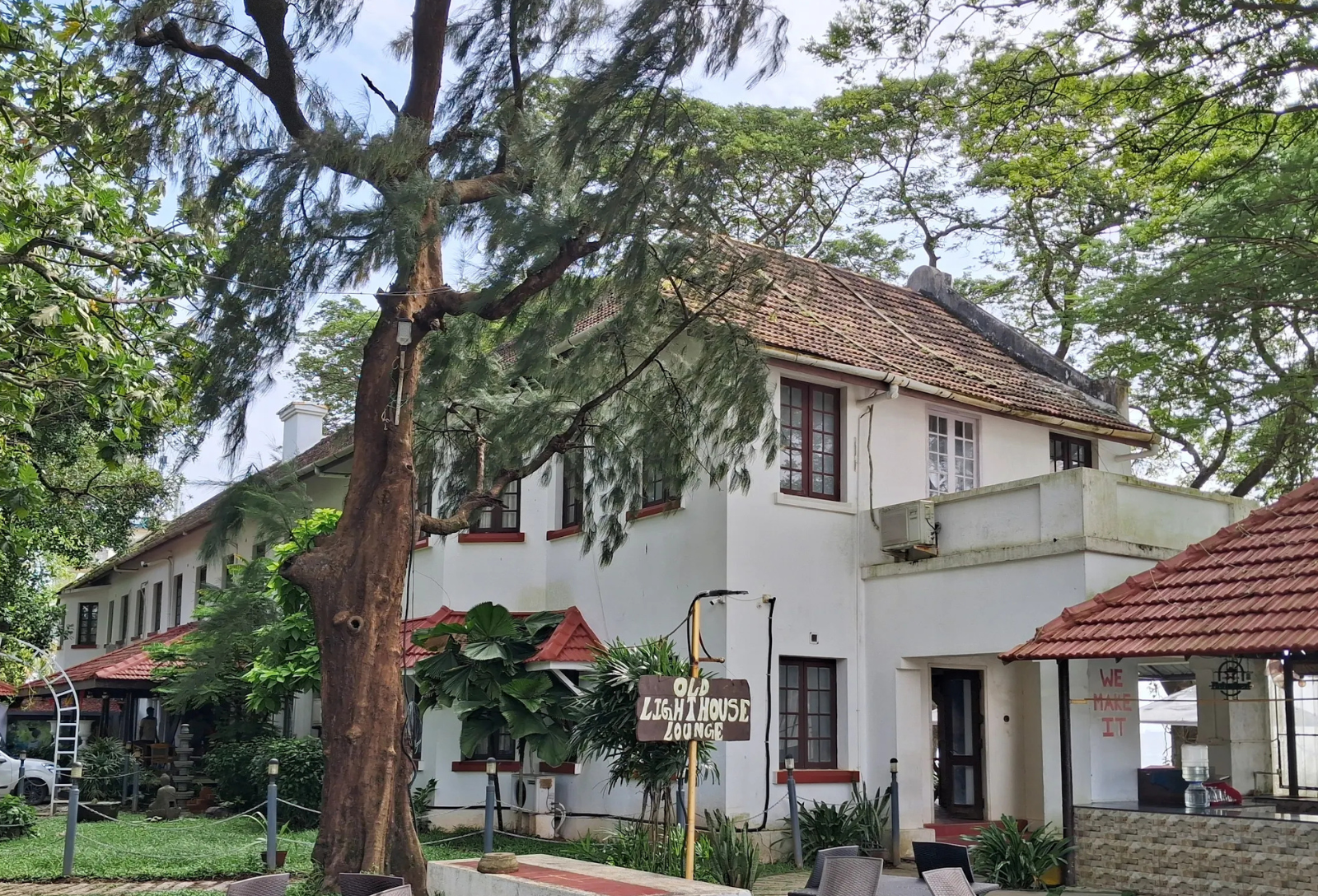
Here, biriyani is not about excess or spectacle. It is about balance. About letting flavours arrive gently rather than all at once. It reflects the land it comes from, where patience is valued and time is treated as an ingredient. This same philosophy carries into places like The Old Lighthouse Bristow Hotel, where experiences are allowed to unfold without haste.
A Culture That Cooks Slowly
Kerala’s relationship with biriyani is rooted. Rice is cooked with care, each grain separate yet cohesive. Spices are layered gradually, never overpowering, always considered. Meat is allowed to soften in its own time.
Nothing is hurried. Nothing is forced.
Cooking biriyani here mirrors the rhythm of daily life. It is a process of waiting, tasting, and trusting. That rhythm continues beyond the kitchen, especially when you return to the quiet comfort of The Old Lighthouse Bristow Hotel, where rest becomes part of the journey rather than a pause from it.
Many Biriyanis, One Philosophy
Across Kerala, biriyani changes character from region to region. Some are lighter, fragrant with ghee and whole spices. Others are deeper, richer, meant to be eaten slowly. Yet beneath these variations lies a shared philosophy. Flavour should settle, not shout.
Each biriyani reflects its surroundings. Coastal influences, inland traditions, and family habits passed down quietly. This sense of place feels particularly intact in Fort Kochi, where food, history, and daily life continue to overlap naturally.
Where Time Sits at the Table
What makes biriyani in Kerala truly memorable is not just how it is cooked, but how it is eaten. Meals are not interruptions in the day. They are the day.
Plates arrive, conversations begin, and time loosens its grip. There is no urgency to finish, no pressure to move on. Eating becomes an act of presence rather than a mere act of consumption. After a day shaped by such moments, returning to The Old Lighthouse Bristow Hotel feels less like checking in and more like settling back into stillness.
Fort Kochi and the Ritual of Eating
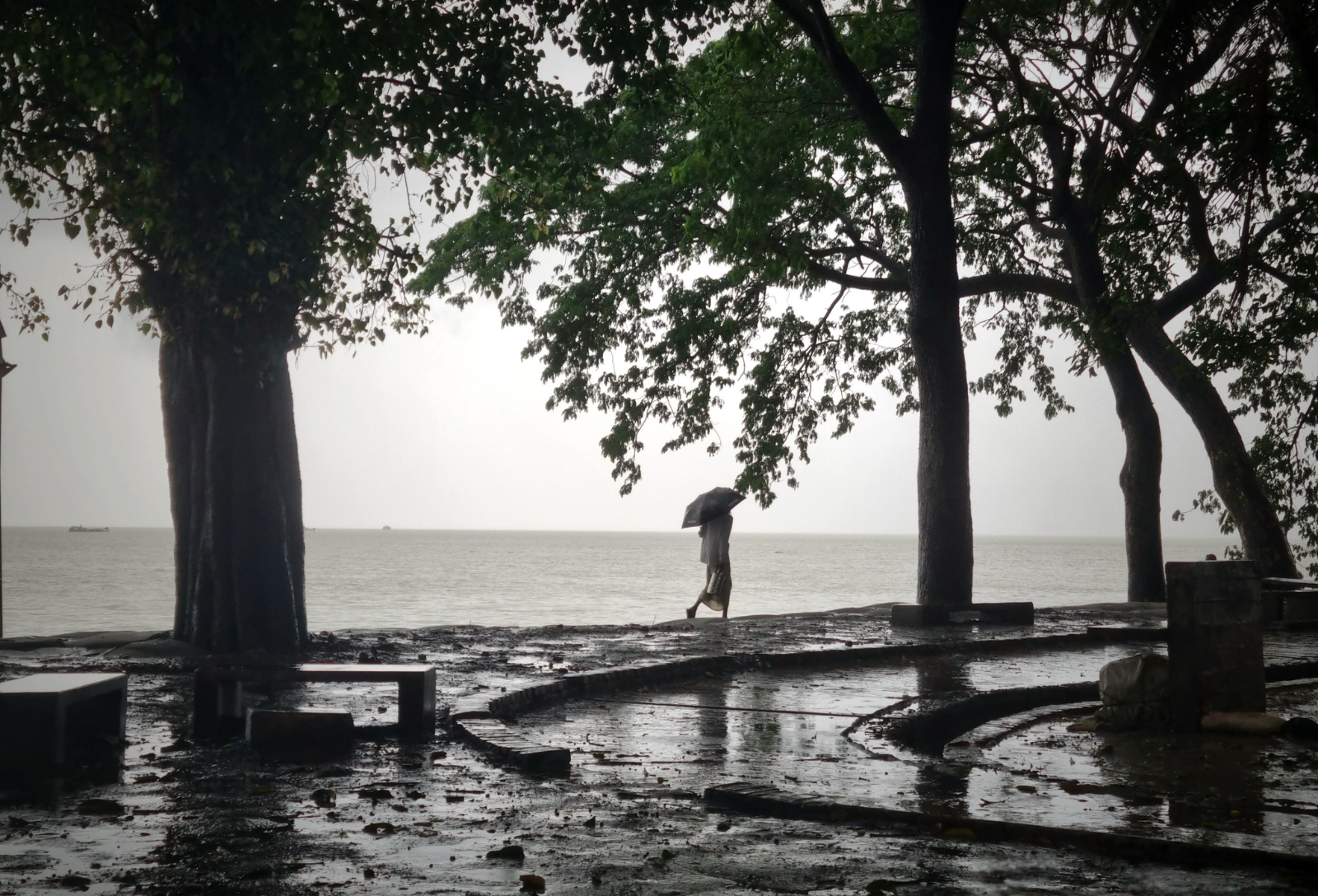
In Fort Kochi, this relationship with food feels especially intact. Walks, not drives, often precede meals. You move through heritage streets, past old walls and shaded corners, arriving at the table already unhurried.
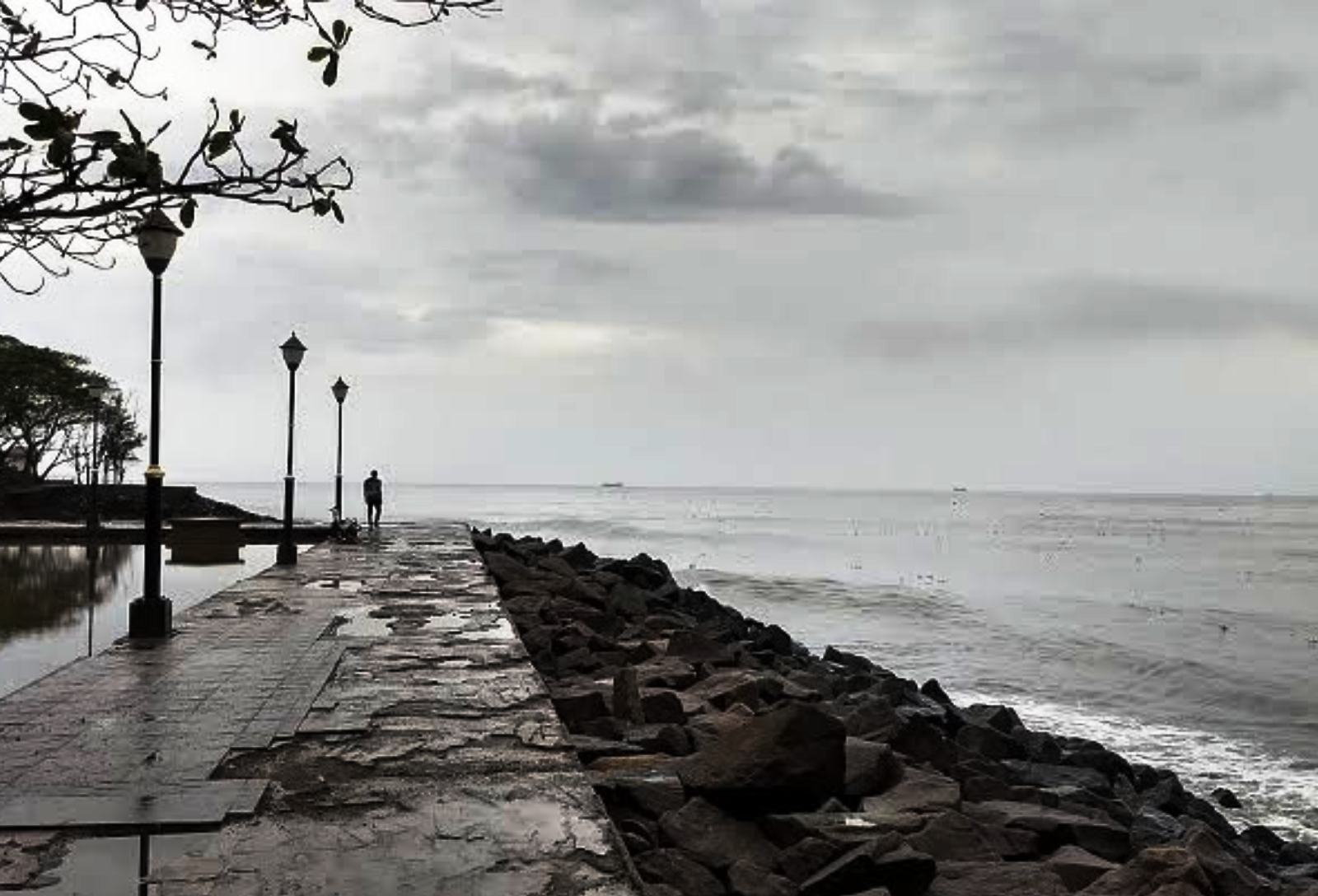
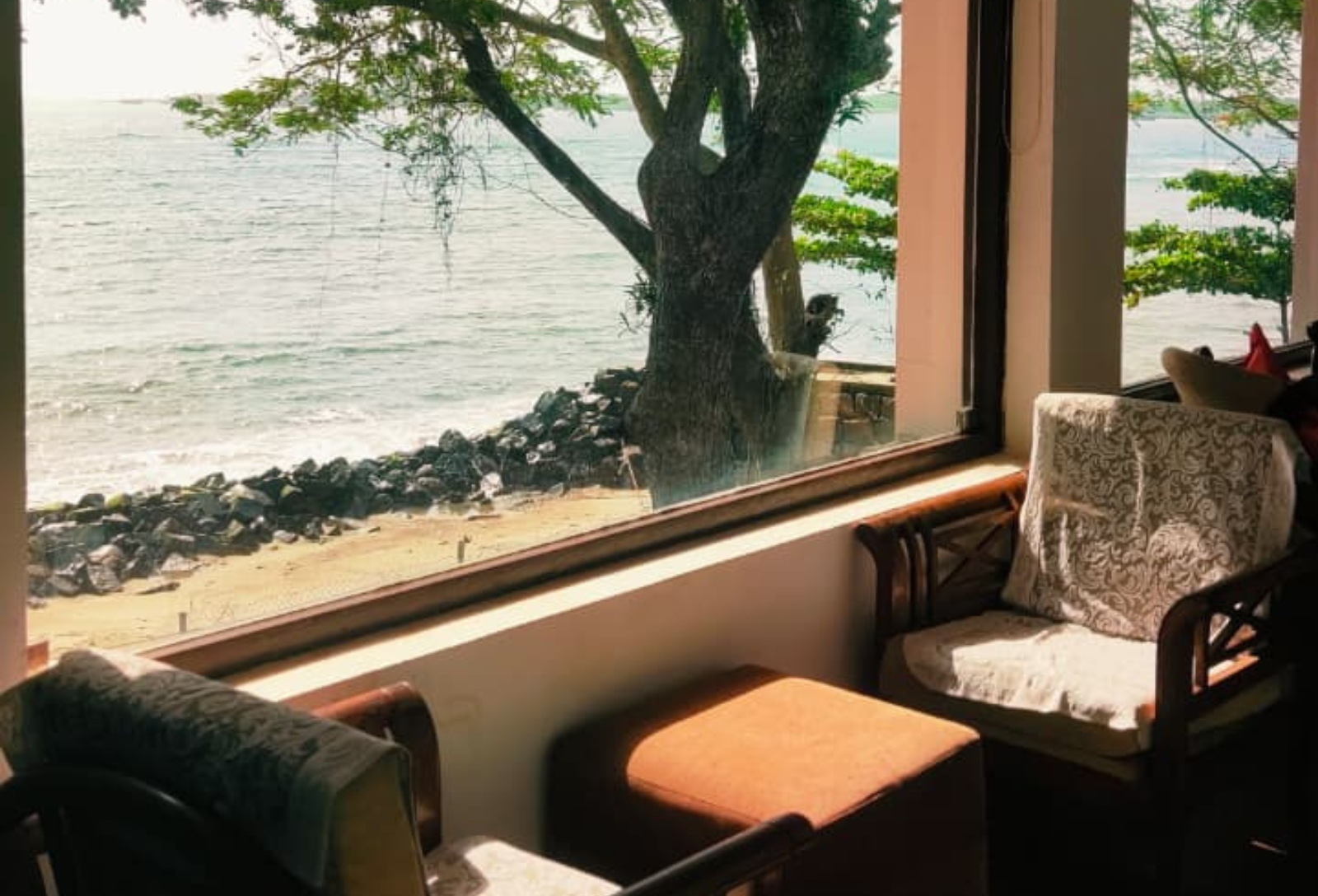
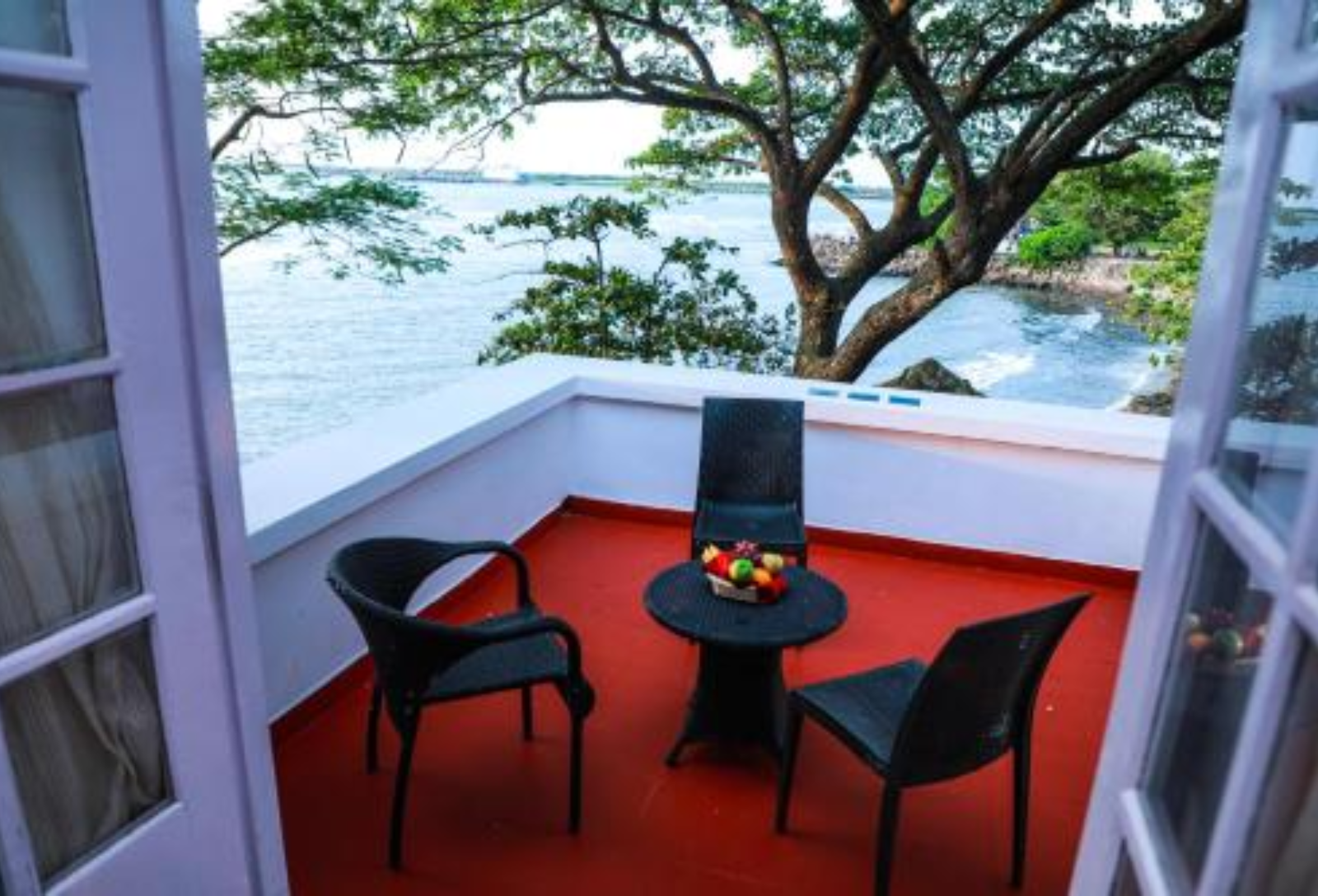
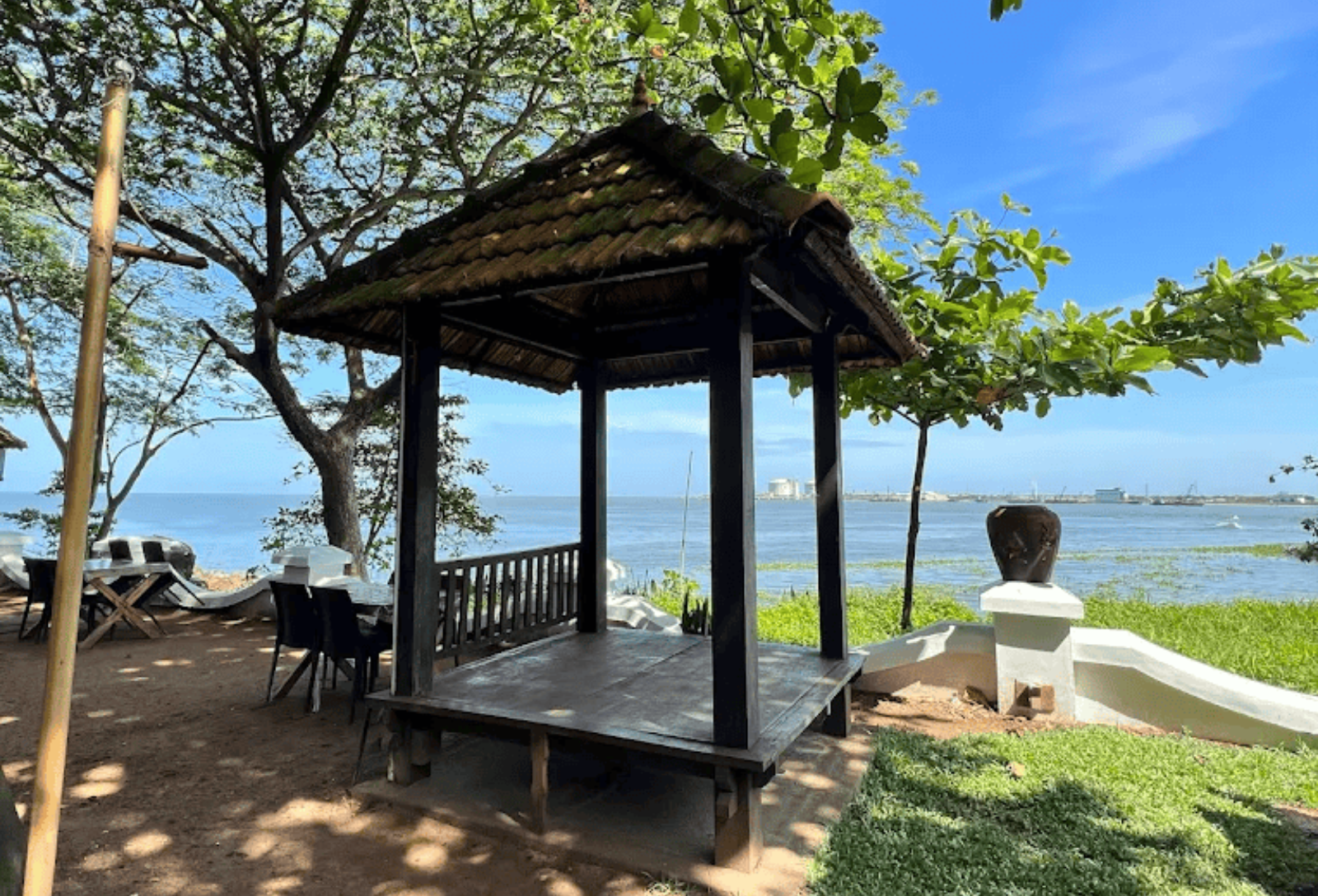
For travellers staying at a Beach Resort Kochi or within the historic heart of the town, food becomes part of the rhythm rather than an event to plan around. At The Old Lighthouse Bristow Hotel, this ease continues into the evening. Biryani discovered across Fort Kochi can be revisited in memory at the hotel’s sea-view restaurant, where beer is available, and the sea holds the background steady.
Here, biriyani is not an occasion. It is a ritual, folded quietly into everyday life.
What You Carry Back
When the journey ends, biriyani follows you home. Not in the same way. You try to recreate it elsewhere, but something feels missing. Not the recipe, but the rhythm.
Kerala’s biriyani teaches you that food is not only about what is served, but how it is experienced. And for those who come in search of it, especially through the streets and tables of Fort Kochi, the reward is not just a meal.
It is a moment that lingers, quietly and completely.
Come discover Fort Kochi with the Old Lighthouse Bristow!
Latest Posts
 (1).jpg)
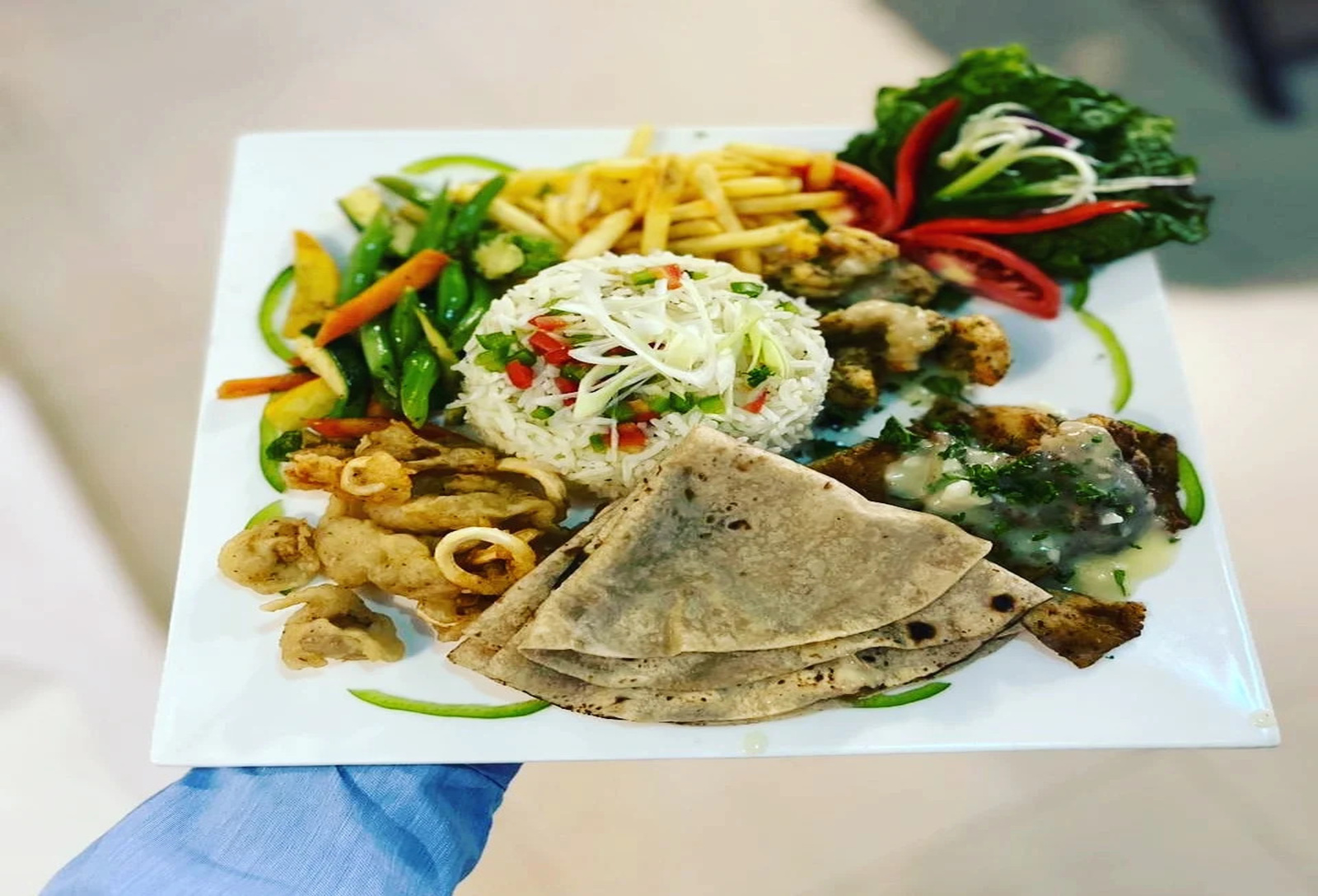
Must-Try Seafood Dishes in Fort Kochi
28 Sep 2026
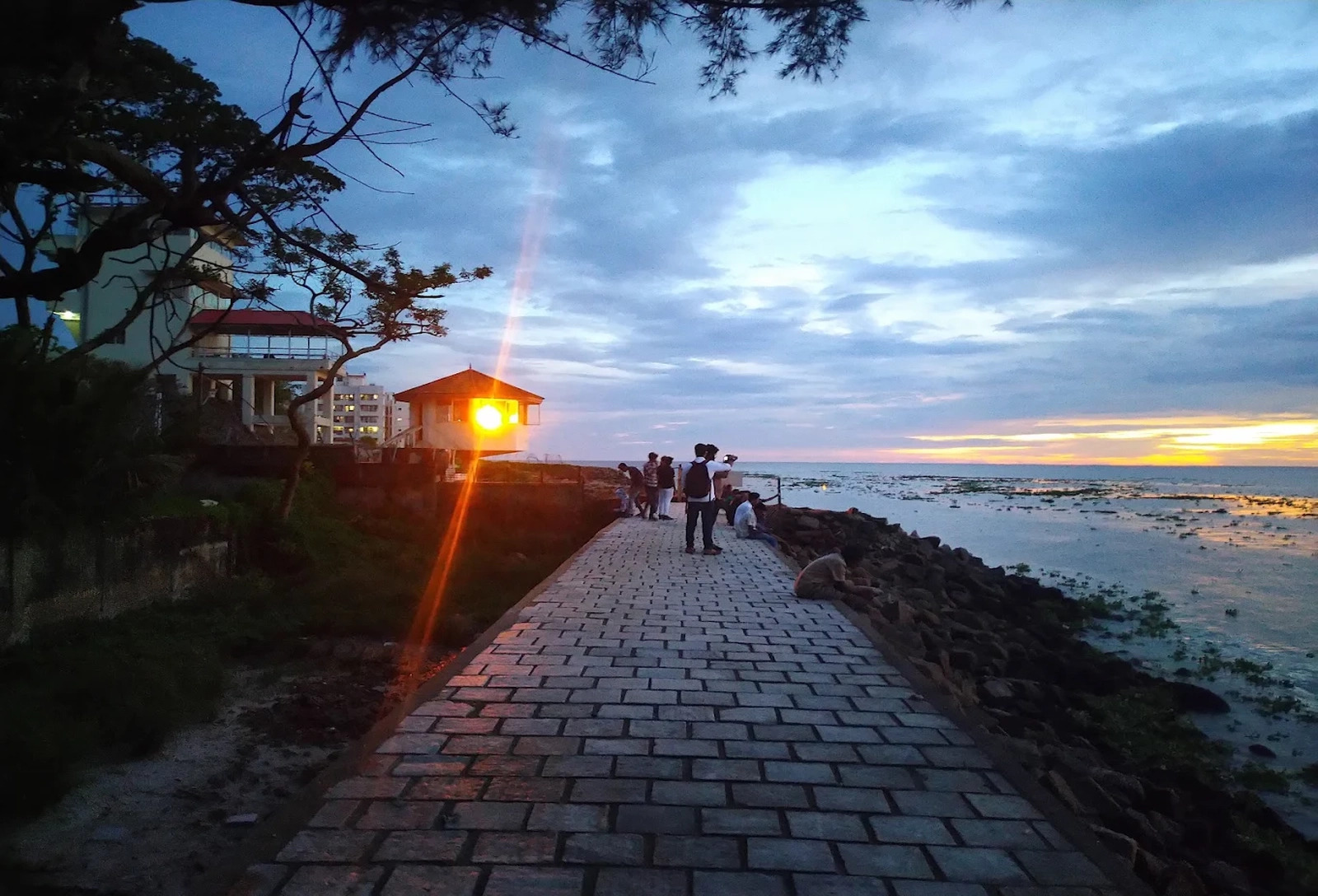
How to Spend a Perfect Weekend in Fort Kochi
09 Sep 2026
.png)
.webp)
.png)

.png)



.png)
.jpg)
.png)

.jpg)
.webp)

.jpg)
.webp)
 (1).jpg)



.jpg)
.jpg)
.jpg)
.png)

.jpg)

.jpg)
.jpg)

.jpg)


.png)
Coastal Escapes: Exploring Kochi’s Best Beaches
29 May 2025.jpg)
.jpg)
.jpg)
.jpg)

.jpg)
.jpg)
.jpg)

.jpg)
.jpg)
.jpg)
Shopping in Ernakulam: A Shopaholic's paradise
07 Mar 2025
.jpg)


The Backwaters and Charm of Kochi
27 Feb 2025.jpg)


.jpeg)
 (1) (2).jpg)

