Blogs
.png)
The Sound of the Sea at Sunrise in Fort Kochi | A Sea View Hotel Experience
Introduction
Most people experience Fort Kochi after breakfast.
They step into the streets once the cafés open, the traffic begins, and the waterfront fills with movement. But the quieter version of Fort Kochi exists much earlier — around six in the morning, when the sea still feels half-asleep and the harbour sounds travel further through the air.
For travellers staying at a sea view hotel, this hour changes how Fort Kochi feels completely.
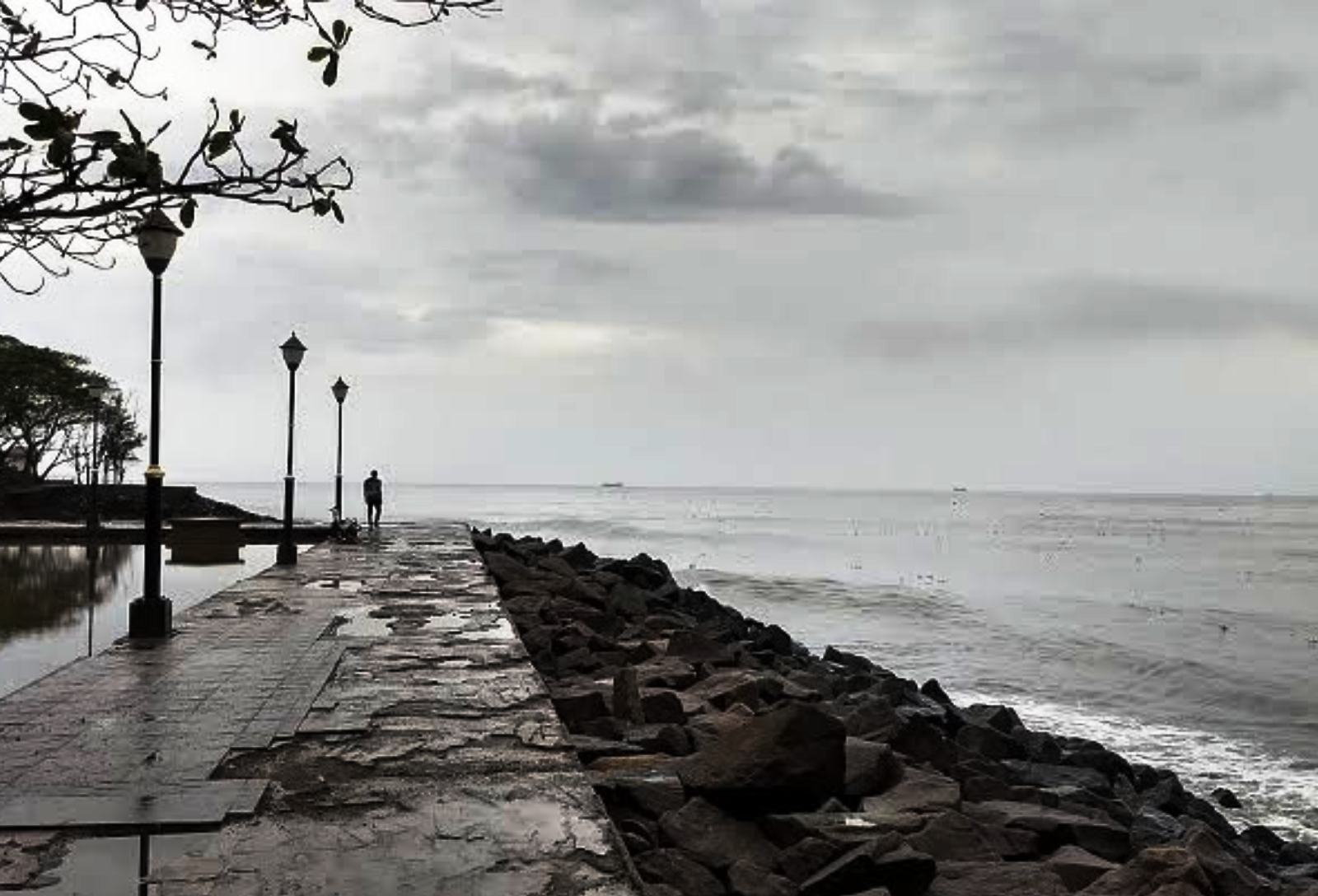
Before the sightseeing begins, before the cafés fill, and before the heat settles into the streets, the waterfront moves differently. The sound of fishing boats replaces traffic. Distant harbour horns echo softly across the water. Even the air feels slower.
And for many visitors, this becomes the part of Fort Kochi they remember most.
The Harbour Wakes Up Before the City
At 6 AM, Fort Kochi does not feel like a tourist destination.
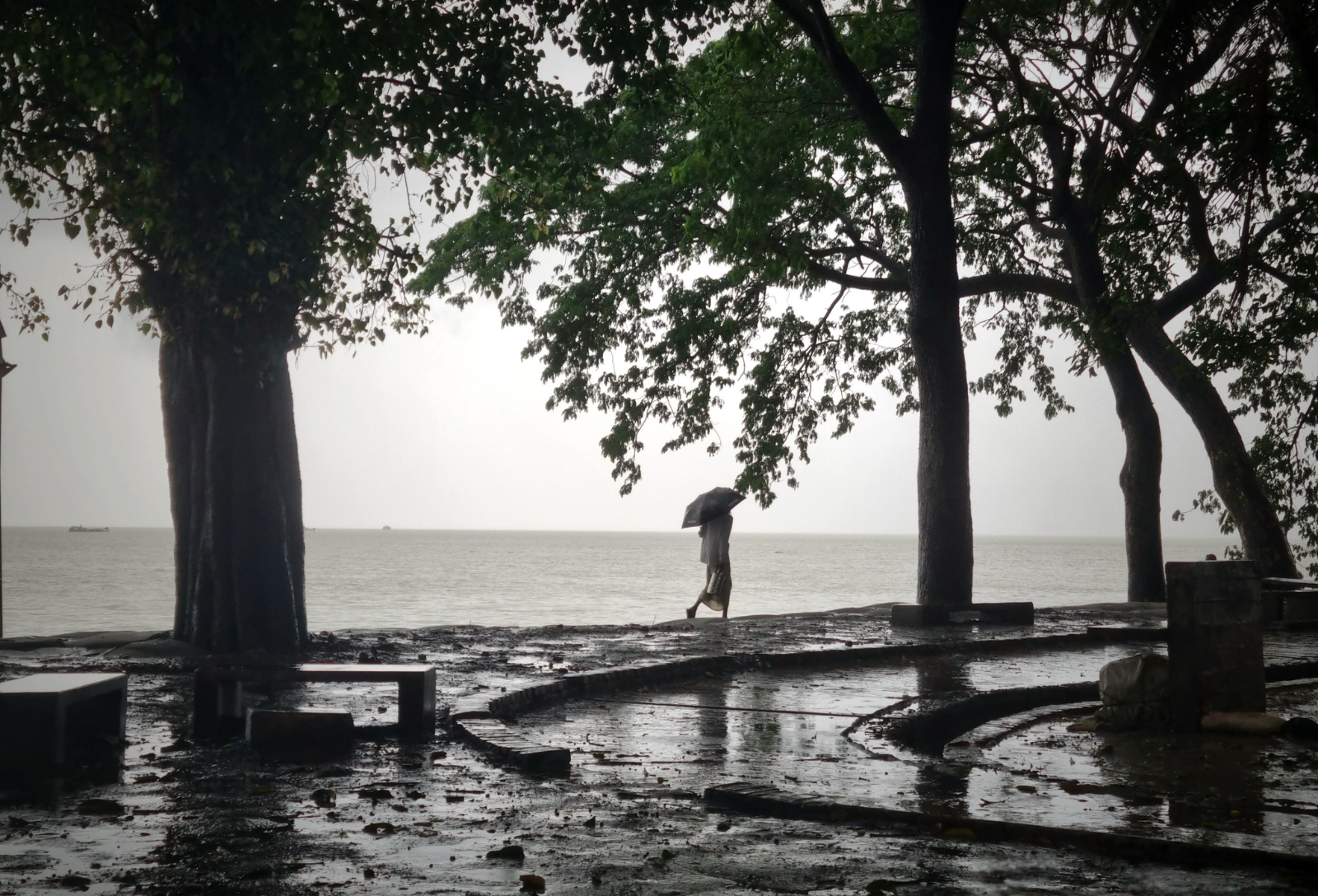
The sea is usually calm, though never silent. Small fishing boats move steadily across the harbour while larger vessels wait further away near the port. Somewhere in the distance, metal shifts against wood. Ropes drag softly against the dock. Seabirds circle low over the water before disappearing toward the fishing nets.
The sounds are subtle, but they create a rhythm unique to waterfront places.
People staying near the harbour notice this immediately. The sea does not wake up all at once. It unfolds slowly, sound by sound.
This is one of the reasons many travellers now prefer sea view hotels over accommodations located deeper within the city. The atmosphere near the waterfront feels connected to the real pace of Fort Kochi.
Why Early Mornings Feel Different Near the Waterfront
Fort Kochi takes on a different atmosphere as the day moves from morning to night.
By afternoon, the streets become active with cafés, tuk-tuks, tourists, and gallery visitors. But early mornings still belong mostly to the harbour, fishermen, local walkers, and the sea itself.
There is also a noticeable difference in temperature and light.
The air carries salt more strongly in the morning. The sunlight arrives slowly across the water instead of directly overhead. Even the colonial buildings around the waterfront appear softer before the day fully begins.
For travellers used to crowded urban routines, these quieter hours often feel unexpectedly restorative.
Slower Travel Begins with Slower Mornings
Many people arrive in Fort Kochi with tightly planned itineraries:
- cafés to visit
- attractions to photograph
- restaurants to try
- ferry rides to catch
But the travellers who enjoy Fort Kochi most are usually the ones who stop rushing after the first day.
The destination naturally encourages slower movement.
You notice it in the harbour mornings, in the long waterfront walks, and even in the way breakfast stretches longer near the sea. People spend more time sitting outside, watching boats move through the water instead of constantly moving between locations.
That slower pace is difficult to create artificially. It comes from staying close enough to the waterfront to experience the rhythm of the place itself.
The Connection Between Waterfront Stays and Memory
Many travellers remember places through sounds more than visuals.
In Fort Kochi, mornings often become attached to:
- harbour horns in the distance
- waves moving against the seawall
- fishing boats returning slowly
- birds circling above the water
- footsteps along quiet colonial streets
These are the kinds of details that may not appear in travel brochures, but they often define how people remember a destination long after their journey is over.
A waterfront stay changes this experience completely because the sea becomes part of the day rather than something visited briefly between activities.
That is why travellers searching for a heritage hotel near the waterfront are often searching for atmosphere without fully realising it.
Seafood, Morning Markets, and Coastal Life
Early mornings in Fort Kochi also reveal how deeply the area remains connected to the sea.
Fresh seafood arrives before most visitors wake up. Fishing activity begins long before restaurants open for lunch. The harbour still influences daily life in ways many tourists overlook completely.
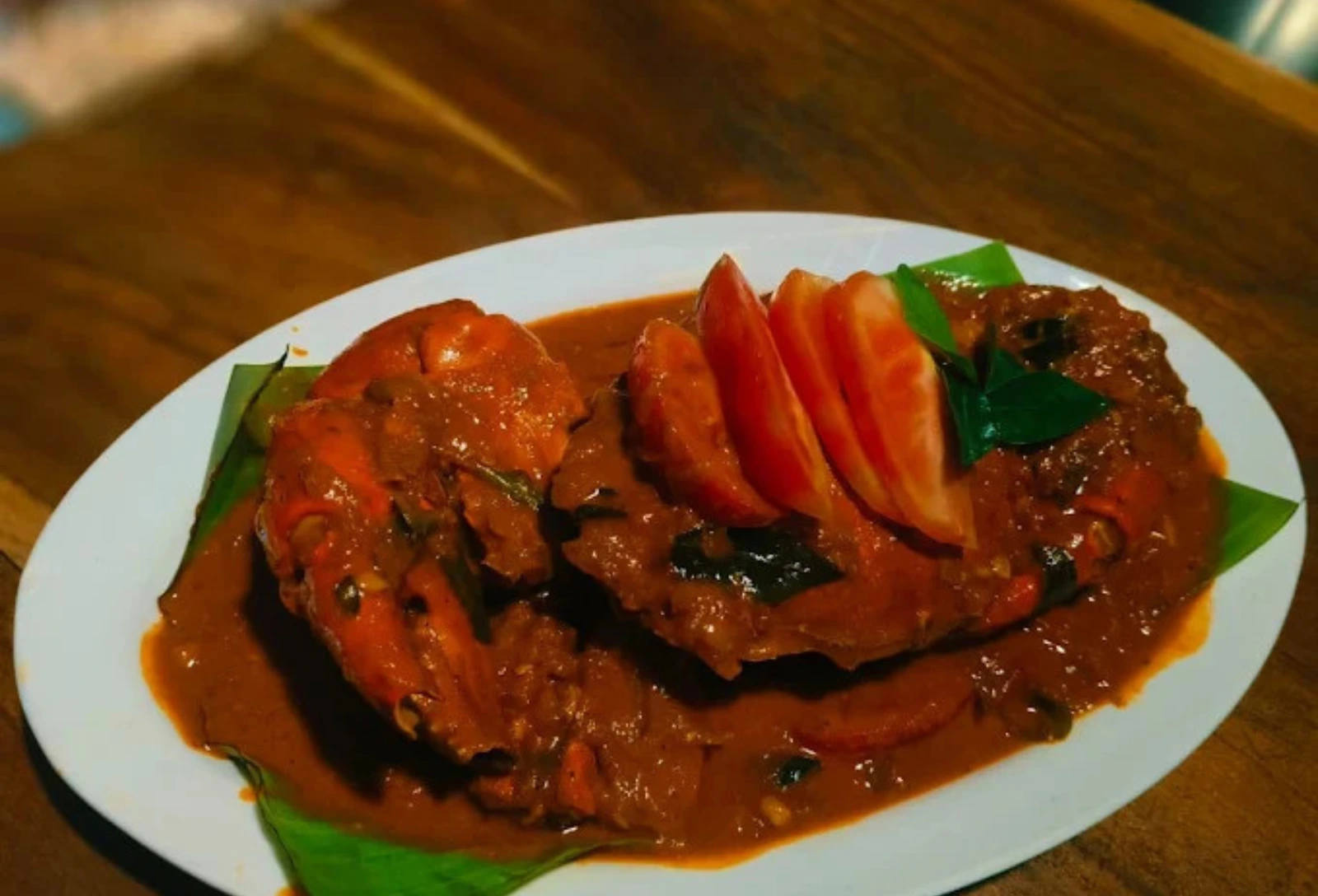
This connection becomes more visible later in the day at many waterfront dining spaces and seafood restaurant experiences around Fort Kochi.
The seafood culture here does not feel staged for tourism. It feels tied to the harbour itself.
That authenticity is part of what makes dining near the waterfront feel different compared to standard city restaurants.
Why Waterfront Heritage Stays Feel More Personal
Modern hotels often isolate guests from the location around them.
You could wake up inside many hotels and barely know which city you are in.
Waterfront heritage stays in Fort Kochi feel different because the surroundings remain part of the experience:
- sea breeze enters the mornings
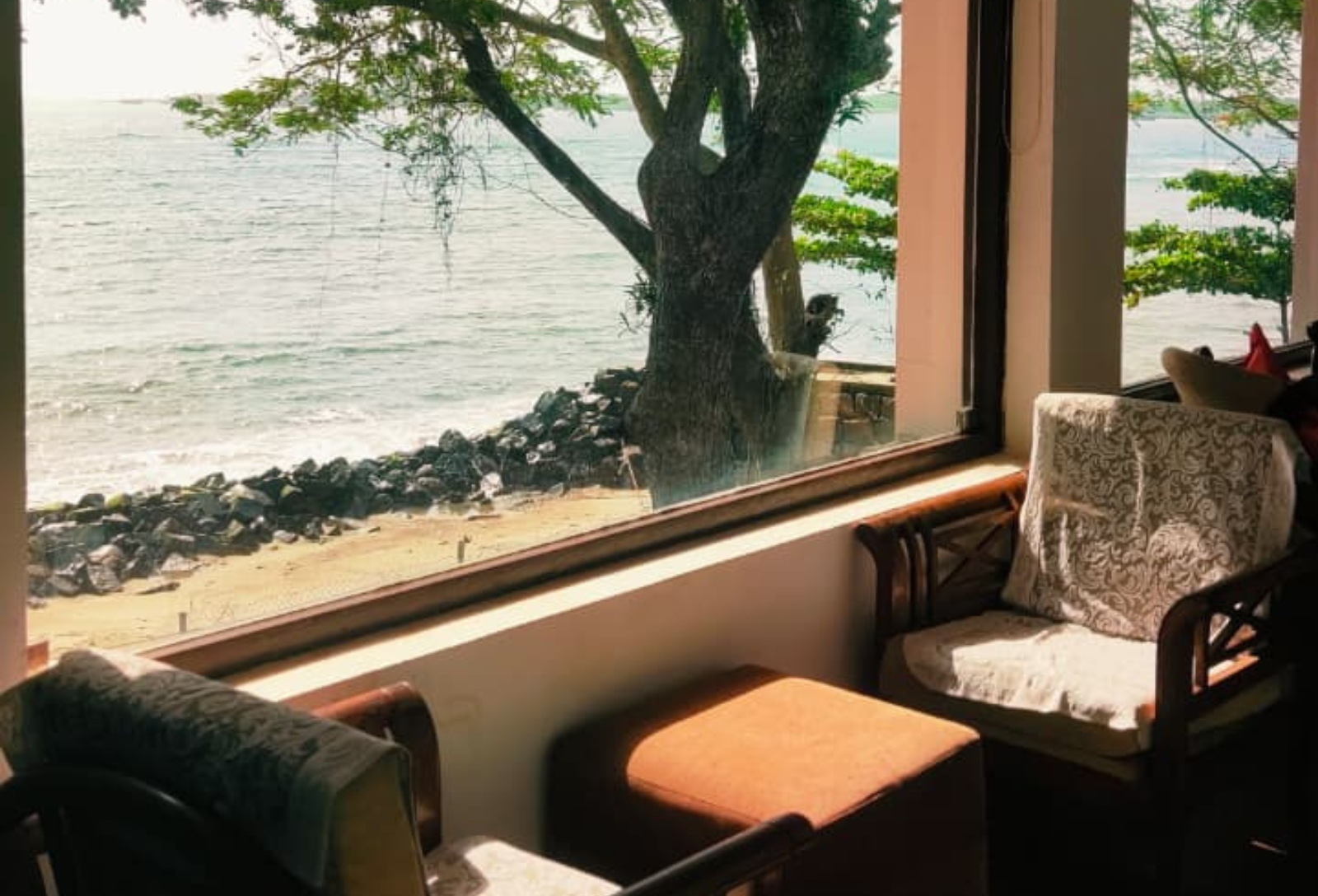
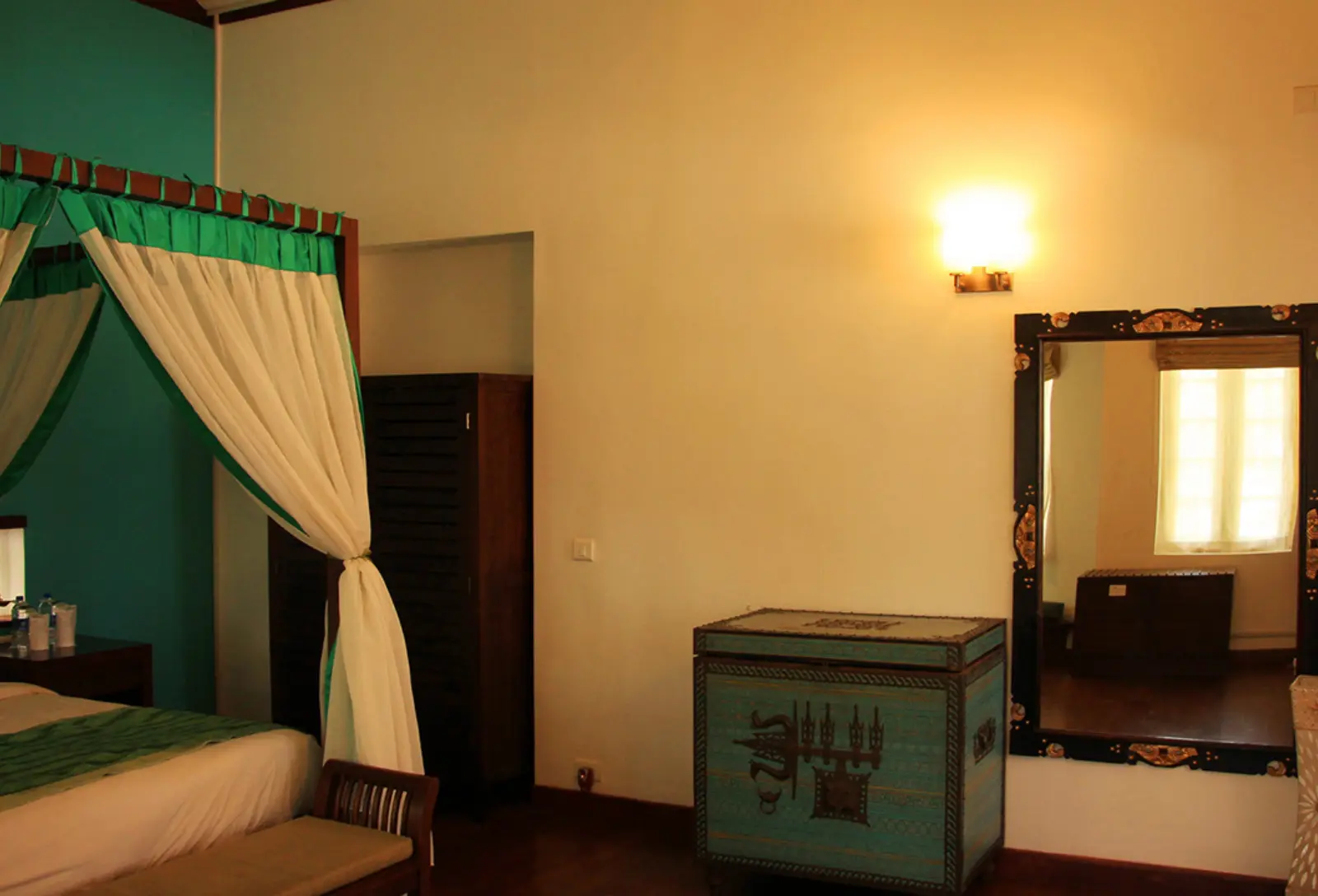
- harbour sounds reach the rooms
- colonial architecture reflects the area’s history
- the pace feels slower and less commercial
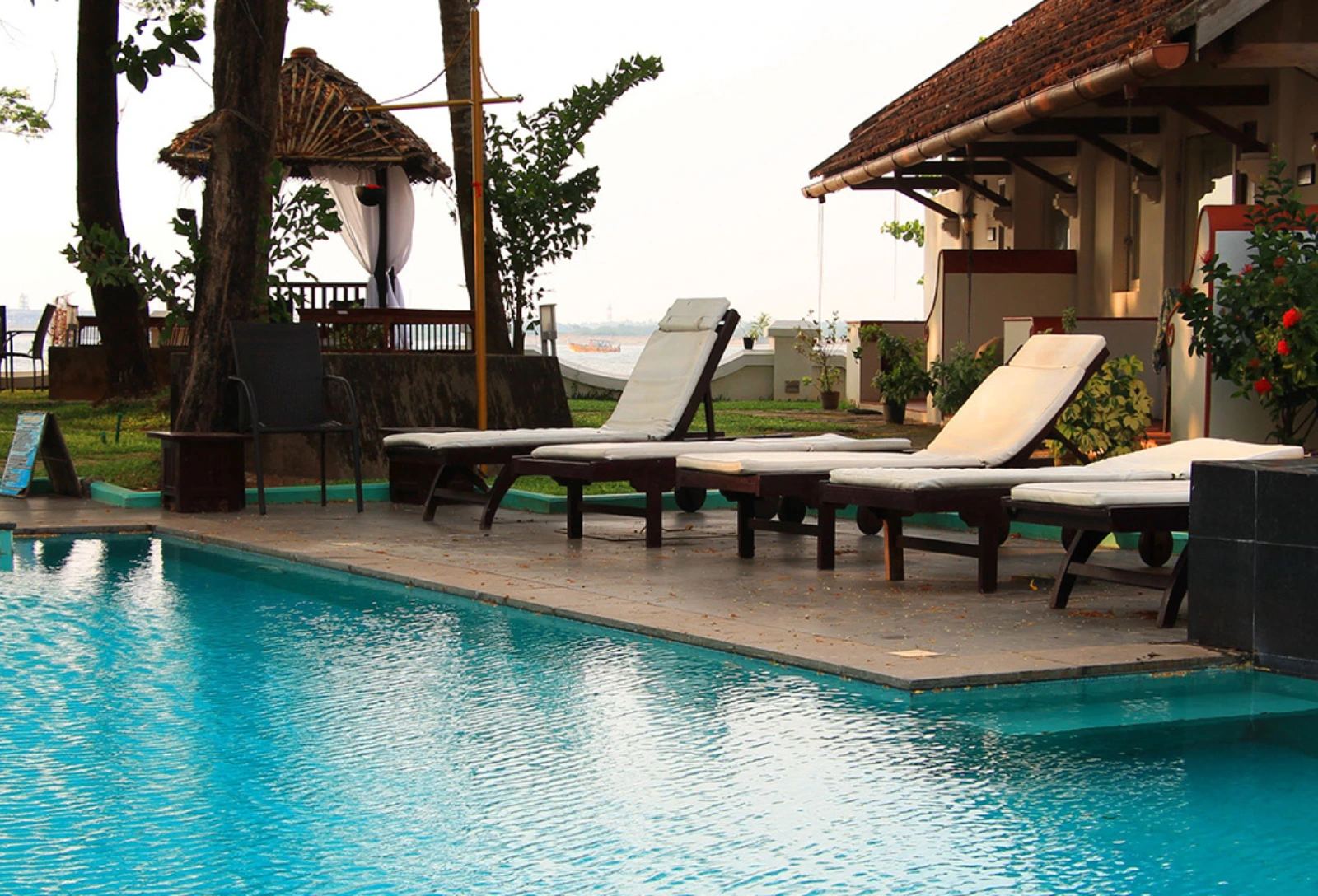
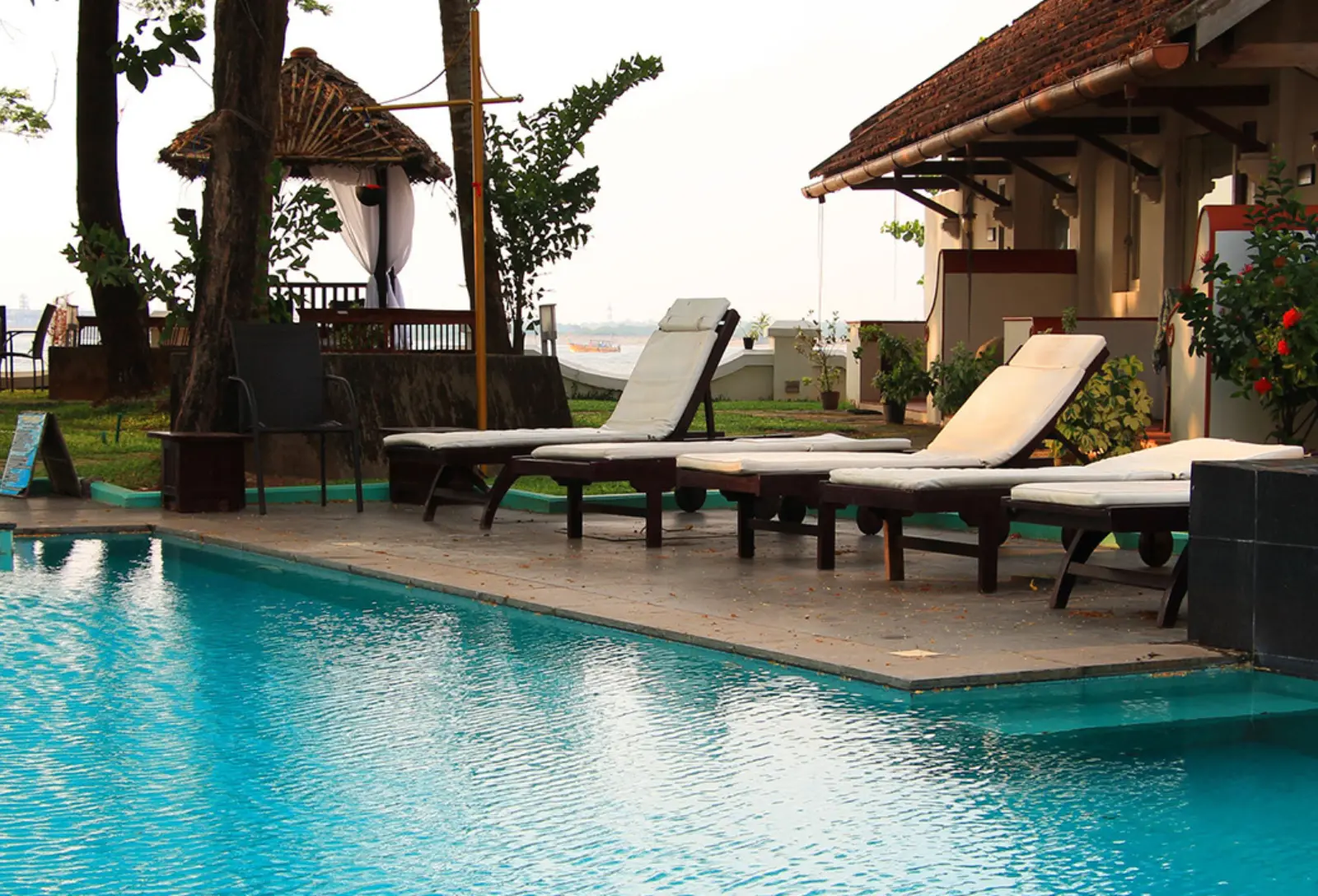
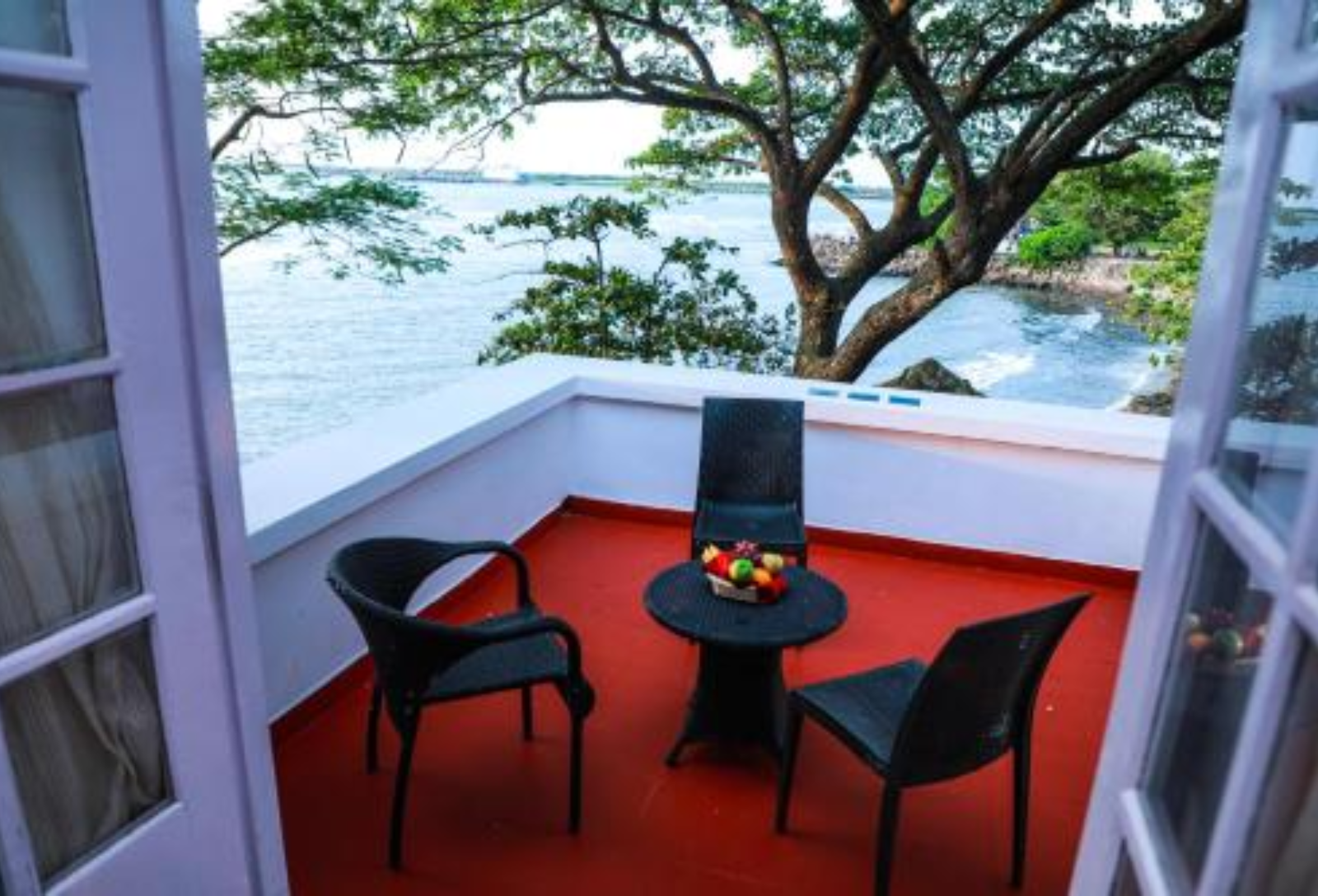
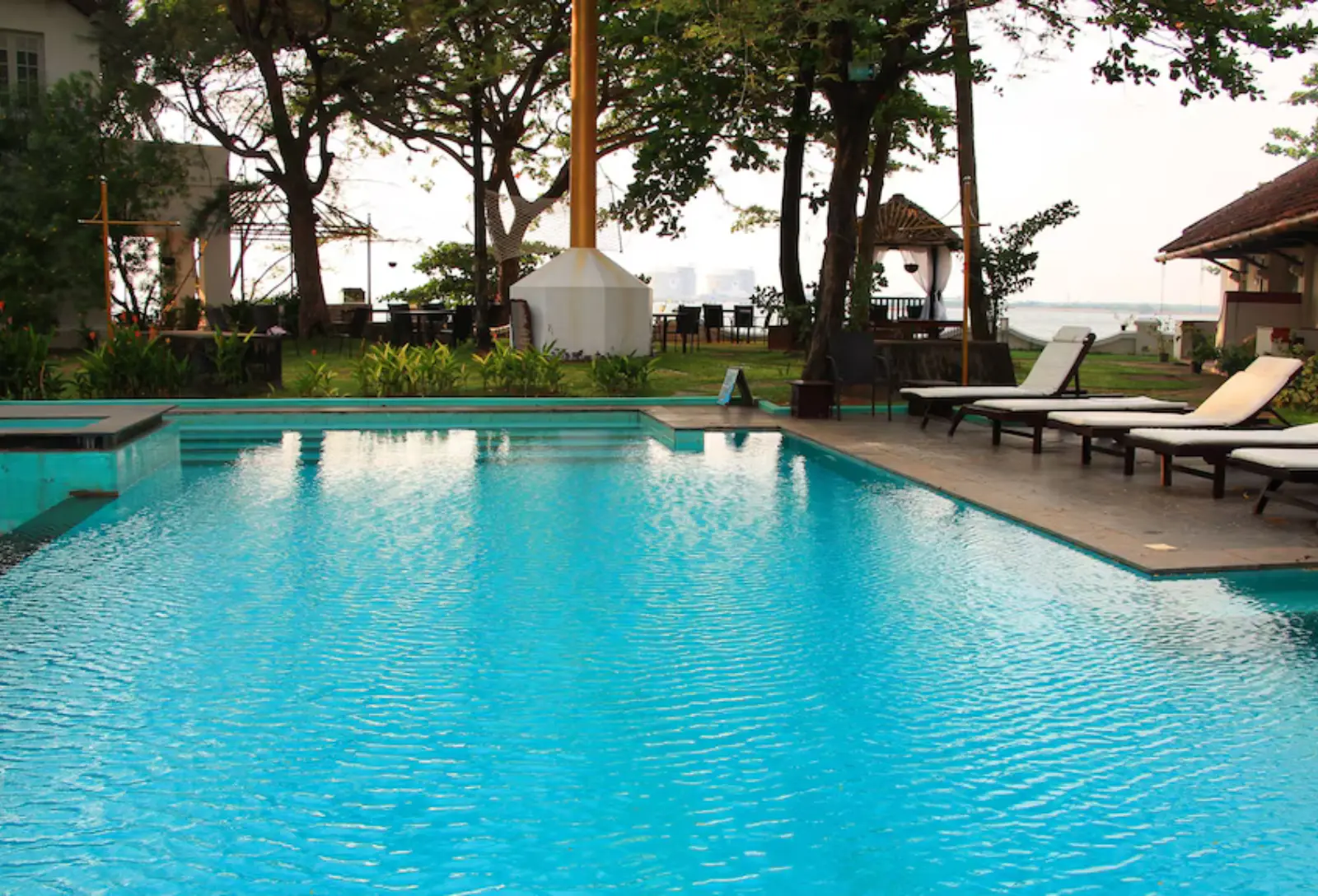
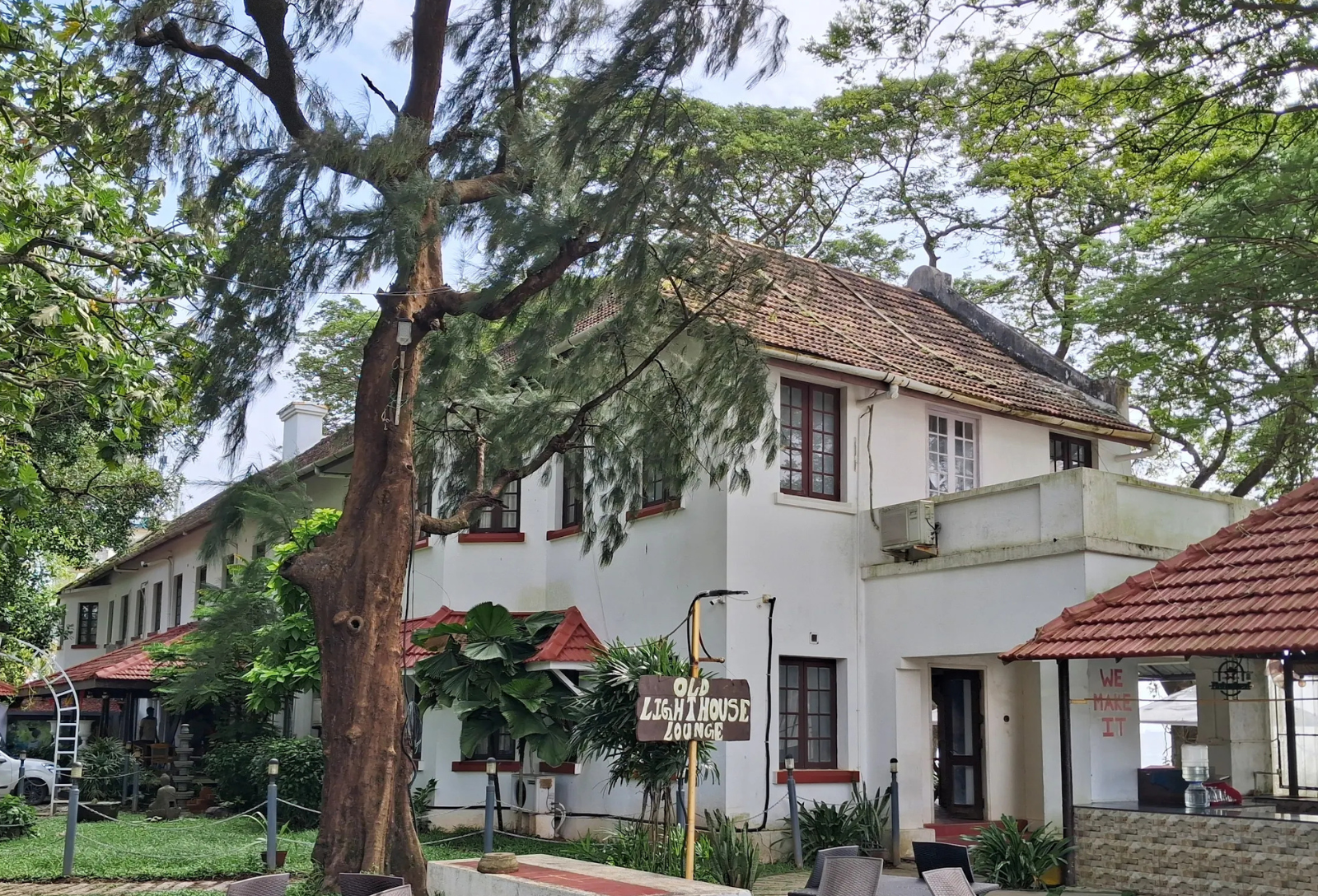
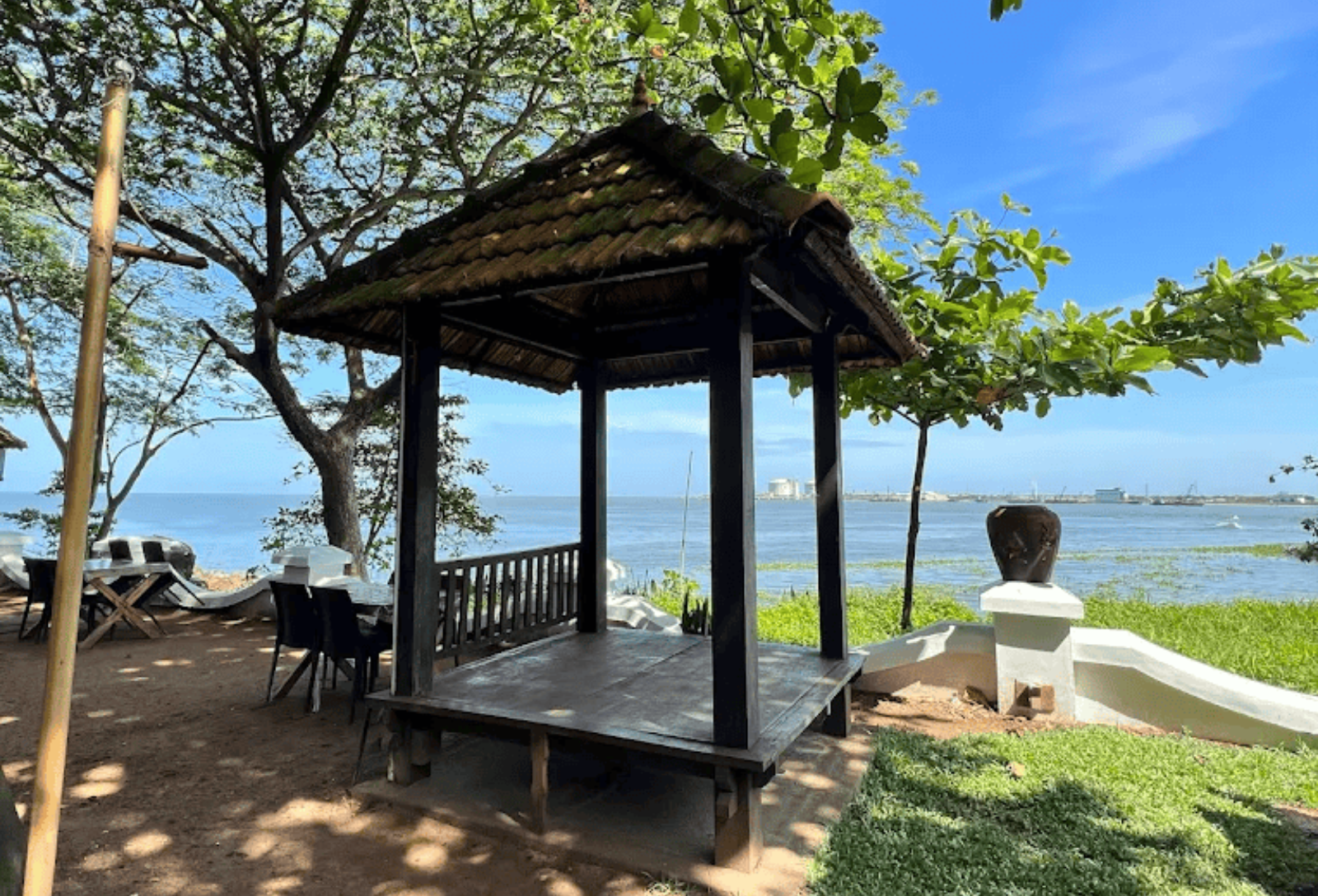
At places like Old Lighthouse Bristow, the relationship between the property and the waterfront still feels visible. The sea is not a backdrop added for aesthetics. It influences the mood and atmosphere throughout the day.
Fort Kochi Is Best Experienced Before the Day Fully Begins
Most travel experiences happen on schedules.
Fort Kochi’s best moments often happen before plans begin at all.
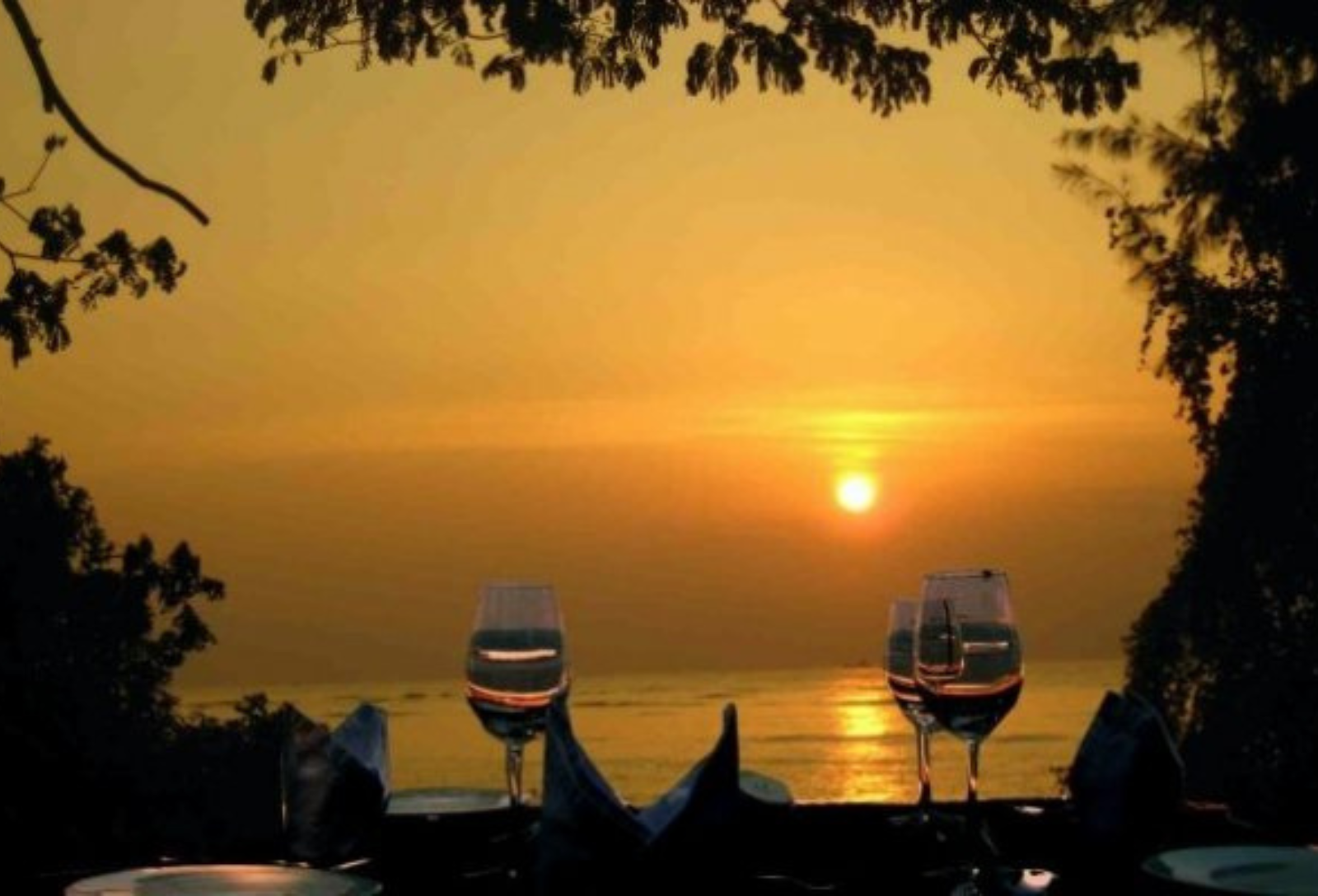
A quiet harbour morning, the sound of fishing boats moving through the water, and breakfast beside the sea can reveal more about the character of the place than a full day of sightseeing.
For travellers searching for a sea view hotel in Fort Kochi, these quieter experiences often become the reason the destination stays memorable long after the trip ends.
Conclusion
At six in the morning, Fort Kochi feels less like a tourist destination and more like a living waterfront town shaped by the sea around it.
The sounds are softer. The streets are slower. The harbour still controls the rhythm of the morning.
For travellers looking beyond crowded itineraries and commercial tourism, staying near the waterfront offers a very different way to experience Fort Kochi — one built around atmosphere, observation, and slower coastal living.
Experience quieter waterfront mornings and slower coastal living at Old Lighthouse Bristow Hotel in the heart of Fort Kochi.
Latest Posts

 (1).jpg)
Must-Try Seafood Dishes in Fort Kochi
28 Sep 2026
How to Spend a Perfect Weekend in Fort Kochi
09 Sep 2026

.png)
.webp)
.png)
.png)
.jpg)
.png)

.jpg)
.webp)
.jpg)
.webp)
 (1).jpg)




.jpg)
.jpg)
.jpg)
.png)

.jpg)

.jpg)
.jpg)

.jpg)


.png)
Coastal Escapes: Exploring Kochi’s Best Beaches
29 May 2025.jpg)
.jpg)
.jpg)
.jpg)

.jpg)
.jpg)
.jpg)

.jpg)
.jpg)
.jpg)
Shopping in Ernakulam: A Shopaholic's paradise
07 Mar 2025
.jpg)


The Backwaters and Charm of Kochi
27 Feb 2025.jpg)


.jpeg)
 (1) (2).jpg)

